Finding yourself stranded with a dead battery often brings a wave of immediate frustration. You might wait for roadside assistance, or you could ask a passing driver for help. When that helpful driver pulls up in a Prius or another hybrid vehicle, a specific kind of modern anxiety might set in. You may wonder if it is even possible to use a hybrid to jump-start a traditional internal combustion engine without frying thousands of dollars of electrical equipment.
The short answer is yes. You can absolutely perform this task. Doing so simply requires a clear understanding of the hybrid’s unique architecture. Modern vehicles are incredibly complex machines. Treating them like the simple mechanical boxes of the 1970s often leads to catastrophic failure.
This guide on how to jump a car with a hybrid will walk you through the precise mechanics of jumping a car with a hybrid. We will examine the distinct battery systems at play and outline the specific steps necessary to protect both vehicles. By following these procedures, you could potentially save yourself a towing fee while keeping delicate automotive computers entirely secure.
The Architecture of Hybrid Battery Systems
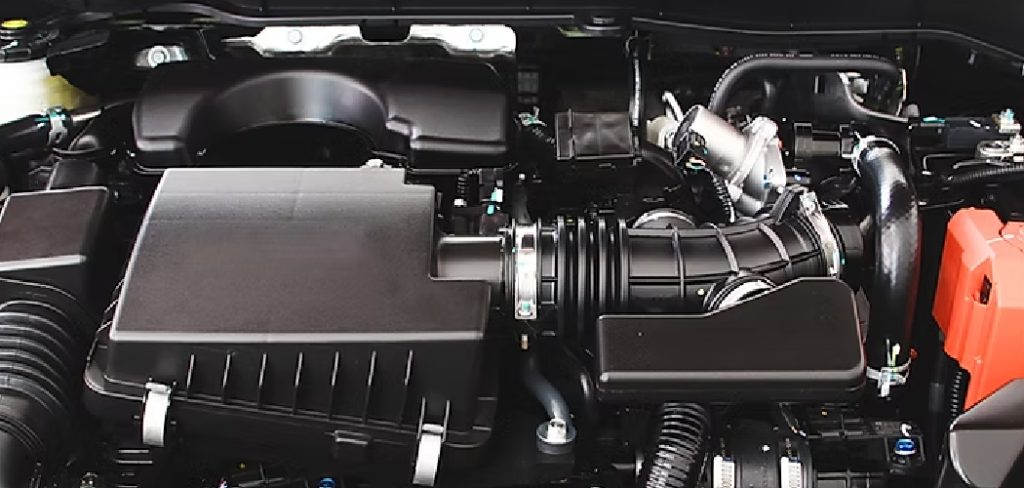
Before connecting any cables, one must understand how a hybrid car’s electrical ecosystem fundamentally differs from a standard vehicle. Hybrid cars do not rely on a single power source. They actually utilize two distinct battery systems working in tandem.
The first is a large, high-voltage traction battery pack. This massive component provides the actual motive force to the electric motors and drives the wheels. You should never interact with this high-voltage battery for jump-starting purposes. It carries a lethal amount of electrical current. It also uses specialized, highly regulated connectors that are strictly off-limits to home mechanics.
The second power source is a smaller, traditional 12-volt battery. This unit looks and functions similarly to what you find in any regular gas-powered car. This smaller battery powers the vehicle’s secondary electronics, cabin lights, and the computer system that manages the high-voltage traction pack. When you attempt to jump a car with a hybrid, you will only ever interface with this 12-volt system or the dedicated jump-start terminals located under the hood.
Necessary Tools and Materials
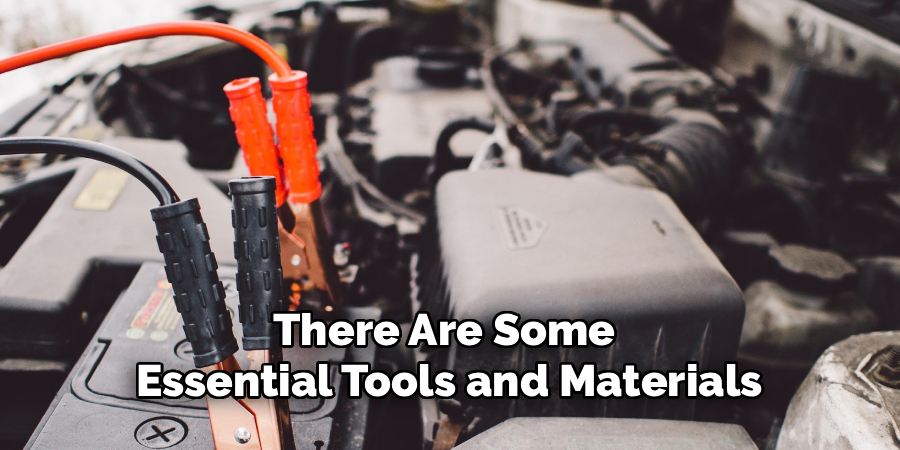
When it comes to maintaining and repairing hybrid vehicles, there are some essential tools and materials that will come in handy. These include:
- OBD-II Scanner
- High Voltage Gloves
- High Voltage Multimeter
- Insulation Displacement Wire Connector Tool
- Hybrid Battery Charger/Discharger
- Inverter System Analyzer
Preliminary Safety Precautions
Safety must dictate every physical action you take when handling electrical currents. Ensure both vehicles are parked on a flat, highly stable surface. Their parking brakes must be firmly engaged. The cars should sit close enough for the jumper cables to reach comfortably without stretching. They must never physically touch each other.
Turn off the ignition in both cars. Remove the keys entirely. Switch off all secondary electrical accessories, including headlights, radios, and climate control fans. This reduces the electrical load and prevents sudden voltage spikes. Take a moment to visually inspect the batteries in both vehicles. Leaking fluid, severe casing swelling, or visible cracks strongly indicate that a jump-start should not be attempted. Call for professional roadside assistance instead.
7 Steps on How to Jump a Car With a Hybrid
Step 1: Locate the 12-Volt Battery or Terminal
You must first determine exactly where to connect your cables on the hybrid vehicle. Many hybrid manufacturers place the 12-volt battery in the trunk or under the rear passenger seats to optimize weight distribution. You will likely need to consult the owner’s manual to find its exact location.
If the battery sits hidden in the rear cabin, the manufacturer usually provides a dedicated positive jump-start terminal under the hood. This terminal typically lives inside the main fuse box, shielded by a red plastic cap. Locating this specific connection point matters immensely. It is engineered to safely handle electrical transfers without overloading sensitive computer inverters.
Step 2: Position the Vehicles and Power Down
Maneuver the hybrid vehicle to face the car with the dead battery. Ensure the physical distance between the connection points remains shorter than your jumper cables. You do not want heavy cables pulling taut or slipping off mid-transfer.
Double-check that both vehicles are completely powered down. The hybrid must not be in “Ready” mode. If left active, the internal combustion engine could unexpectedly fire up while your hands are deep inside the engine bay. Verifying that all electronics are switched off prevents electrical arcs.
Step 3: Connect the Red Positive Cable to the Dead Car
Untangle your jumper cables completely. Keep the red and black clamps separated in your hands. Take one of the red clamps, representing the positive connection, and attach it directly to the positive terminal of the dead battery.
This positive terminal usually bears a plus (+) symbol. It might also have a plastic cover shielding the metal. Wiggle the clamp slightly after attaching it. This friction helps the metal teeth bite into the lead terminal, establishing a secure electrical pathway.
Step 4: Connect the Red Positive Cable to the Hybrid
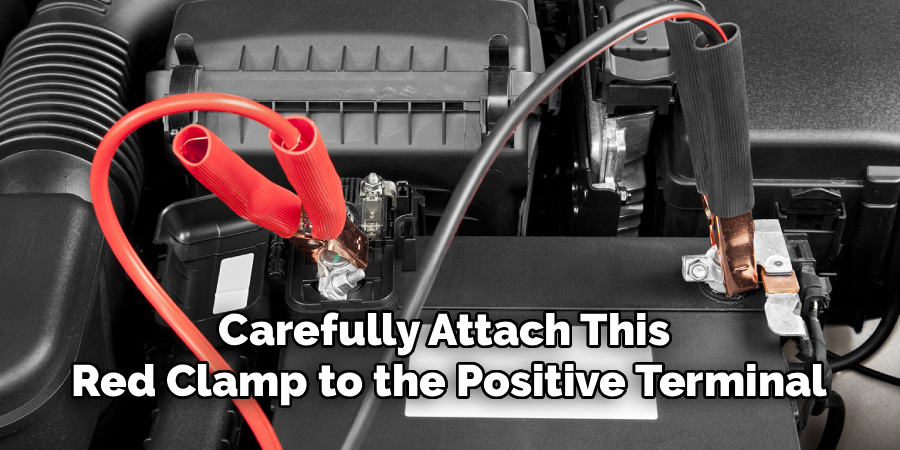
Take the other end of the red positive cable and move to the hybrid vehicle. Carefully attach this red clamp to the positive terminal of the hybrid’s 12-volt battery. If you are using the under-hood area, attach it to the dedicated positive jump-start terminal.
Ensure the clamp sits firmly. Keep the thick cables routed away from moving engine parts like serpentine belts or cooling fans. You must not let this red clamp touch any bare metal on the car’s body. Doing so immediately creates a short circuit that could severely damage the hybrid’s wiring harness.
Step 5: Connect the Black Negative Cable to the Hybrid
With both positive connections locked in place, pick up one of the black clamps. Attach it to the negative terminal of the hybrid vehicle’s 12-volt battery. The negative terminal typically displays a minus (-) symbol.
If you are using the under-hood jump terminals, look for a specific unpainted metal stud nearby. Manufacturers often designate this for the negative connection. Secure this clamp tightly. This negative connection completes the electrical circuit, providing the grounding necessary to move power between the two machines safely.
Step 6: Attach the Black Negative Cable to a Ground Point
Carry the final black negative clamp over to the vehicle with the dead battery. Do not attach this clamp to the negative terminal of the dead battery itself. Doing so can create a spark directly over the battery casing, potentially igniting venting gases.
Find a solid, unpainted metal surface on the engine block instead. A heavy metal bracket or a clean bolt makes an excellent grounding point. Attach the clamp firmly to this surface to safely ground the connection.
Step 7: Start the Hybrid, Then the Dead Vehicle
Start the hybrid vehicle first. Let it run for about five minutes. The hybrid’s internal computers will automatically manage the 12-volt charging system. Power will flow through the cables to slowly build a surface charge in the dead battery.
Attempt to start the dead vehicle. If the engine turns over and idles, leave both vehicles connected for a few more minutes to stabilize the system voltage. Finally, disconnect the jumper cables in the exact reverse order. Remove the grounded black clamp, the hybrid’s black clamp, the hybrid’s red clamp, and finally the dead car’s red clamp.
Following these steps on how to jump a car with a hybrid vehicle will ensure a safe and successful jump start. It is important to remember that hybrid vehicles may have different procedures or requirements for jump-starting, so it is always best to check the owner’s manual before attempting to do so.
Troubleshooting and Evaluating Common Issues
Sometimes the dead car refuses to start despite your careful efforts. A poor connection at the battery terminals often causes this failure. Dirt, loose clamps, or heavy corrosion act as physical barriers to electrical flow. Try wiggling the clamps to bite deeper into the metal.
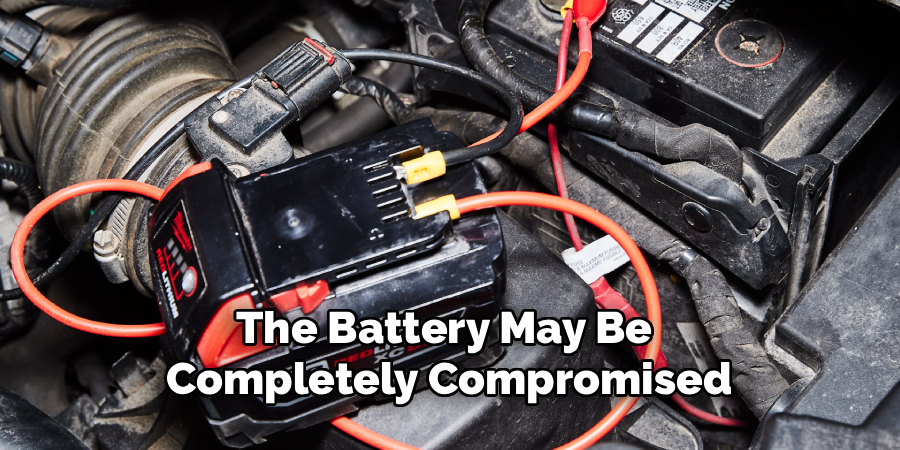
If the dead car merely clicks, the battery might be too deeply discharged. It likely requires more time to build a usable charge. Leave the hybrid running for an additional ten minutes. If it still fails, the battery may be completely compromised. This symptom might also indicate a deeper mechanical issue with the starter motor.
Mistakes That Lead to Catastrophic Failure
Reversing the polarity stands as the most dangerous error one can make. Connecting a red cable to a negative terminal will cause immediate damage to the electrical systems of both vehicles. It could potentially trigger a battery explosion.
Allowing the metal clamps of the jumper cables to touch each other while connected to a power source is another frequent mistake. This creates massive sparks and instantly shorts out electrical fuses. Always verify your connections twice before turning any keys.
When to Avoid Jump-Starting Entirely?
Certain scenarios demand that you step away and call a tow truck. Frayed jumper wires or exposed copper pose a severe fire hazard. A physically damaged or leaking battery is a chemical hazard that should never be subjected to electrical current.
If you are working in sub-zero freezing weather and suspect the liquid inside the dead battery has frozen solid, you must not jump-start it. Applying electrical current to a frozen battery can cause the casing to violently rupture. The battery requires professional thawing first.
Ongoing Maintenance for Hybrid Batteries
Your hybrid’s 12-volt battery requires basic ongoing maintenance to remain reliable. Driving the vehicle regularly allows the high-voltage system to continuously charge the smaller 12-volt battery. Leaving the car sitting for weeks at a time will slowly drain the 12-volt system to empty.
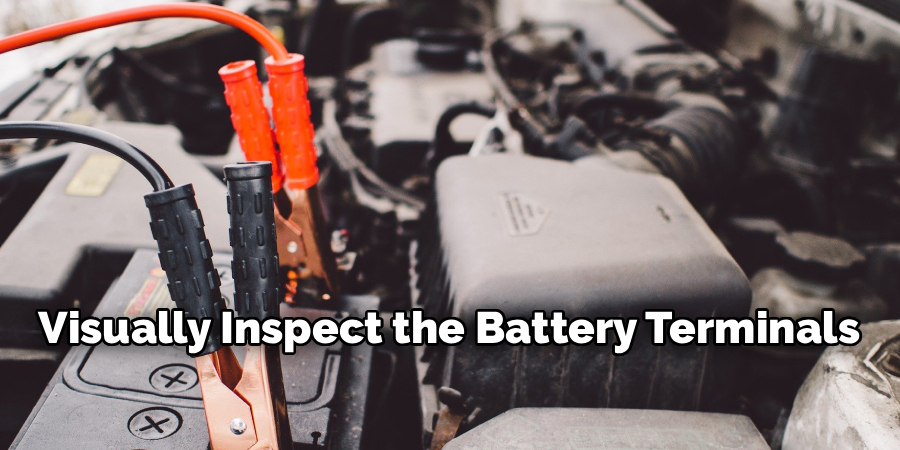
Visually inspect the battery terminals every few months. Look for signs of white or blue powdery corrosion. Cleaning this oxidation off with a simple mixture of baking soda and water maintains strong electrical connections. This small act of maintenance appears to prolong the lifespan of the battery significantly.
Conclusion
Successfully jump-starting a vehicle using a hybrid does not have to be an overwhelming process. By recognizing the critical differences between the high-voltage and 12-volt systems, you can resolve a dead battery issue safely.
Take your time, consult the owner’s manual for specific terminal locations, and approach the task with analytical care. Respecting the electrical boundaries of modern vehicles ensures you can get back on the road without causing thousands of dollars in unintended damage. Thanks for reading this guide on how to jump a car with a hybrid.

About
Ora Hayes is a distinguished figure in the world of DIY Thecarfixes, with over a decade of expertise in automotive diagnostics and high-performance maintenance. Her professional focus lies in merging mechanical precision with modern digital tools, fostering repair solutions that are both cost-effective and highly reliable. As the author of Thecarfixes, Ora Hayes delves into the art and science of automotive restoration, inspiring car owners and hobbyist mechanics alike.
Education
RMIT University (Melbourne, Australia) Associate Degree in Automotive Engineering — Focus on vehicle dynamics, industry-driven repair protocols, and advanced diagnostics. Gained hands-on experience with traditional mechanical tools and modern ECU remapping software.
Nottingham Trent University (United Kingdom) Bachelor’s in Mechanical Design and Automotive Engineering (Honors) — Specialized in automotive systems with a focus on blending technical engineering with everyday usability. Participated in industry projects, working with leading automotive manufacturers to gain real-world insights into vehicle longevity.
Publications and Impact
In Thecarfixes, Ora Hayes shares her insights on troubleshooting complex engine issues, material durability, and strategies for efficient garage setups. Her writing bridges the gap between professional mechanic knowledge and the home enthusiast’s needs, making it a must-read for both everyday drivers and seasoned gearheads.