There are few thrills for a car enthusiast quite like feeling the engine shove you back in your seat—the sensation when torque does its work. For many, chasing more torque isn’t just about numbers on a spec sheet. It’s about waking up an engine so the car feels livelier, more willing, and—let’s be honest—a bit more fun, whether you’re stuck in traffic, merging onto a highway, or towing a trailer on a steep grade.
So, what’s really going on under the hood and how do you coax more of that seat-of-the-pants shove from your car? This guide on how to increase torque in a car is less about hollow promises and more about concrete paths forward—modifications that, when done thoughtfully, may very well make your daily driver or weekend toy far more engaging.
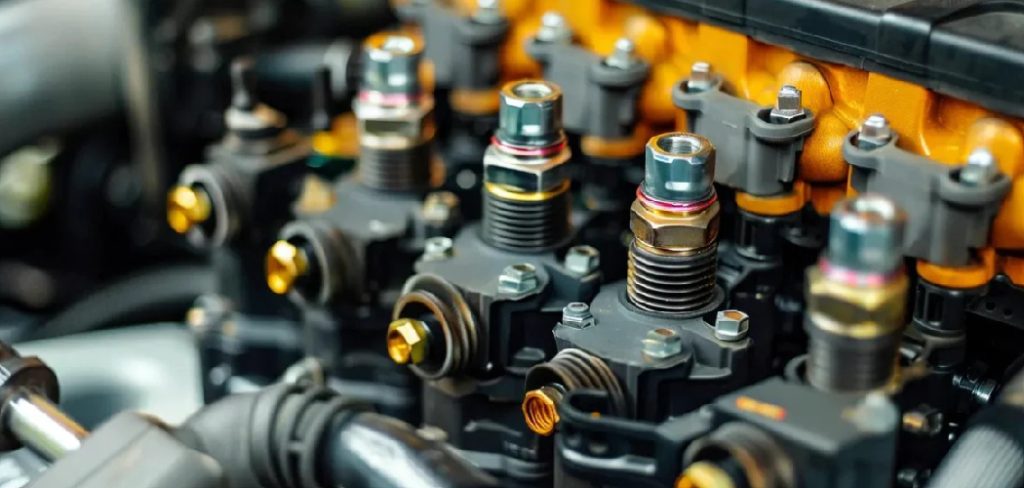
Understanding Torque in Engines
Torque, the often-misunderstood cousin of horsepower, has the rather humble task of twisting your car’s wheels, propelling you and your passengers along. It matters less how fast you can eventually go (that’s horsepower’s job) and more how quickly you get up to speed. This is why, for those stoplight launches or hauling trailers, torque always finds its place at the top of the conversation.
Engines build torque through old-fashioned physics—expanding gases pushing down hard on pistons, which spin the crankshaft. But there’s no magic formula: improving how much air and fuel get in, how quickly exhaust goes out, and how precisely everything fires makes a noticeable difference. Sometimes, chasing more torque means not just swapping parts, but rethinking the whole balance of air, fuel, and timing.
7 Realistic Steps on How to Increase Torque in a Car
Step1. Cold Air Intake: A Simple Swap with Immediate Results?
Much is made of cold air intakes in car circles—and with some justification. Factory systems tend to err on the side of muffling noise rather than performance. By rerouting cooler, denser outside air directly into your engine, you might notice a brisker throttle response, especially at lower speeds. This isn’t wizardry—the science is straightforward: cooler air packs more oxygen, and more oxygen lets the engine burn more fuel per stroke. There’s some debate over the size of these gains; they often feel more pronounced than they look on paper. Still, for most people, installing a cold air intake is quick, satisfying, and can be handled in a driveway over a lazy afternoon.
Step 2. High-Flow Exhaust Systems: Breathing Out Matters, Too
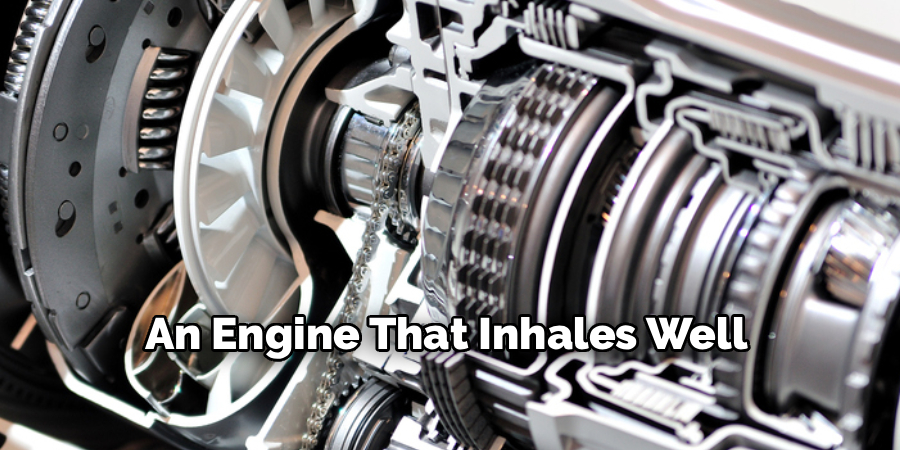
An engine that inhales well but can’t exhale is working with one hand tied behind its back. Most factory exhausts are, frankly, restrictive—thin pipes and baffled mufflers designed to hush everything down. Upgrading to wider pipes and a less restrictive muffler lets spent gases escape with less fuss, so each fresh gulp of air comes in quicker. The direct payoff often shows up as better torque, mainly at low- and mid-range speeds. Will it make your car sound throatier? Almost certainly. Is the extra noise worth it? That depends on your tastes (or your neighbors’).
Step 3. ECU Tuning: Letting the Computer Loosen Up
The modern car’s brain—the Engine Control Unit (ECU)—runs a careful balancing act, prioritizing emissions and mileage, sometimes at performance’s expense. Most vehicles leave the factory with surprisingly conservative tuning. A professional ECU tune, or even a plug-and-play flash on certain models, can liberate extra torque mostly by tweaking ignition timing and fuel delivery. With turbocharged motors especially, a tune can unlock chunks of low-end power you probably never realized were there.
But, a word of caution: while plenty of off-the-shelf tunes exist, not all are created equal. It’s rarely as risk-free as advertisements make it out to be. A poor-quality map risks running the engine too hot or lean, which can lead to expensive problems down the road. Proceed with care and consider professional help.
Step 4. Performance Camshafts: For Those Willing to Get Their Hands Dirty
Change the camshaft, and you change the engine’s character entirely. The cam decides when valves open and close—stock cams are typically tuned for smooth idling and efficiency, not outright power. Installing a cam with a more aggressive profile can keep valves open longer, allowing more air and fuel in and extracting more torque, especially in the midrange.
This isn’t for the faint-hearted. Cam swaps mean disassembling part of the engine and can introduce quirks in daily driving—rougher idle, loss of low-speed manners, or potentially more noise. But for those chasing every drop of power, it’s a classic move.
Step 5. Forced Induction: More Air, More Power
Nothing changes an engine’s behavior quite like bolting on a supercharger or turbo. By compressing intake air, forced induction lets your motor burn far more fuel per cycle, which can result in torque figures that transform a car, especially lower in the revs. Superchargers offer immediacy—press the throttle, and you’re off. Turbos, on the other hand, rely on exhaust gases but can make big, punchy surges of torque once spinning.
Of course, the reality isn’t as simple as “add boost, go fast.” Extra air demands extra fuel, and both require upgraded components—injectors, pumps, and proper engine management—to avoid catastrophe. The price tag for doing this right is not trivial. But the results, when done well, speak for themselves.
Step 6. Fuel Delivery Upgrades: Keep Up or Fall Behind
Air isn’t all that matters. As soon as you start letting more into the engine, the fuel system must keep pace. If it can’t, the mixture runs lean, risking engine damage and sapping power. Upgrading injectors or fitting a higher-flow fuel pump can be essential as modifications pile up. It’s not glamorous work, but without it, the rest is useless—and sometimes catastrophic.
Step 7. Weight Reduction: The Forgotten Shortcut
Strictly speaking, stripping weight from your car doesn’t increase torque. And yet, the sensation—how eagerly the car surges forward—is much the same as adding a power bump. Lighter wheels, swapped-out body panels, and removing non-essentials like the spare tire shave pounds you never miss until they’re gone. Fewer pounds mean every foot-pound of torque does more real work, producing that eager, responsive feeling enthusiasts chase.
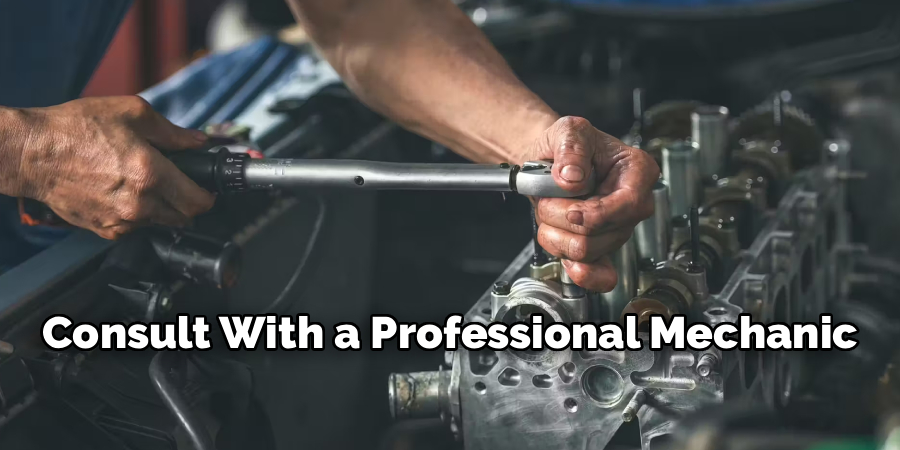
Following these steps on how to increase torque in a car, you will not only enhance the performance of your vehicle but also improve its overall handling and driving experience. However, it’s important to keep in mind that making modifications to your car can also have an impact on its warranty and insurance coverage. Make sure to consult with a professional mechanic or do thorough research before making any significant changes to your car.
Tire and Drivetrain Considerations: Don’t Let It All Go Up in Smoke
All the torque in the world means little if your tires can’t translate it to the ground. Put down serious power on skinny, worn-out rubber and you’re likely to be greeted by plumes of smoke and not much forward progress. Upgrading to grippier tires is, in many cases, a necessary companion to any real torque bump.
Then there’s the drivetrain: clutches, torque converters, axles, differentials. Start increasing power and these components can become the weakest link. Overlook them, and you’ll be left stranded with broken bits—a reality too many learn the hard way.
Pitfalls (and How to Dodge Them)
A common trap: bolting on shiny performance parts with no supporting tune. The result? Either no gain at all or, worse, a compromised engine. Regular maintenance should go hand-in-hand with modification; neglecting it is a sure way to watch hard-won torque evaporate—or, in bad cases, lead to catastrophic failure.
And it’s worth saying: beef up your suspension and brakes. Power without control is a short road to regrets.
Legal and Warranty Realities
Here’s where optimism meets hard reality. Every state, city, and country has its rules—many changes that boost torque also bump exhaust emissions or noise, landing your car squarely outside what’s legal for the road.
Catalytic converters, for instance, cannot just be deleted without risking a failed inspection, hefty fine, or both. And when it comes to warranties, assume that most dealers will deny claims if they can draw a line from your modifications to a failure.
Professional or DIY? Know When to Put Down the Wrench
Simple upgrades—intakes, exhausts—are, for many, the gateway drug to wrenching. Move beyond those, and things get complicated quickly. Installing cams, beefing up fuel systems, or adding forced induction isn’t for amateurs; precision is critical.
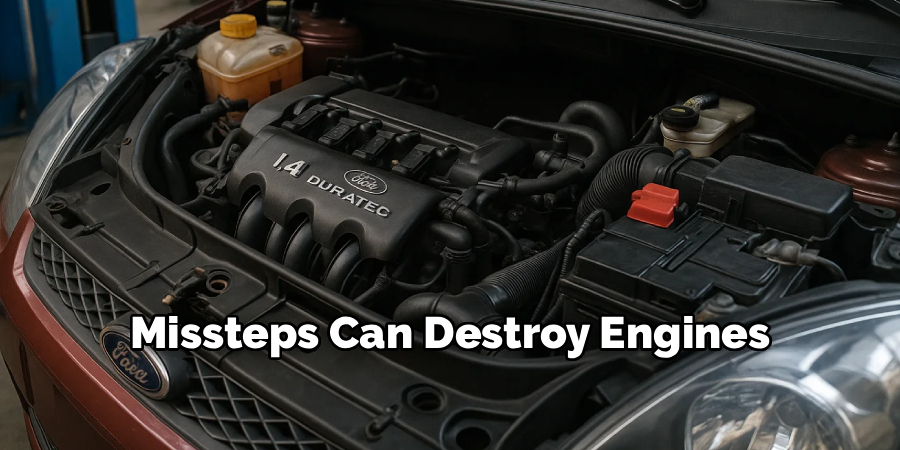
Missteps can destroy engines. Sometimes, putting your pride aside and seeking a specialist with a dyno and years of experience is not just wise, but essential. Think of it less as an expense, more as insurance against expensive mistakes.
Frequently Asked Questions
Q1: Does Premium Gas Increase Torque?
Unless your car specifically calls for premium, the answer is generally no. High-octane fuel allows tuned or high-compression engines to advance timing aggressively without knocking, which can help achieve an engine’s rated torque. In a standard engine, though, premium is usually wasted.
Q2: Can a Better Air Filter Make a Difference?
A less-restrictive filter may nudge throttle response for some cars—particularly if the old one is clogged. Gains in torque alone are rarely huge, but when part of a broader airflow upgrade, the overall effect can be noticeable, especially for highly tuned engines.
Q3: Why Does a Car Lose Its Torque as It Ages?
It’s a question that creeps up sooner or later. Usual culprits include accumulated carbon deposits, tired spark plugs, and blocked catalytic converters. Sometimes, tiny vacuum leaks or failing sensors will quietly rob your engine of its spark. Regular cleaning and maintenance remain the best defense.
Conclusion
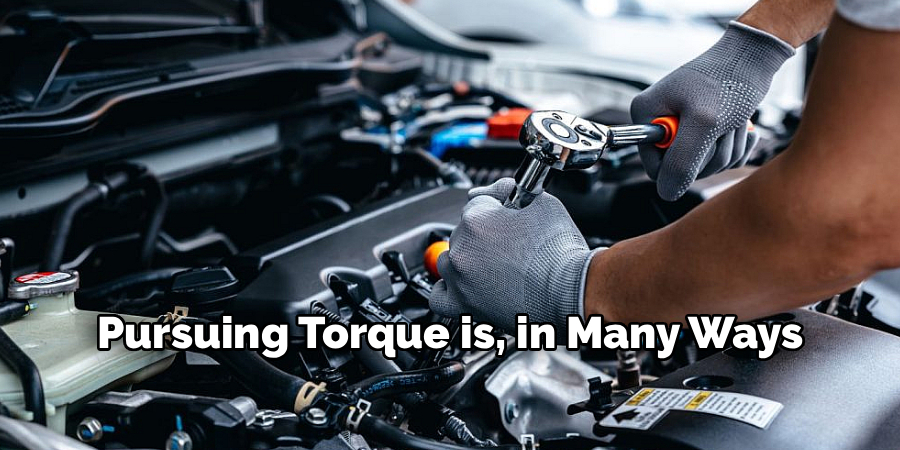
Pursuing torque is, in many ways, a journey of discovery—equal parts mechanical, philosophical, and occasionally, financial. Each change, whether modest or dramatic, shifts the dynamic of your car. Start simple: intake, exhaust, and an ECU tune if you’re feeling bold. See how the car responds, then work outward. Upgraded tires and carefully considered drivetrain tweaks can make a small torque increase feel truly transformative.
To those setting out, expect a bit of trial and error, the occasional frustration, and—every so often—a burst of pure, unfiltered satisfaction as your car leaps forward in a way that, moments before, seemed impossible. Thanks for reading this guide on how to increase torque in a car.

About
Ora Hayes is a distinguished figure in the world of DIY Thecarfixes, with over a decade of expertise in automotive diagnostics and high-performance maintenance. Her professional focus lies in merging mechanical precision with modern digital tools, fostering repair solutions that are both cost-effective and highly reliable. As the author of Thecarfixes, Ora Hayes delves into the art and science of automotive restoration, inspiring car owners and hobbyist mechanics alike.
Education
RMIT University (Melbourne, Australia) Associate Degree in Automotive Engineering — Focus on vehicle dynamics, industry-driven repair protocols, and advanced diagnostics. Gained hands-on experience with traditional mechanical tools and modern ECU remapping software.
Nottingham Trent University (United Kingdom) Bachelor’s in Mechanical Design and Automotive Engineering (Honors) — Specialized in automotive systems with a focus on blending technical engineering with everyday usability. Participated in industry projects, working with leading automotive manufacturers to gain real-world insights into vehicle longevity.
Publications and Impact
In Thecarfixes, Ora Hayes shares her insights on troubleshooting complex engine issues, material durability, and strategies for efficient garage setups. Her writing bridges the gap between professional mechanic knowledge and the home enthusiast’s needs, making it a must-read for both everyday drivers and seasoned gearheads.