Modern automotive engineering increasingly attempts to isolate the driver from the physical realities of the highway. Vehicles now bristle with sensors designed to modulate speed and maintain following distances automatically. This creeping autonomy often frustrates individuals who prefer direct, tactile command over their vehicle’s momentum.
Finding yourself suddenly decelerating because a car merged half a mile ahead can be jarring. This hyper-conservative programming could indicate a mismatch between algorithmic caution and actual human driving patterns. Knowing exactly how to turn adaptive cruise control off restores your fundamental authority over the throttle.
This guide explores the mechanical philosophy behind these automated systems and explains the exact methods for bypassing them. We will examine steering wheel interfaces, digital infotainment menus, and brand-specific quirks. Reclaiming manual speed regulation might just make your daily commute significantly more predictable.
Understanding The Mechanics Of Automated Following Distances
Automakers market automated speed regulation as a primary safety feature for tired commuters. The system relies on a continuous stream of environmental data to calculate safe stopping parameters. This data network might appear highly sophisticated at first glance.
These distant calculations do not always reflect the nuanced reality of heavy traffic. The computer simply acts on raw sensor input without anticipating human unpredictability. When the hardware misinterprets a shadow or a slight curve, the vehicle reacts defensively.
The Role Of Radar And Camera Sensors
A forward-facing radar module typically sits hidden behind the vehicle’s front grille or emblem. This unit bounces radio waves off preceding objects to determine their exact speed and proximity. Complementary cameras mounted near the rearview mirror attempt to identify lane markings and vehicle shapes.
When these two data streams align, the primary engine control module modulates the throttle and brakes accordingly. However, optical sensors struggle heavily with direct sunlight glare and heavy precipitation. A temporarily blinded camera frequently commands the system to shut down entirely or brake unexpectedly.
Why Drivers Seek Manual Control
Relinquishing control to a digital processor requires immense psychological trust. Many experienced drivers find that the system leaves a massive, unnatural gap between vehicles. This massive following distance practically invites aggressive drivers to cut into your lane.
Every time another car merges into that gap, your vehicle slams on the brakes to re-establish the distance. This constant, jerky deceleration creates a nauseating ride for passengers. Bypassing the adaptive function could provide a much smoother experience on congested interstate highways.
The Standard Process: How To Turn Adaptive Cruise Control Off
Disabling the automated following feature requires navigating a surprisingly varied landscape of interior ergonomics. Automakers rarely agree on a universal standard for placing these specific controls. You must rely on careful observation to find the correct physical or digital switch.
The process usually involves telling the computer to ignore the radar data while retaining basic throttle holding. This effectively downgrades the complex system into a traditional, “dumb” cruise control setup. Proceeding methodically helps you avoid shutting the entire cruise system down by mistake.
Navigating Steering Wheel Controls
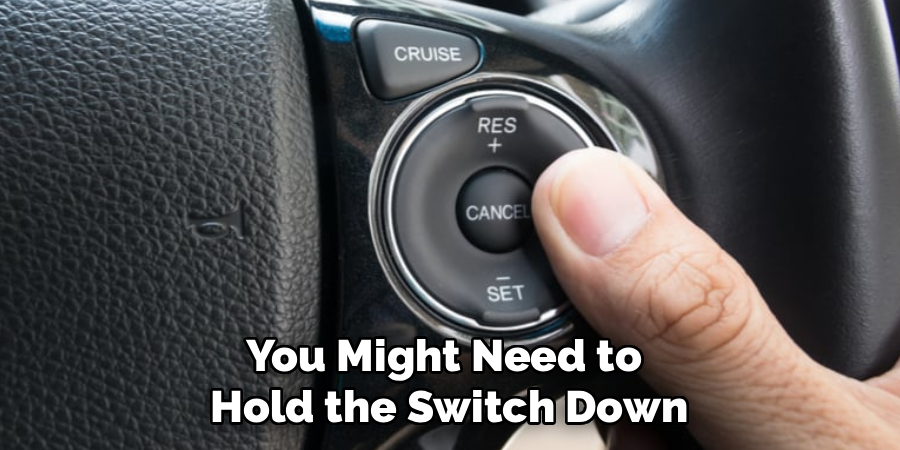
Direct your attention to the cluster of buttons situated on the right side of your steering wheel. You will typically find a button displaying an icon of a vehicle flanked by horizontal lines. These lines represent the adjustable distance intervals separating you from the car ahead.
In many modern vehicles, pressing and holding this distance button alters the system’s operational state. You might need to hold the switch down for two to three seconds. A notification should briefly flash across your digital instrument cluster confirming the transition to standard cruise.
Adjusting Settings Through The Infotainment Menu
Certain manufacturers bury their advanced driver assistance settings deep within digital touchscreens. This engineering choice forces you to navigate complex menus while the vehicle is parked. You generally cannot alter these core safety parameters while driving at highway speeds.
Tap the main settings icon on your central display and look for a sub-menu labeled “Driver Assistance” or “Active Safety.” Scroll down until you find the adaptive cruise control toggle switch. Selecting the standard cruise option alters the default behavior permanently until you change it back.
Brand-Specific Variations In Deactivation Protocols
The automotive industry lacks conformity regarding how drivers interact with active safety nets. A technique that works flawlessly in a German sedan might completely fail in a Japanese crossover. Identifying your manufacturer’s specific logic dictates your success.
Engineers at different companies place varying levels of importance on keeping the adaptive features active. Some brands make it incredibly simple to toggle the function off with a single physical click. Others hide the setting to actively discourage drivers from relying on manual modes.
Toyota And Lexus Systems
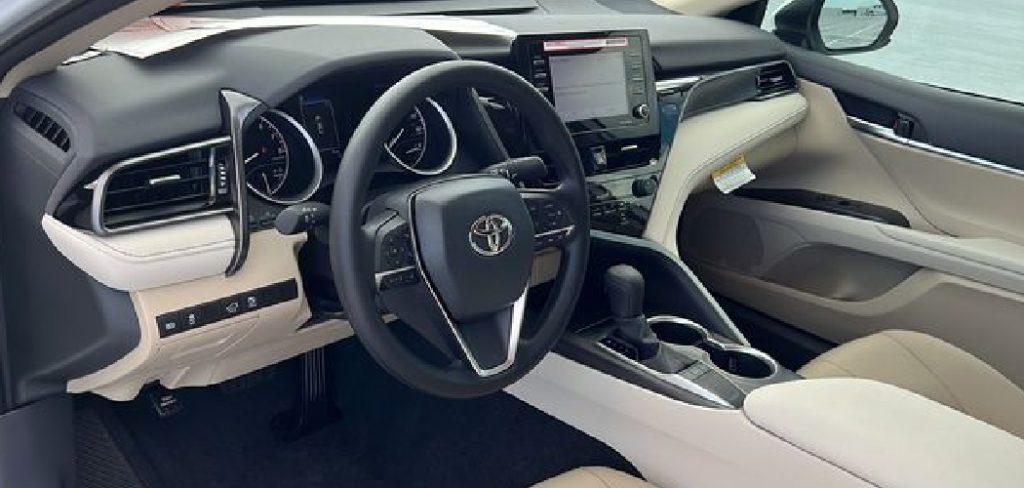
Toyota and its luxury counterpart approach this feature with a relatively traditional, driver-friendly mindset. Most of their models utilize a dedicated stalk protruding from the lower right side of the steering column. Pressing the button on the end of the stalk turns the entire system on.
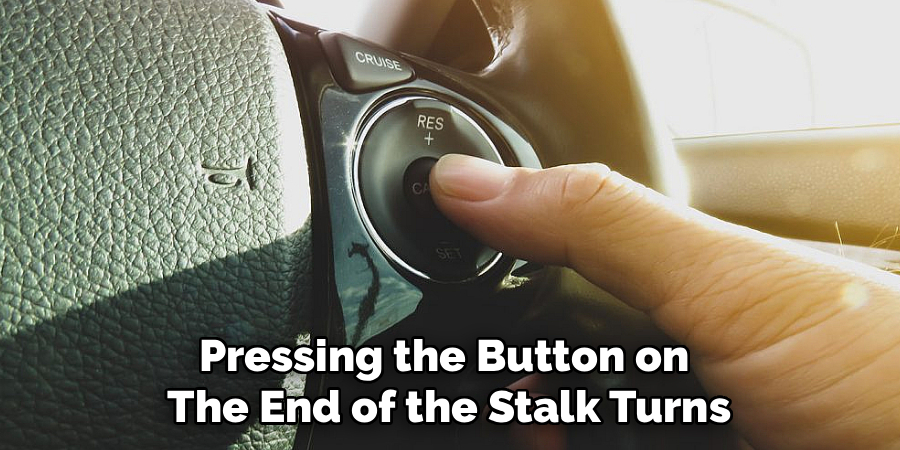
To bypass the radar entirely, you must push the stalk forward and hold it there for roughly two seconds. The dashboard icon will physically change from a radar symbol to a basic speedometer icon. This visual shift confirms you are now using conventional speed holding.
Honda Sensing Quirks
Honda integrates their safety suite deeply into the steering wheel button architecture. You must first press the “Main” button to activate the underlying software network. Selecting the traditional mode requires a bit of secondary maneuvering.
You typically press and hold the distance interval button located near the cancel switch. After a brief delay, the digital dashboard alerts you that “Cruise Mode Selected.” This phrasing indicates the camera and radar modules are temporarily ignored by the throttle body.
Ford And Domestic Configurations
American manufacturers frequently rely on the central infotainment screen to manage these preferences. In newer Ford models running the SYNC interface, the steering wheel buttons only adjust the gap distance. They do not allow you to disable the radar mapping on the fly.
You must navigate to the vehicle settings menu on the center screen and select “Cruise Control.” From there, you can physically toggle between “Adaptive,” “Normal,” and sometimes an “Intelligent” mode that reads speed limit signs. Choosing the normal setting strips away all automated braking interventions.
The Psychological Impact Of Surrendering Speed Control
Handing the reins of a heavy machine over to a silicon chip shifts the cognitive load of driving. You transition from an active participant to a passive supervisor monitoring a digital system. This psychological shift appears to induce a strange type of mental fatigue over long distances.
When the car drives itself, your attention naturally begins to wander away from the asphalt. You might catch yourself staring at the surrounding scenery rather than the brake lights ahead. Recognizing this dangerous mental drift sometimes prompts drivers to disable the automation entirely.
Trust Versus Predictability On The Highway
Human beings crave predictability when traveling at seventy miles per hour. We learn to anticipate traffic flow by watching the body language of other cars several hundred yards away. A computer only reacts to the strict, immediate geometry of the vehicle directly in front of its bumper.
This rigid programming creates a deeply unpredictable ride quality. The car might ignore a visible traffic jam ahead simply because the immediate lead car hasn’t applied its brakes yet. Taking manual control restores your ability to coast gently toward a distant slowdown.
Phantom Braking And False Positives
Perhaps the most terrifying flaw in modern radar systems is the phenomenon known as phantom braking. The vehicle suddenly detects a nonexistent obstacle and initiates emergency deceleration without warning. This violent braking action could easily cause a severe rear-end collision with a distracted driver behind you.
Phantom braking frequently occurs when navigating curving overpasses or driving alongside large commercial trucks. The radar waves bounce erratically off concrete barriers, confusing the central processor. Disabling the adaptive function eliminates this unpredictable, dangerous algorithmic glitch.
When Standard Cruise Control Offers Superior Utility
Certain environmental conditions expose the glaring weaknesses of automated driving aids. The sensors require clear sightlines and predictable topography to function safely. When nature obscures these pathways, analog control proves vastly superior.
Digital systems lack the capacity for human intuition and situational context. They cannot determine if a puddle hides a deep pothole or if a patch of asphalt looks icy. Relying on basic speed holding allows you to navigate these nuanced environments with appropriate caution.
Heavy Precipitation And Sensor Blindness
Torrential rain and thick snowfall completely blind the delicate optical cameras mounted near your rearview mirror. Mud and road salt quickly coat the front radar dome, blocking the radio frequencies entirely. When the sensors lose their vision, the vehicle essentially goes blind.
Most vehicles will automatically disable the adaptive system and display a “Sensor Blocked” warning during bad weather. However, standard cruise control remains available since it requires no external data. It simply holds the throttle open, allowing you to maintain a steady speed while focusing entirely on steering through the storm.
Navigating Complex Traffic Topographies
Undulating mountain roads present a unique challenge for automated following systems. As you crest a steep hill, the radar beam shoots straight up into the empty sky, losing track of the lead vehicle. Your car might suddenly accelerate toward the crest, unaware that traffic has stopped just out of sight.
Similarly, tight highway curves cause the radar to lock onto vehicles in adjacent lanes. Your car will suddenly brake because it mistakenly believes the semi-truck next to you is actually in your path. Traditional cruise control ignores these spatial geometries entirely, providing a completely smooth, uninterrupted climb.
Understanding The Limitations Of Analog Systems
Reverting to traditional speed management requires a conscious recalibration of your driving habits. You must remember that the vehicle will no longer save you from a rear-end collision if traffic halts abruptly. The digital safety net has been purposely deactivated.
This analog mode demands your undivided, continuous attention. You are entirely responsible for applying the brakes and managing the distance to the bumper ahead. Failing to respect this mechanical reality invites tragic consequences.
The Absence Of Emergency Braking
Bypassing the adaptive radar usually disengages the automatic emergency braking algorithms tied to the cruise network. The car will happily plow into a stationary object if you do not physically depress the brake pedal. You must maintain a heightened state of visual awareness.
Drivers accustomed to autonomous features often develop a slight delay in their physical reaction times. They subconsciously expect the vehicle to initiate the braking sequence first. You must actively break this psychological habit the moment you switch the radar off.
Managing Fatigue On Long Journeys
Traditional cruise control excels at reducing physical leg fatigue on deserted stretches of interstate. It removes the need to constantly modulate ankle pressure against the gas pedal. However, it does nothing to alleviate the mental strain of monitoring surrounding traffic.
You must remain hyper-vigilant regarding your closing speed on slower vehicles. Constantly tapping the brakes and resetting the analog cruise speed can become quite tedious in medium congestion. You might find that alternating between the two systems, depending on the immediate traffic density, yields the most comfortable journey.
Conclusion
Automotive technology should serve to enhance the driving experience rather than complicate it. While automated following systems offer undeniable convenience during light traffic, their hyper-conservative programming often becomes a hindrance in dense, unpredictable environments. Taking the time to understand the digital architecture of your specific vehicle empowers you to dictate exactly how it behaves on the road.
We have explored the physical limitations of radar sensors and the psychological relief of maintaining manual momentum. Whether you manipulate a steering wheel stalk or dive into a complex touchscreen menu, reclaiming your throttle ensures a significantly smoother ride. Understanding how to turn adaptive cruise control off allows you to adapt to changing weather conditions and erratic traffic patterns with quiet, human confidence.

About
Ora Hayes is a distinguished figure in the world of DIY Thecarfixes, with over a decade of expertise in automotive diagnostics and high-performance maintenance. Her professional focus lies in merging mechanical precision with modern digital tools, fostering repair solutions that are both cost-effective and highly reliable. As the author of Thecarfixes, Ora Hayes delves into the art and science of automotive restoration, inspiring car owners and hobbyist mechanics alike.
Education
RMIT University (Melbourne, Australia) Associate Degree in Automotive Engineering — Focus on vehicle dynamics, industry-driven repair protocols, and advanced diagnostics. Gained hands-on experience with traditional mechanical tools and modern ECU remapping software.
Nottingham Trent University (United Kingdom) Bachelor’s in Mechanical Design and Automotive Engineering (Honors) — Specialized in automotive systems with a focus on blending technical engineering with everyday usability. Participated in industry projects, working with leading automotive manufacturers to gain real-world insights into vehicle longevity.
Publications and Impact
In Thecarfixes, Ora Hayes shares her insights on troubleshooting complex engine issues, material durability, and strategies for efficient garage setups. Her writing bridges the gap between professional mechanic knowledge and the home enthusiast’s needs, making it a must-read for both everyday drivers and seasoned gearheads.