Maintaining a pristine vehicle interior often feels like an endless battle against daily environmental friction. We slide in and out of our cabins, bringing abrasive atmospheric dust directly onto our upholstery. This constant physical contact appears to accelerate surface wear remarkably fast.
Many drivers simply assume that synthetic materials require the exact same maintenance routines as traditional organic hide. Such an assumption could lead to premature cracking or strange chemical discoloration over time. Knowing exactly how to clean faux leather car seats might actually preserve your vehicle’s long-term resale value.
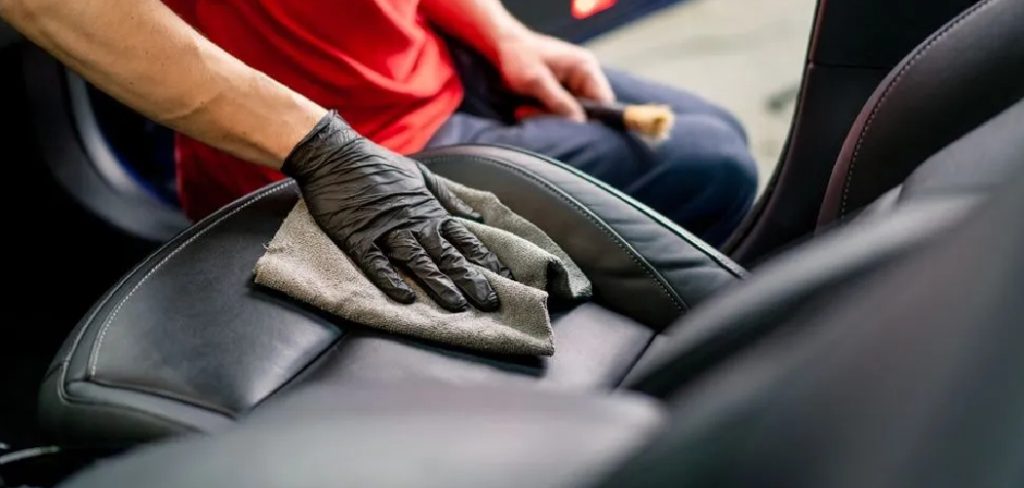
This guide explores the specific chemical nature of modern automotive seating. We will examine safe household cleaning solutions alongside proper physical agitation techniques. Approaching this chore methodically could restore your cabin without risking accidental material damage.
Understanding Faux Leather Materials
Automakers increasingly favor synthetic upholstery for its perceived cost efficiency and manufacturing consistency. Marketing departments frequently rebrand these plastic polymers as “vegan leather” to appeal to environmentally conscious buyers. This naming convention sometimes obscures the reality of what you are actually sitting on.
At a molecular level, these materials share very little with the animal hides they attempt to mimic. They are essentially manufactured textiles coated with specialized chemical resins. Treating them like living skin usually yields deeply disappointing detailing results.

Identifying Different Synthetic Grains
Vehicle manufacturers typically utilize either polyurethane or polyvinyl chloride for their seating surfaces. Polyurethane tends to feel slightly softer and flexes more naturally under human weight. Polyvinyl chloride operates as a stiffer compound that resists heavy commercial abuse somewhat better.
Both variations feature an artificial grain pattern stamped directly into the plastic during the production phase. Factories design these artificial wrinkles to mimic the organic imperfections of real skin. Unfortunately, these microscopic valleys serve as perfect reservoirs for trapping sweat and spilled beverages.
How Faux Leather Differs From Real Leather
Organic leather possesses a naturally porous cellular structure that requires continuous external hydration. It literally drinks in heavy conditioning creams to stay supple over decades of use. Synthetic seating entirely lacks this biological porosity.
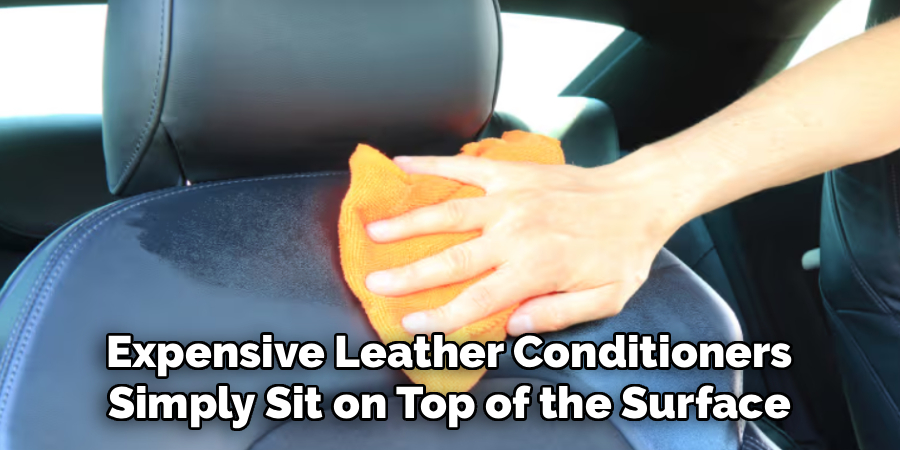
Because faux leather acts as a solid polymer shield, expensive leather conditioners simply sit on top of the surface. This creates a greasy, highly reflective film that transfers immediately onto your clothing. Your maintenance approach should probably focus entirely on surface decontamination rather than deep cellular hydration.
Sourcing The Essential Cleaning Supplies
Preparing for this detailing project does not require purchasing an arsenal of specialized automotive chemicals. You likely possess the necessary cleaning agents sitting quietly in your kitchen pantry right now. Keeping the chemical intervention simple often proves vastly safer for the artificial topcoat.
Aggressive industrial degreasers frequently strip the factory’s ultraviolet protection right off the vinyl. We want to lift the grime gently without melting the underlying plastic structure. Selecting mild household items usually provides the safest path forward.
The Vinegar And Water Solution
Creating a highly effective neutralizing spray requires only two basic household ingredients. Mix equal parts warm tap water and plain white vinegar inside a clean spray bottle. Acetic acid works wonderfully to break down alkaline stains safely.
This mildly acidic mixture dissolves hardened body oils without attacking the polyurethane binding agents. It leaves absolutely no sticky residue behind after the water evaporates. While the cabin might smell faintly like salad dressing temporarily, that distinct odor dissipates entirely within an hour.
Selecting The Right Microfiber Cloths And Brushes
Physical abrasion serves as the primary mechanism for lifting trapped dirt out of the artificial grain. You should source a dedicated interior detailing brush featuring incredibly soft synthetic bristles. Stiff nylon scrubbers could easily leave permanent microscopic scratches across your seats.
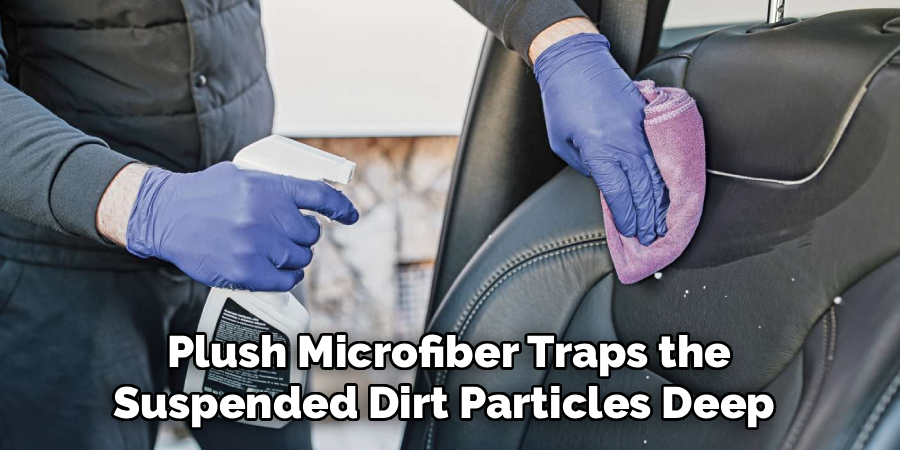
Pair this gentle brush with a stack of high-quality microfiber towels. Plush microfiber traps the suspended dirt particles deep within its fibers rather than pushing them around the seat cushion. Using standard paper towels seems ill-advised, as they frequently disintegrate and leave white lint trapped in the narrow crevices.
A Methodical Guide For: How To Clean Faux Leather Car Seats
Executing the wash phase requires a highly methodical sequence to prevent pooling water. Flooding a car seat with liquid invites moisture to seep straight through the stitched seams. Trapped water breeds mold inside the hidden foam cushions.
This step-by-step methodology minimizes the amount of fluid introduced to the cabin environment. You must work in small, manageable sections to maintain absolute control over the chemical saturation. Patience ultimately dictates the success of your interior restoration.
Step 1: Vacuuming The Seats Thoroughly
You must begin by removing all loose, abrasive debris from the upholstery. Attach a soft brush nozzle to your shop vacuum to prevent the plastic hose from scratching the delicate vinyl. Suction out the deep crevices where the backrest meets the lower cushion.
Failing to extract this dry dirt transforms your cleaning cloth into a dangerous sheet of sandpaper. Dragging microscopic sand particles across the seat will permanently dull the factory finish. A thorough vacuuming session appears to be the most vital preventative step in this entire process.
Step 2: Applying The Cleaning Solution Safely
Never spray your vinegar mixture directly onto the perforated seating surfaces. Liquid will instantly vanish down those tiny cooling holes and soak the internal heating elements. You should always mist the solution directly onto your detailing brush or microfiber towel.
Applying the chemical directly to your tools grants you complete control over the moisture transfer. The brush should feel damp, not dripping wet. This restrained application technique protects the internal electronics hidden beneath the upholstery.
Step 3: Wiping And Drying The Surface
Work the damp bristles into the faux leather using a gentle, overlapping circular motion. This light physical agitation coaxes the trapped body oils out of the stamped plastic grain. You only need to scrub a small six-inch square at a time.
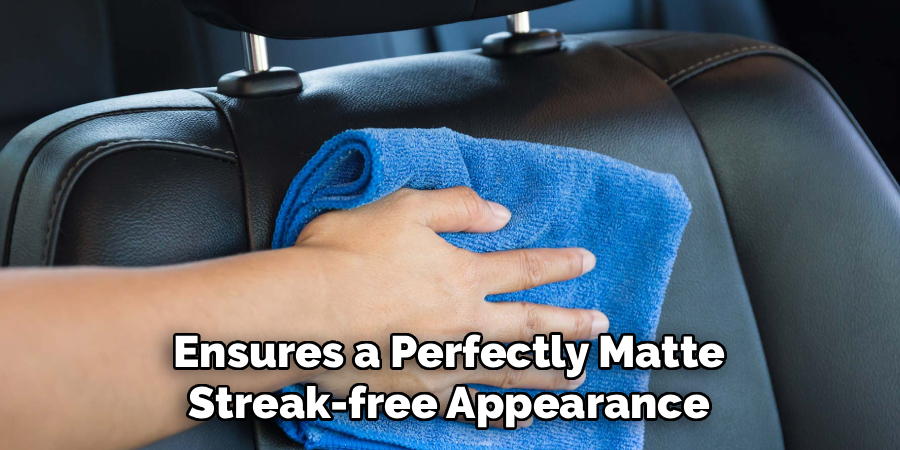
Immediately follow your brush with a dry, clean microfiber towel to wipe away the suspended slurry. Do not let the dirty vinegar solution dry passively on the seat. Buffing the area quickly ensures a perfectly matte, streak-free appearance.
Removing Tough Chemical Stains
Routine maintenance sweeps rarely conquer the stubborn blemishes left behind by chaotic daily commutes. Accidental spills often require localized, concentrated chemical warfare to break their bonds. You must tailor your attack strategy to the specific type of contamination present.
Different stains possess entirely different molecular structures. Treating a blue ink mark with the same method used for a dropped French fry will likely fail. Analyzing the spot before treating it might save you from spreading the mess further across the cushion.
Tackling Ink And Dye Transfers
Raw denim jeans notoriously transfer blue dye onto lighter-colored synthetic seats during hot summer months. Stray ballpoint pens also pose a severe threat to pristine polyurethane. You can combat these specific pigment transfers using standard isopropyl alcohol.
Dampen the tip of a cotton swab with the rubbing alcohol and dab the stain with extreme precision. You must wipe the area dry almost immediately to prevent the strong solvent from melting the seat’s protective topcoat. Proceeding with extreme caution here seems highly advisable.
Eliminating Grease And Food Spills
Dropped food leaves behind a stubborn lipid barrier that plain vinegar struggles to penetrate. Organic greases cling tightly to the artificial texture of the upholstery. Breaking down this oily film requires a specialized, heavy-duty surfactant.
Mix a single drop of grease-cutting liquid dish soap into a cup of warm water. Dip your cloth into this soapy mixture and massage the greasy spot gently. Rinse the area immediately afterward with a water-dampened towel to remove any lingering soap scum.
Long-Term Maintenance And Protection
Reviving your interior represents only half of the automotive ownership equation. You must actively defend the freshly cleaned plastic from future atmospheric assaults. Neglecting the protection phase guarantees the swift return of faded, brittle upholstery.
Proactive chemical defense significantly extends the usable lifespan of any synthetic interior. Ultraviolet radiation acts as a silent, constant destroyer of flexible polymers. Shielding your seats from the sun might be the smartest financial investment you can make.
Applying UV Protectants
We highly recommend purchasing a dedicated, water-based interior protectant spray. These modern aerospace chemicals act remarkably like synthetic sunscreen for your dashboard and seats. They block the specific light wavelengths that cause artificial leather to dry out and crack.
Mist the protectant onto a foam applicator pad and massage it evenly across the clean seating surfaces. Allow the chemical to flash for a few minutes before buffing away the excess with a dry towel. This leaves behind a dark, supple finish that actively repels future dust accumulation.
Avoiding Harsh Chemicals
Vehicle owners frequently reach for intense industrial cleaners out of sheer frustration. You must strictly avoid applying ammonia or bleach to your automotive seating under any circumstances. These aggressive caustic agents rapidly accelerate the chemical breakdown of polyvinyl chloride.
Heavy petroleum-based solvents also pose a severe long-term threat to the material. They extract the essential plasticizers from the faux leather, transforming a soft cushion into a rigid, fragile shell. Sticking to mild soaps and specialized aerospace protectants prevents this irreversible structural decay.
Conclusion
Curating a flawless vehicle interior demands slightly more than a passing wipe with a wet napkin. Synthetic seating requires a distinct, analytical approach compared to maintaining organic hides. You must lift the dirt without drowning the underlying foam cushions in heavy liquid.
Relying on a simple vinegar solution alongside gentle physical agitation usually yields professional-grade results. Protecting that clean surface with a water-based ultraviolet blocker ensures the material remains flexible for years to come. Ultimately, understanding how to clean faux leather car seats grants you complete authority over your cabin’s hygiene and aesthetic longevity.

About
Ora Hayes is a distinguished figure in the world of DIY Thecarfixes, with over a decade of expertise in automotive diagnostics and high-performance maintenance. Her professional focus lies in merging mechanical precision with modern digital tools, fostering repair solutions that are both cost-effective and highly reliable. As the author of Thecarfixes, Ora Hayes delves into the art and science of automotive restoration, inspiring car owners and hobbyist mechanics alike.
Education
RMIT University (Melbourne, Australia) Associate Degree in Automotive Engineering — Focus on vehicle dynamics, industry-driven repair protocols, and advanced diagnostics. Gained hands-on experience with traditional mechanical tools and modern ECU remapping software.
Nottingham Trent University (United Kingdom) Bachelor’s in Mechanical Design and Automotive Engineering (Honors) — Specialized in automotive systems with a focus on blending technical engineering with everyday usability. Participated in industry projects, working with leading automotive manufacturers to gain real-world insights into vehicle longevity.
Publications and Impact
In Thecarfixes, Ora Hayes shares her insights on troubleshooting complex engine issues, material durability, and strategies for efficient garage setups. Her writing bridges the gap between professional mechanic knowledge and the home enthusiast’s needs, making it a must-read for both everyday drivers and seasoned gearheads.