Standing beside a silent vehicle with a completely drained battery often provokes a profound sense of helplessness. Drivers of manual transmission vehicles generally possess a distinct psychological advantage in this exact scenario. They simply engage the clutch, enlist a few friends to build momentum, and forcefully reawaken the sleeping engine block.\
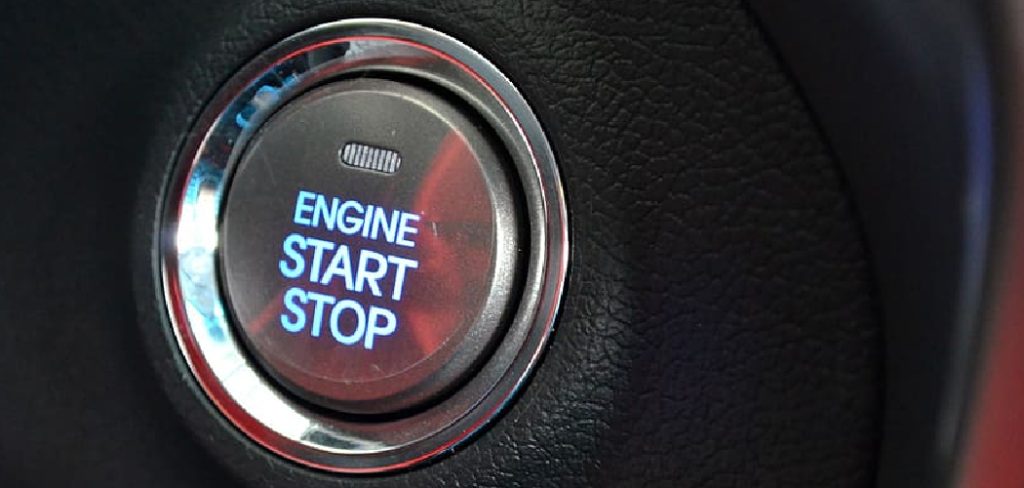
Owners of automatic vehicles frequently wonder if they can replicate this dramatic roadside rescue. The cinematic image of a car coasting down a hill before roaring back to life seems universally applicable. Unfortunately, automotive engineering rarely bends to our cinematic expectations.
Understanding exactly how to push start an automatic car requires a rather sobering journey through fluid dynamics and modern electronics. We must examine the specific mechanical barriers that separate the wheels from the engine crankshaft. Approaching this emergency scenario with an academic mindset might save you from destroying a highly expensive drivetrain.
The Mechanical Reality
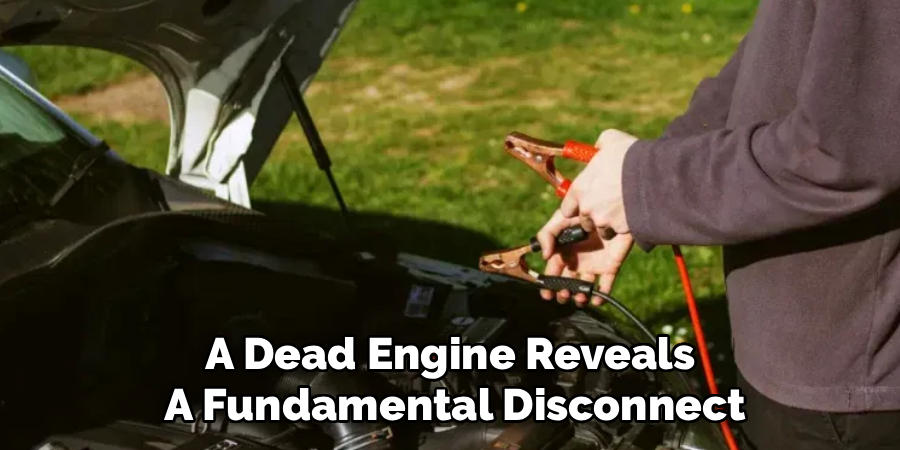
Attempting to force an automatic transmission to turn a dead engine reveals a fundamental disconnect in the powertrain. The architecture of these gearboxes deliberately isolates kinetic energy under specific conditions. This isolation prevents the wheels from commanding the engine block.
Manual transmissions utilize a physical friction disc to lock the drivetrain together. Releasing the clutch pedal crushes this disc against the engine flywheel, creating an unbreakable mechanical bridge. Automobiles abandon this solid bridge entirely in favor of hydraulic wizardry.
The Role of the Torque Converter
Instead of a dry friction clutch, automatic vehicles employ a heavy, fluid-filled chamber known as the torque converter. This metal donut bolts directly to the engine and sits bolted right in front of the transmission. It relies entirely on the movement of thick hydraulic fluid to transmit rotational force.
Inside this housing, an impeller attached to the engine hurls transmission fluid outward. This fluid crashes into a secondary turbine connected to the transmission input shaft. The physical force of this moving liquid eventually coaxes the vehicle forward.
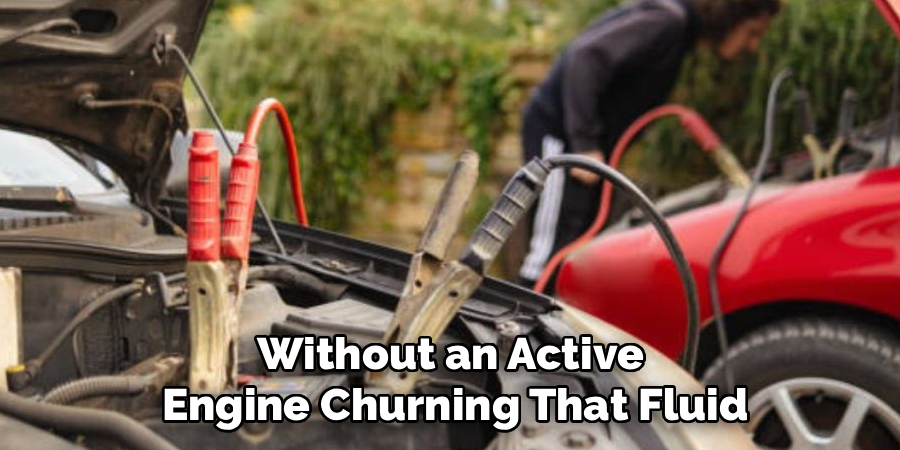
When the engine is turned off, this impeller ceases to spin entirely. The heavy hydraulic fluid simply rests at the bottom of the converter pan. Without an active engine churning that fluid, the wheels cannot send kinetic energy backward through the system.
Fluid Dynamics at Rest
The entire automatic shifting mechanism depends on immense internal hydraulic pressure. A heavy-duty mechanical pump sits at the very front of the transmission housing. This pump draws its rotational power directly from the spinning engine block.
A dead battery means a dead engine, which immediately translates to a dead hydraulic pump. Without this primary pump generating hundreds of pounds of pressure, the internal clutch packs remain completely limp. The transmission essentially sits in a state of mechanical paralysis.
Pushing the car down a steep hill simply spins the output shaft harmlessly inside the dry transmission casing. The wheels will turn, but the internal gears lack the hydraulic force necessary to grip one another. This reality appears to indicate that pushing a modern automatic is an entirely futile physical exercise.

Why Modern Engineering Resists Manual Ignition
Automakers continually add layers of complexity to protect the drivetrain from operator error. These electronic safeguards act as an invisible wall between the driver and the raw machinery. Bypassing these computers requires far more than sheer physical momentum.
Even if you somehow managed to lock the transmission gears together manually, the engine control module would refuse to cooperate. Modern engines demand a highly orchestrated sequence of electronic events before they allow a combustion cycle. A drained battery prevents this sequence from ever initiating.
Why Modern Solenoids Prevent Ignition
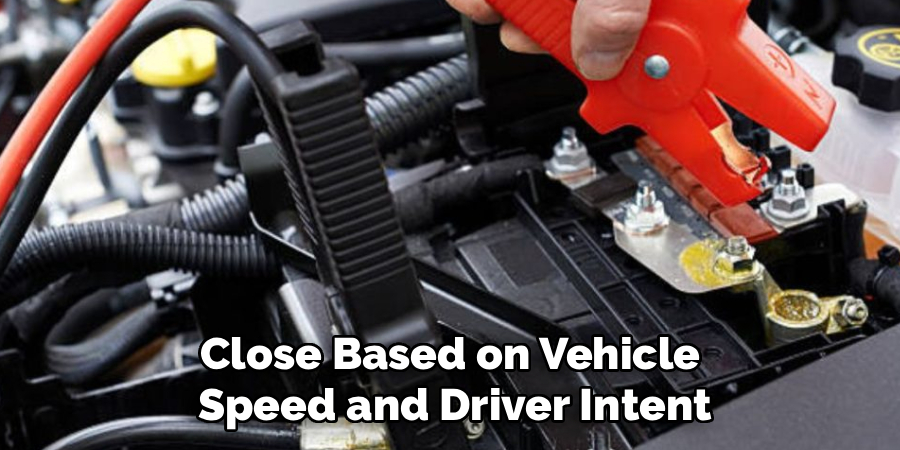
Contemporary gearboxes rely on a complex labyrinth of electronic valves known as solenoids. These tiny electromagnetic switches direct the pressurized hydraulic fluid through a massive aluminum valve body. The main computer commands these solenoids to open or close based on vehicle speed and driver intent.
When electrical power vanishes, these solenoids default to a closed, defensive position. They physically block the fluid pathways required to engage any forward gears. You cannot force these valves open with physical pushing.
The transmission simply remains in a perpetual state of neutral. Engineers designed this specific failsafe to prevent the transmission from tearing itself apart during a sudden electrical failure on the highway. This defensive posture makes roadside heroics mathematically impossible.
The Electronic Handshake
Assuming you bypass the hydraulic limitations, the engine itself still requires electricity to fire. The high-pressure fuel injectors need a sudden jolt of voltage to spray atomized gasoline into the cylinders. The spark plugs demand an even larger electrical surge to ignite that vapor.
Furthermore, modern anti-theft immobilizers require the dashboard computer to read a radio frequency from your key fob. A dead battery means the computer remains asleep and cannot verify your ownership of the vehicle. The engine will deliberately withhold fuel and spark to prevent what it assumes is a theft attempt.
How To Push Start An Automatic Car: The Vintage Automatics
Automotive history occasionally offers fascinating loopholes to our modern mechanical rules. If you drive a remarkably old classic car, the physics of your transmission might actually permit a rolling start. Engineers built these early gearboxes with entirely different hydraulic architectures.
Vehicles manufactured before the late 1960s occasionally possessed a unique secondary pump. This hardware inclusion theoretically allowed the wheels to build internal hydraulic pressure. Examining these vintage systems provides a brilliant contrast to contemporary engineering.
Rear Pump Mechanics
Classic transmissions like the original cast-iron Chevrolet Powerglide featured two distinct hydraulic pumps. The primary pump sat at the front, driven by the engine block exactly like modern vehicles. However, a secondary pump lived at the very rear of the transmission tail housing.
This rear pump drew its rotational energy directly from the spinning driveshaft. As the rear wheels turned, the driveshaft spun this secondary pump, slowly building hydraulic pressure within the valve body. This mechanical quirk offered a glimmer of hope for stranded motorists.
If you pushed the vehicle fast enough, the rear pump could eventually generate sufficient pressure to engage the forward clutch packs. The transmission would suddenly grip, forcing the engine crankshaft to rotate. This physical connection allowed the vintage carburetor to suck in air and fuel, potentially reviving the motor.
The 30 MPH Threshold
Reviving these vintage machines required a terrifying amount of physical momentum. Generating enough pressure from the rear pump alone was not a task for a single person pushing in a parking lot. The vehicle typically needed to reach speeds exceeding thirty miles per hour.
Achieving this velocity usually required a secondary vehicle to push the dead car aggressively down a long stretch of highway. The driver of the dead vehicle would suddenly drop the gear selector into ‘Drive’ or ‘Low’ while coasting at this reckless speed. The resulting violent jerk often caused severe whiplash and occasionally shattered the internal transmission bands.
Automakers eventually realized that rear pumps added unnecessary weight and manufacturing complexity. They quietly phased this hardware out of production as battery technology became marginally more reliable. Today, finding a vehicle equipped with a rear pump is an exceptionally rare occurrence.
Practical Emergency Procedures for Modern Vehicles
Accepting the mechanical limitations of your modern transmission forces you to adopt different roadside strategies. Physical pushing will simply exhaust you without yielding a running engine. You must focus entirely on restoring electrical voltage to the sleeping computer network.
The automotive aftermarket offers numerous tools designed specifically to bypass a drained lead-acid battery. Carrying the correct equipment transforms a severe emergency into a minor, ten-minute inconvenience. Preparation remains your greatest defense against a silent engine block.
Utilizing Portable Jump Starters
Lithium-ion technology has completely revolutionized roadside automotive recovery. You no longer need to flag down a stranger to borrow their running vehicle. A portable jump starter pack easily fits inside a standard glovebox.
These dense battery packs deliver an immediate, massive surge of cold cranking amperage directly to your battery terminals. You simply connect the clamps, wait a few seconds for the computers to wake up, and press your ignition button. The engine usually roars to life instantly, completely bypassing the need to manipulate the transmission.
These units also eliminate the risk of voltage spikes damaging the sensitive electronic modules. They feature internal microprocessors that verify the polarity of the connection before releasing their payload. This technological safety net protects your expensive dashboard computers from accidental electrical fires.
Safe Cabling Techniques
If you lack a portable lithium pack, traditional jumper cables remain a highly viable alternative. However, connecting two modern vehicles requires a methodical, cautious approach. A rushed connection can easily weld the clamps to your battery posts.
You must connect the red positive clamp to the dead battery first, followed by the positive terminal on the donor car. Secure the black negative clamp to the donor battery next. Finally, attach the last black clamp to an unpainted metal bracket on the dead engine block, far away from the actual battery casing.
This specific grounding technique prevents stray electrical sparks from igniting any invisible hydrogen gas venting from the dead battery. Allow the donor vehicle to idle for at least five minutes to push a surface charge into your depleted cells. Once you start your automatic vehicle successfully, disconnect the cables in the exact reverse order.
Conclusion
A drained electrical system strips a vehicle of its mobility and isolates the driver entirely. Attempting to force the machine into action through physical exertion often ignores the reality of modern drivetrain architecture. The thick hydraulic fluid and resting torque converters simply refuse to translate the movement of your tires into engine rotation.
Vintage automobiles offered a brief historical window where aggressive highway pushing might actually yield a running motor. Contemporary vehicles, however, rely on a strict network of electronic solenoids and high-pressure fluid pumps that remain entirely paralyzed without battery voltage. Acknowledging this mechanical boundary prevents you from damaging your expensive transmission gears in a moment of sheer desperation.
Knowing exactly how to push start an automatic car ultimately means understanding that you cannot perform the task through kinetic force alone. You must abandon the cinematic ideal of rolling down a hill and focus instead on restoring the vital electrical current. Carrying a portable lithium jump starter or a quality set of heavy-gauge cables ensures you can confidently overcome a silent engine without ever breaking a sweat.

About
Ora Hayes is a distinguished figure in the world of DIY Thecarfixes, with over a decade of expertise in automotive diagnostics and high-performance maintenance. Her professional focus lies in merging mechanical precision with modern digital tools, fostering repair solutions that are both cost-effective and highly reliable. As the author of Thecarfixes, Ora Hayes delves into the art and science of automotive restoration, inspiring car owners and hobbyist mechanics alike.
Education
RMIT University (Melbourne, Australia) Associate Degree in Automotive Engineering — Focus on vehicle dynamics, industry-driven repair protocols, and advanced diagnostics. Gained hands-on experience with traditional mechanical tools and modern ECU remapping software.
Nottingham Trent University (United Kingdom) Bachelor’s in Mechanical Design and Automotive Engineering (Honors) — Specialized in automotive systems with a focus on blending technical engineering with everyday usability. Participated in industry projects, working with leading automotive manufacturers to gain real-world insights into vehicle longevity.
Publications and Impact
In Thecarfixes, Ora Hayes shares her insights on troubleshooting complex engine issues, material durability, and strategies for efficient garage setups. Her writing bridges the gap between professional mechanic knowledge and the home enthusiast’s needs, making it a must-read for both everyday drivers and seasoned gearheads.