Many modern vehicles look identical from the outside, regardless of the mechanical architecture hidden underneath. This visual uniformity frequently confuses drivers who simply want to understand their own machine. Fenders and bumpers rarely tell the whole story.
Front-wheel drive systems send engine power exclusively to the front two wheels. Conversely, an all-wheel drive setup distributes kinetic energy to all four corners for superior traction. Figuring out exactly how to know if my car is fwd or awd appears to be a necessary step for safe ownership.

Ignorance regarding this mechanical layout could lead to catastrophic damage during routine maintenance or emergency towing. This guide explores the physical differences between these systems. We will outline a straightforward diagnostic process to identify your vehicle’s specific configuration.
Understanding Drivetrain Basics
Power delivery dictates how a vehicle behaves on the pavement. The drivetrain represents the complex series of mechanical components that physically move the chassis. This includes the transmission, driveshafts, and structural axles.
Engineers design these systems to meet specific consumer demands regarding fuel economy and weather capability. A basic understanding of these pathways may suggest why certain cars handle winter storms better than others.
Characteristics Of Front-Wheel Drive
Front-wheel drive layouts prioritize packaging efficiency and lower manufacturing costs. The engine typically mounts transversely across the engine bay. It combines the transmission and front differential into a single unit known as a transaxle.
This compact packaging saves considerable weight. It also improves fuel economy by reducing the mechanical friction associated with turning a long rear driveshaft. Because the heavy engine block sits directly over the driven wheels, this layout provides surprisingly adequate traction in light rain.
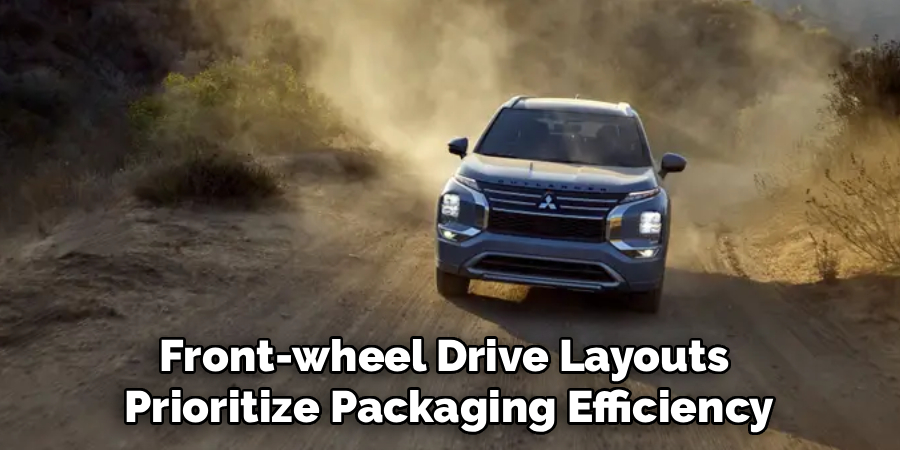
Most economy sedans and compact crossovers utilize this architecture by default. It appears to indicate a highly pragmatic approach to daily transportation.
Characteristics Of All-Wheel Drive
All-wheel drive systems build upon the basic front-wheel architecture. They incorporate additional hardware to route a portion of the engine’s torque backward. A center differential or transfer case splits the kinetic energy down a secondary driveshaft.
These systems operate entirely without driver input. They adjust power distribution almost instantly when wheel slip is detected on ice or wet pavement. This reactive technology offers an undeniable safety advantage in hostile weather conditions.
Adding these heavy mechanical components does decrease fuel efficiency slightly. It also raises the overall maintenance costs of the vehicle.
Why Knowing Your Drivetrain Matters
Assuming your car possesses a specific mechanical layout invites severe financial risk. You must confirm the underlying hardware before making maintenance decisions. Incorrect assumptions could literally destroy the transmission.
Certain service procedures change entirely depending on the axles involved. You cannot treat an AWD crossover like a standard FWD sedan. The mechanical tolerances simply do not allow for such generalized care.
Tire Replacement And Rotation
All-wheel drive systems require extremely tight tolerances regarding tire circumference. You must ensure all four tires remain identical in brand, specific tread pattern, and overall wear depth. Replacing just one damaged tire might suggest a profound risk to the center differential.

The computer constantly monitors wheel speed to detect slipping. If one new tire rotates slightly slower than three worn tires, the system overheats. Front-wheel drive cars offer significantly more flexibility, allowing owners to replace tires in pairs safely.
Towing Safety Precautions
A roadside emergency necessitates absolute certainty regarding your drivetrain. You can tow a front-wheel drive car safely on a dolly with its front wheels suspended in the air. The rear wheels simply roll freely without turning any internal transmission components.
Towing an all-wheel drive vehicle with any wheels touching the asphalt will trigger immediate mechanical devastation. The rotation forces the center differential to spin without proper engine lubrication. These vehicles must always be transported on a flatbed truck to prevent catastrophic failure.
Primary Guide: How To Know If My Car Is FWD Or AWD
Identifying your drivetrain does not require specialized garage equipment. You can determine the layout using basic observation and a bit of analytical patience. Proceeding through these logical steps usually yields a definitive answer within minutes.
We designed this sequence to start with the easiest administrative checks before moving to physical inspections. You might not even need to dirty your hands.
Step 1: Inspect The Owner’s Manual
The most reliable diagnostic tool often sits quietly inside your glovebox. Open the thick manufacturer handbook and navigate toward the specifications or driving sections. Automakers usually detail the exact mechanical capabilities of the chassis here.

Some manuals cover multiple trim levels simultaneously. They might provide visual diagrams showing the differences between the base FWD model and the upgraded AWD variant. This documentation frequently points the owner in the right direction immediately.
Step 2: Check The Vehicle Identification Number
Your car carries a unique alphanumeric fingerprint assigned at the factory. Locate the 17-digit Vehicle Identification Number stamped on the lower driver-side corner of the windshield. You can also find it printed on a metal placard inside the driver’s door jamb.
Type this exact string of characters into a free online VIN decoder. Manufacturer-specific lookup tools translate these digits into the exact factory build sheet. This digital record will definitely state the drivetrain layout installed on the assembly line.
Step 3: Inspect Exterior Badges
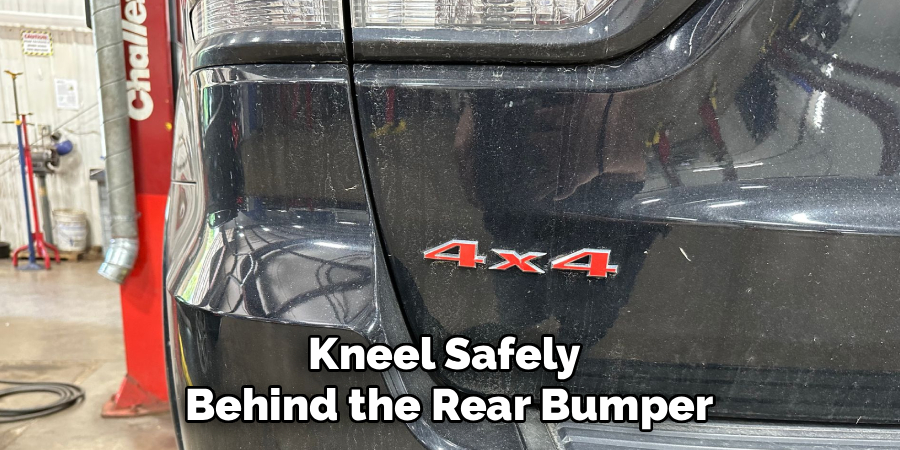
Marketing departments love to advertise expensive mechanical upgrades. Walk slowly around the rear tailgate and the front fenders of your vehicle. Look closely for small chrome badges glued to the paint.
Automakers frequently highlight their traction systems with specific nomenclature. You might see badges reading “AWD,” “4Motion,” “4MATIC,” or “SH-AWD” depending on the brand. Conversely, standard front-wheel drive models almost always lack these specific mechanical callouts.
Step 4: Search For Rear Axle Components
If paperwork and badges leave you uncertain, a physical inspection becomes necessary. Kneel safely behind the rear bumper with a strong flashlight. You must look past the exhaust pipe toward the absolute center of the rear wheels.
A front-wheel drive vehicle will display a very simple visual profile. You will only see a solid metal beam or independent suspension arms holding the rear hubs. No thick metal tubes will connect the left and right wheels together.
An all-wheel drive vehicle presents a vastly different mechanical landscape. You will spot a heavy, pumpkin-shaped metal housing mounted dead center. Thick cylindrical axles will extend outward from this differential to connect directly to the center of each rear wheel.
Differences in Vehicle Drivetrain Components
Front-Wheel Drive Components
Front-wheel drive vehicles are characterized by their lightweight design and efficient use of components. The drivetrain primarily transfers power to the front wheels, which simplifies the overall structure. The absence of a rear differential reduces weight and often results in better fuel efficiency. This design is particularly popular in compact cars and sedans.
All-Wheel Drive Components
All-wheel drive vehicles incorporate a more complex system to distribute power to all four wheels. This includes additional components such as a transfer case and multiple differentials to ensure power is delivered evenly across all wheels. While this setup enhances traction and stability on various terrains, it adds weight and can marginally reduce fuel efficiency compared to front-wheel drive systems. All-wheel drive is commonly found in SUVs and off-road vehicles.
Front-Wheel Drive Components
Front-wheel drive systems are simpler in design and typically consist of a transaxle, which integrates the transmission and differential into a single unit. This design helps reduce vehicle weight and improve fuel efficiency, making it a popular choice for compact and economy cars.
Advantages of Front-Wheel Drive
One of the main benefits of front-wheel drive is its cost-effectiveness. The simpler drivetrain layout reduces manufacturing costs, which translates to more affordable vehicles. Additionally, front-wheel drive offers better traction in snowy or rainy conditions, as the weight of the engine over the drive wheels improves grip on slippery surfaces.
Disadvantages of Front-Wheel Drive
Despite its advantages, front-wheel drive has some drawbacks. It may not perform as well as all-wheel drive or rear-wheel drive systems in high-performance vehicles. The distribution of weight primarily to the front of the car can cause understeer during sharp turns or dynamic driving, which limits its suitability for sporty or heavy-duty applications.
FAQs About All-Wheel Drive
What Is the Primary Advantage of All-Wheel Drive?
The primary advantage of all-wheel drive is its ability to provide enhanced traction and stability. This makes it particularly beneficial when driving on slippery or uneven terrains, such as during rain, snow, or off-road conditions.
Does All-Wheel Drive Affect Fuel Efficiency?
Yes, all-wheel drive can marginally reduce fuel efficiency compared to front-wheel or rear-wheel drive systems. This is due to the added weight of the components and the energy required to power all four wheels.
Is All-Wheel Drive Suitable for Everyday Use?
All-wheel drive is well-suited for everyday use, especially in regions with frequent inclement weather or varied terrain. However, drivers in areas with mild climates and flat roads may not find it necessary.
How Does All-Wheel Drive Differ From Four-Wheel Drive?
While both systems power all four wheels, all-wheel drive is typically optimized for on-road use and operates automatically. Four-wheel drive, on the other hand, is designed for off-road use and often requires manual activation.
What Maintenance Is Needed for All-Wheel Drive Systems?
All-wheel drive systems require regular maintenance, including checking the transfer case, differentials, and drivetrain components. Following the manufacturer’s maintenance schedule ensures optimal performance and longevity.
Conclusion
Determining how your vehicle translates engine power to the road requires only minor observation. You can decode the factory configuration by checking the glovebox manual or running a quick digital VIN search. Examining the rear suspension provides the ultimate physical confirmation of the hardware.
Understanding exactly how to know if my car is fwd or awd empowers you to make intelligent maintenance decisions. You can now purchase the correct tires and confidently call for the right type of tow truck during emergencies. Taking five minutes to verify your drivetrain layout today ensures you remain safely prepared for any future automotive challenges.

About
Ora Hayes is a distinguished figure in the world of DIY Thecarfixes, with over a decade of expertise in automotive diagnostics and high-performance maintenance. Her professional focus lies in merging mechanical precision with modern digital tools, fostering repair solutions that are both cost-effective and highly reliable. As the author of Thecarfixes, Ora Hayes delves into the art and science of automotive restoration, inspiring car owners and hobbyist mechanics alike.
Education
RMIT University (Melbourne, Australia) Associate Degree in Automotive Engineering — Focus on vehicle dynamics, industry-driven repair protocols, and advanced diagnostics. Gained hands-on experience with traditional mechanical tools and modern ECU remapping software.
Nottingham Trent University (United Kingdom) Bachelor’s in Mechanical Design and Automotive Engineering (Honors) — Specialized in automotive systems with a focus on blending technical engineering with everyday usability. Participated in industry projects, working with leading automotive manufacturers to gain real-world insights into vehicle longevity.
Publications and Impact
In Thecarfixes, Ora Hayes shares her insights on troubleshooting complex engine issues, material durability, and strategies for efficient garage setups. Her writing bridges the gap between professional mechanic knowledge and the home enthusiast’s needs, making it a must-read for both everyday drivers and seasoned gearheads.