Starting your vehicle on a sweltering afternoon only to be greeted by warm air blowing from the dashboard vents is a uniquely frustrating experience. Driving in severe heat does more than cause physical discomfort. High cabin temperatures can noticeably reduce driver focus and increase fatigue behind the wheel, which may suggest a potential safety risk during long commutes.
Diagnosing and improving your vehicle’s cooling performance does not automatically require an immediate, expensive trip to the dealership. Automotive air conditioning systems operate on relatively straightforward principles of thermodynamics. By understanding the underlying components of your climate control system and performing basic troubleshooting, you can often restore that refreshing chill yourself.

This guide on how to make my car ac cold outlines the practical steps required to get your cabin temperature back to comfortable levels. We will explore how the system functions, identify common failure points, and walk through an actionable process to troubleshoot the issue directly in your driveway.
The Mechanics of Automotive Air Conditioning
Your vehicle’s air conditioning system operates on a continuous cycle of pressure and temperature manipulation. It relies on a specialized chemical called refrigerant. This substance absorbs heat from the cabin and releases it outside the vehicle. The process begins at the compressor, which acts as a belt-driven pump. It pressurizes the refrigerant gas and forces it into the condenser.
Located near the front grill, the condenser cools the high-pressure gas until it transforms into a liquid state. This liquid then flows through a receiver, dryer or accumulator to remove unwanted moisture and debris. Finally, the liquid refrigerant reaches the evaporator located inside your dashboard. As warm cabin air blows across the cold evaporator fins, the refrigerant absorbs the heat and turns back into a gas. The resulting cold air is then pushed through your vents by the blower motor.
Common Reasons Your Climate Control Is Failing
Several underlying issues can prevent your climate control system from delivering cold air. The most frequent culprit appears to be a low refrigerant level, which usually indicates a small leak in the hoses, O-rings, or system seals. Because the air conditioning system operates as a closed loop, running low on refrigerant directly compromises the evaporator’s ability to absorb heat.
Another frequent problem involves a clogged cabin air filter. A dirty filter physically restricts the airflow pushing through your dashboard vents. Electrical faults could also be to blame. A blown fuse, a failing relay, or a malfunctioning temperature sensor can prevent the compressor from engaging entirely. A damaged condenser at the front of your vehicle might struggle to release heat, causing the entire cooling cycle to stall.
Quick Checks You Can Do Yourself
Before purchasing replacement parts or scheduling a service appointment, you might want to perform a few rapid inspections. Start by turning on the engine, setting the AC to its coldest setting, and popping the hood. Listen closely for an audible click. This distinct sound generally indicates that the compressor clutch is engaging as intended.
Next, visually inspect the front grill of your vehicle. Ensure there are no plastic bags, bug accumulations, or dense leaves blocking the condenser. Such obstructions heavily restrict necessary airflow. You can also place your hand near the dashboard vents to evaluate the air pressure. Hearing the blower motor running loudly while feeling very little air coming out usually points to a severely restricted cabin air filter that requires immediate replacement.

7 Steps on How to Make My Car Ac Cold
Step 1: Park in the Shade or Use a Sunshade
The most logical way to support your climate control system is to reduce the initial heat load it must overcome. Parking your vehicle under direct sunlight for several hours allows the dashboard and seating materials to absorb massive amounts of solar radiation. This trapped heat forces the AC to work twice as hard just to achieve a baseline temperature.
Try to park under a tree, inside a parking garage, or in the shadow of a large building whenever possible. If shaded parking is unavailable, utilizing a reflective sunshade for your windshield could make a noticeable difference. Blocking ultraviolet rays from baking your dashboard lowers the starting temperature of the cabin significantly.
Step 2: Ventilate the Cabin Before Driving
Trapped hot air heavily delays the cooling process. If your car has been sitting in the sun, the air inside is likely much hotter than the ambient temperature outside. Immediately turning on the AC and rolling up the windows forces your system to cool down a pocket of superheated air, wasting time and fuel.
Open all the doors for a few seconds before you get in. Alternatively, roll down the windows as you begin driving. This allows the dense, superheated air to escape naturally. Drive with the windows down for the first minute while the system begins to cycle. Once you feel cool air coming from the vents, roll the windows up to seal the cabin.
Step 3: Turn on the AC Correctly
Many drivers mistakenly blast the air conditioning at maximum fan speed the second they start the engine. This habit actually hinders the cooling process. The system has not yet had time to pressurize the refrigerant and lower the temperature of the evaporator coils. Blowing air rapidly over warm coils simply circulates stagnant hot air into your face.
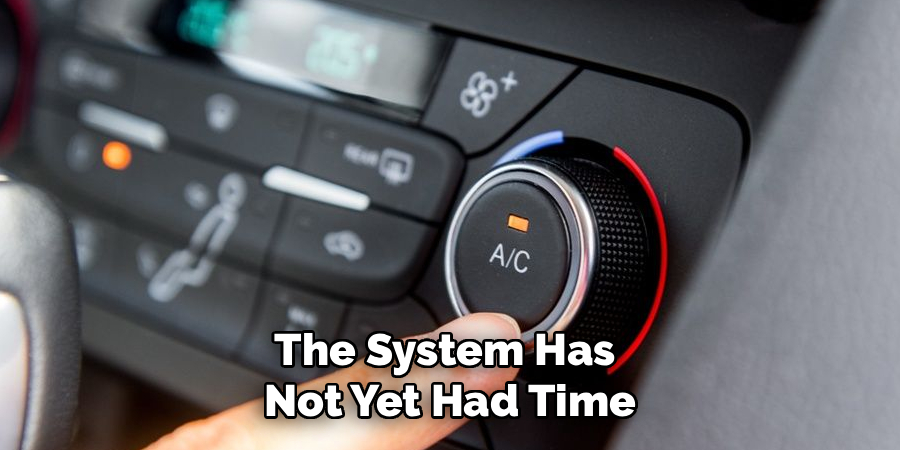
Start by turning the temperature dial to the lowest setting, but keep the blower fan speed low. As the compressor runs and the evaporator core drops in temperature, the air will gradually get colder. Once the air feels distinctly chilled, turn the fan speed up to push that cold air throughout the cabin.
Step 4: Use the Recirculation Mode Wisely
Understanding when to use the fresh air mode versus the recirculation mode is necessary for optimal cooling. When you first start driving a hot vehicle, use the fresh air setting. This pulls in outside air, which is usually cooler than the baked air trapped inside your car.
After a few minutes, once the interior temperature drops below the outside temperature, switch to the recirculation mode. This setting stops pulling in hot air from outside and instead re-cools the air already inside the cabin. Chilling the same interior air requires less energy and results in a colder driving experience.
Step 5: Replace the Cabin Air Filter
Your cabin air filter traps dust, pollen, and road dirt before they enter the cabin. Over time, this pleated paper filter becomes completely packed with debris. It can eventually act like a solid wall that prevents air from passing through. Even if your compressor is healthy and refrigerant levels are perfect, a clogged filter will result in remarkably poor airflow.
Most cabin air filters are located behind the glove box and can be replaced without specialized tools. Consult your owner’s manual for the exact location. Swapping out a filthy filter for a new one instantly restores the airflow capacity of your blower motor.

Step 6: Clean the Condenser Coils
The condenser acts similarly to the radiator used to cool your engine. Its primary job is to release the heat absorbed from the cabin into the outside air. Because it sits at the very front of the vehicle, the condenser accumulates dead bugs, mud, and leaves over the years.
When the condenser fins are blocked, heat cannot escape. This brings the cooling cycle to a halt. To address this, take a garden hose with a gentle spray nozzle and wash the front of the condenser. Avoid using a high-pressure power washer, as the delicate aluminum fins can bend easily.
Step 7: Recharge the AC Refrigerant
If the compressor is running, the filters are clean, and the fans are blowing, but the air is still lukewarm, you likely have a low refrigerant charge. Refrigerant gradually leaks out over several years through microscopic pores in rubber hoses and aging O-rings. Without enough of this chemical, the system cannot create cold air.
You can purchase an AC recharge kit from a local auto parts store. These kits include a gauge and a can of appropriate refrigerant. Connect the gauge to the low-pressure service port, read the current pressure levels, and slowly add refrigerant according to the bottle’s instructions until the pressure falls within the optimal range.
Following these steps on how to make my car ac cold again can save you time and money. However, it is important to note that AC systems are complex and may require professional help if they have significant issues. Regular maintenance, such as replacing air filters and checking refrigerant levels, can prevent your AC from breaking down in the first place.
Tips to Improve Cooling Efficiency
Maintaining a consistently cool cabin requires a few proactive habits. Ensure your vehicle’s cooling fans are functioning properly, as they pull air across the condenser when the car is idling in traffic. Keeping your windows slightly cracked when parked safely may prevent the extreme greenhouse effect from baking your interior plastics.
Using window tinting also blocks solar heat and UV radiation from entering the vehicle. Running the air conditioning for at least ten minutes every month, even during the winter, keeps the internal seals lubricated and helps prevent premature refrigerant leaks.
Common Mistakes to Avoid
One major mistake vehicle owners make is overcharging the air conditioning system with too much refrigerant. Adding excessive pressure can destroy the compressor or cause the safety valves to blow out.
Neglecting to check the engine cooling system is another common error; if your engine is overheating, your air conditioning will also suffer. Many drivers ignore strange hissing or grinding noises, which often point to a failing compressor clutch that requires immediate attention.
When to Visit a Professional Mechanic?
While many minor issues can be solved at home, certain symptoms require the expertise of a certified technician. If you recharge the refrigerant but the air turns warm again within a few days, you likely have a significant leak that must be traced using a specialized UV dye.
You should also seek professional help if the compressor makes a loud squealing noise when engaged, as this usually indicates internal mechanical failure. Diagnosing complex electrical issues, such as a faulty climate control module, usually requires advanced diagnostic scanners.

Maintenance Guidelines
Proactive maintenance remains the best way to avoid costly cooling system repairs. Inspect your cabin air filter every six months and replace it at least once a year. Keep the area around your windshield wipers free of leaves and pine needles, as this is where the system pulls in fresh outside air.
Periodically inspect the rubber hoses under the hood for signs of cracking or oily residue, which strongly suggests a refrigerant leak.
Frequently Asked Questions
Q1: How Often Should I Recharge My Car’s AC System?
You do not need to recharge your air conditioning system on a scheduled basis. Because the system is sealed, it should theoretically never need a recharge unless a leak allows the refrigerant to escape. If you find yourself needing to add refrigerant every summer, a mechanic should locate and repair the compromised seal.
Q2: Why Does My Car’s AC Smell Bad When I Turn It On?
A foul, musty odor coming from your vents is usually caused by mold or mildew growing on the damp evaporator core inside your dashboard. This happens when condensation fails to drain properly. Spraying an automotive duct cleaner into the exterior air intake vents and ensuring the rubber drain tube beneath the car is clear can help resolve this.
Q3: Does Using The Air Conditioning Use More Gas?
Yes, running the air conditioning does consume additional fuel because the engine has to work harder to turn the compressor belt. However, driving at highway speeds with the windows down creates significant aerodynamic drag, which can use more fuel than running the AC. Roll the windows down at low city speeds, and use the AC when driving on the highway.
Conclusion
A properly functioning air conditioner is vital for a comfortable driving experience. By taking the time to understand your vehicle’s climate control components and performing regular visual inspections, you can keep the air flowing crisp and cold. Whether it means replacing a dirty filter, parking strategically, or carefully adding refrigerant, these steps empower you to manage your cabin temperature effectively.
If your troubleshooting efforts do not resolve the issue, do not hesitate to reach out to a certified automotive technician. Addressing small leaks or electrical faults early can save you from expensive repairs in the future. Stay proactive with your vehicle maintenance, and enjoy the refreshing chill on your next summer drive. Thanks for reading this guide on how to make my car ac cold.

About
Ora Hayes is a distinguished figure in the world of DIY Thecarfixes, with over a decade of expertise in automotive diagnostics and high-performance maintenance. Her professional focus lies in merging mechanical precision with modern digital tools, fostering repair solutions that are both cost-effective and highly reliable. As the author of Thecarfixes, Ora Hayes delves into the art and science of automotive restoration, inspiring car owners and hobbyist mechanics alike.
Education
RMIT University (Melbourne, Australia) Associate Degree in Automotive Engineering — Focus on vehicle dynamics, industry-driven repair protocols, and advanced diagnostics. Gained hands-on experience with traditional mechanical tools and modern ECU remapping software.
Nottingham Trent University (United Kingdom) Bachelor’s in Mechanical Design and Automotive Engineering (Honors) — Specialized in automotive systems with a focus on blending technical engineering with everyday usability. Participated in industry projects, working with leading automotive manufacturers to gain real-world insights into vehicle longevity.
Publications and Impact
In Thecarfixes, Ora Hayes shares her insights on troubleshooting complex engine issues, material durability, and strategies for efficient garage setups. Her writing bridges the gap between professional mechanic knowledge and the home enthusiast’s needs, making it a must-read for both everyday drivers and seasoned gearheads.