Who doesn’t like a day at the beach? That pleasure dims, however, the moment you notice the gritty aftermath sprawling across your car’s carpet. Sand, annoying in its persistence, presses deep into the fibers—yet vacuums barely touch it and it always seems to return, no matter how many times you try. Here, futility appears to be as relentless as the tide. You mop up, only to find more the next morning, tracked in or having worked its way back up from below.
Restoring your car’s interior to its pre-beach state isn’t as simple as a quick sweep with the vacuum. If you really want to get rid of the last stubborn grains, it takes a few focused techniques—some tried-and-true, some a little more creative. I’m not promising “perfection” or miracles, but with this approach, you stand an excellent chance of truly banishing those beach leftovers. In this guide on how to get sand out of car carpet, we’ll cover the essential steps to get rid of sand and have your car’s interior looking spotless.
Tools and Materials You’ll Want on Hand
Here are some tools and materials you’ll want to have on hand before getting started on removing sand from your car’s carpet:
- A vacuum cleaner with a hose attachment
- A brush or toothbrush
- A microfiber cloth or towel
- Baking soda
- White vinegar
- Water in a spray bottle
- Optional: an air compressor for stubborn sand particles
These items will help make the sand removal process easier and more effective. Make sure to have them within reach before starting.
6 Steps on How to Get Sand Out of Car Carpet
Step 1: Take Out and Clean the Floor Mats
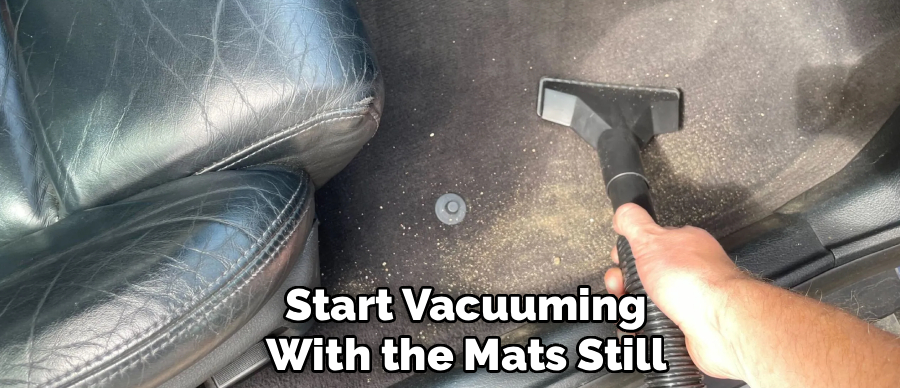
Resist the urge to start vacuuming with the mats still in place. Lift them out, but do it gently—you’re aiming to keep sand from raining down onto the floor you’re about to clean. Once outside, shake them like you mean it, but not next to your car unless you want to step in that mess later. If the mats are rubber, you can spray them down and let them dry in the sun. Fabric mats are fussier; treat them just like you will the main carpet in a moment. If you want an easy job later, don’t skip this step.
Step 2: Dry Vacuum the Obvious Stuff
Plug in the vacuum and don’t rush. Use your widest nozzle first, gliding slowly across every inch from the pedals to the seat rails and back through the rear. There’s no point smashing the vacuum down hard yet; you’re just aiming for the loose debris lurking on top. Don’t forget under the seats. Slide them all the way forward, then all the way back for access—those tracks hide a small beach’s worth of sand.
This first sweep might seem redundant, but it exposes the stubborn stuff—the grains wedged far too deep for suction alone. You’ll see where you need to spend some actual effort in the next steps.
Step 3: Agitate the Carpet With a Stiff Brush
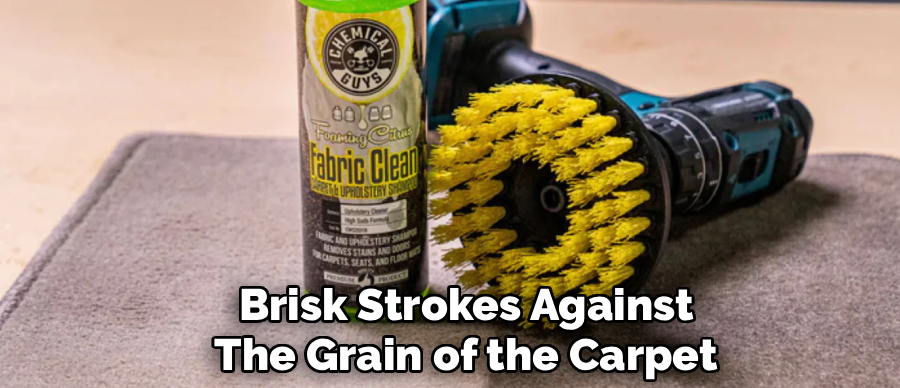
Now comes the tedious bit, but also the most important. Grab your brush and, working in small sections, use short, brisk strokes against the grain of the carpet. The point isn’t brute strength—it’s the friction that jars the sand loose from those woven fibers, nudging it towards the surface where it can be vacuumed up. Hold your vacuum nozzle right next to the section you’re brushing, ready to catch particles as soon as they dislodge. Rotate through each area: the driver’s side, passenger side, and back seats. It’s easy to get bored, but skipping spots guarantees you’ll find sand again next time you clean.
Step 4: Vibrate the Floorboards With a Rubber Mallet
For sand that seems absolutely intent on staying put, try this: tap the floor gently but firmly with a rubber mallet, focusing on the areas where you still see or feel grit. The vibrations coax sand upward from the deepest layers, making it finally available for vacuuming. This may read as overkill, but from personal experience, it actually lifts out surprising amounts. Bounce the vacuum immediately over the newly released debris before it settles again. Repeat as needed, patience in tow.
Step 5: Use a Drill Brush Attachment (If Necessary)
If you’re dealing with impressively stubborn sand—think multiple beach trips, or carpets that haven’t seen a deep clean in a year—switch to a drill brush attachment. Run it at medium speed (don’t crank it to the max unless you want friction burns or frayed carpet). Keep the tool moving at all times. This method doesn’t just clean; it zaps the sand up, spinning it right out of the pile. Again, hang onto your vacuum and remove loosened matter as you go.
Step 6: Blow Out Hidden Crevices
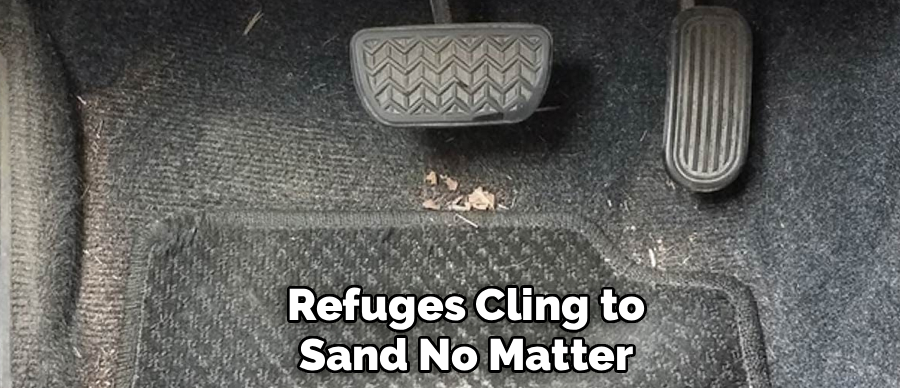
Corners. Seat rails. Console edges. These last refuges cling to sand no matter what you’ve done so far. Here, a blast of compressed air works wonders, but don’t get careless—wear safety glasses and direct the blast away from yourself. Puff into each nook and cranny, then sweep up or vacuum the sand as soon as it escapes. Inevitably, you’ll unearth a few dust bunny colonies here as well. Finish with a final, slow vacuum over the whole area.
Following these steps on how to get sand out of car carpet can help keep your car looking clean and well-maintained. It’s important to regularly clean your car carpet, especially if you live in a sandy or dusty area. Not only will it improve the appearance of your car, but it can also prevent sand from causing damage to your car’s interior.
Additional Tips to Make Life Easier
- Use a damp cloth to wipe down surfaces and remove any remaining sand particles.
- For hard-to-reach areas, use a cotton swab dipped in rubbing alcohol to dislodge sand and debris.
- Don’t forget about the trunk! It’s a common place for sand to accumulate, especially if you’ve been hauling beach gear or sandy items.
- Consider using a car cover during beach trips to minimize the amount of sand that gets inside your vehicle.
- If you have floor mats, take them out and shake them vigorously before vacuuming. This will help loosen any embedded sand particles.
- To prevent future messes, invest in some waterproof seat covers or floor mats that can easily be removed and cleaned.
- Don’t neglect the interior surfaces of your car either! Wipe down any sandy surfaces with a damp microfiber cloth to remove leftover residue.
- For pesky sand that just won’t budge, consider using a handheld vacuum or compressed air to blast it out of crevices.
- If you have leather seats, be sure to clean them regularly with a specialized leather cleaner to prevent any damage from sand particles.
- Keep in mind that saltwater can also cause damage to your vehicle’s exterior. After a day at the beach, rinse off the outside of your car with fresh water to remove any salt buildup.
What Not to Do?
Common pitfalls trip up everyone at some point. Don’t jam the vacuum nozzle into the carpet: it restricts airflow and reduces how much sand you actually pick up. Avoid using water or carpet shampoo before removing the dry debris—otherwise, you’re just making muddy paste that’s nearly impossible to lift.
If all you do is vacuum, you’ll miss most of the sand hiding below the surface—agitation and vibration are required for a true clean.
Deep Cleaning If You Still Notice Dirt (or Smell)
Sometimes, after all that, you might notice dark stains or lingering odors. Here, a deep clean makes sense.
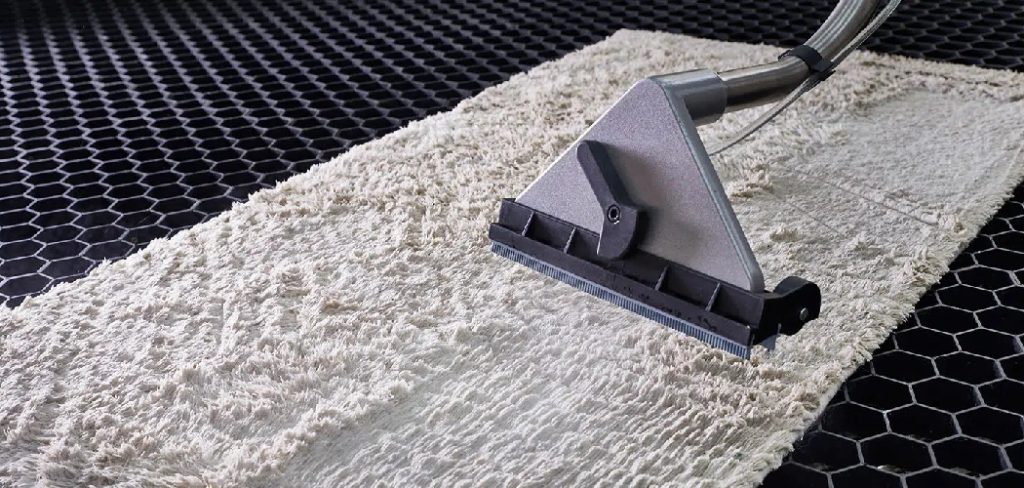
Mist the fabric with an automotive upholstery shampoo, scrub it in gently with a soft brush, then extract the moisture using a wet/dry vac or hot-water extractor. Air out the interior fully to prevent musty smells or mildew from returning.
How to Stop Sand From Invading Your Car
Prevention, while not foolproof, really helps. Keep a small brush or jug of fresh water in your trunk for rinsing feet and shoes before re-entry.
All-weather rubber mats with deep grooves catch a lot of what would otherwise end up in your carpet. Toss towels and bags in a plastic bin so you don’t wind up with a second mess.
Should You DIY or Call a Pro?
Frankly, most car owners can tackle sand removal if they have a decent vacuum, basic tools, and a little patience. It’s not necessarily enjoyable, but it is achievable. If you’re short on time, lack the right equipment, or have a particularly serious mess—think heavy salt stains, stubborn odors, or ancient sand—a professional detailer might be worth it.
They use industrial vacuums, compressors, and all sorts of gadgets the rest of us don’t keep in the garage.
Frequently Asked Questions
Q1: Can I Get By Using a Household Vacuum?
You can try, but you’ll struggle. Sand settles deep, and most home vacuums aren’t up for the challenge on automotive carpet. If you’re stuck with one, spend extra time brushing and vibrating the carpet before vacuuming.
Q2: Will a Drill Brush Damage My Carpet?
Not if you’re careful. Use a medium-stiff brush, keep it moving, and avoid pressing down too hard—this prevents burns and fraying. Keeping the drill spinning in place can damage synthetic fibers, so resist the temptation.
Q3: Why Does Sand Seem to Reappear After I Clean?
The answer, unfortunately, is physics. That sand settles against the metal floor, and as you drive, vibrations work it back up into the carpet. Unless you really agitate those lower layers, you’ll keep finding more, no matter how often you clean.
Conclusion
Getting every last grain of sand out of your car after beach season can feel Sisyphean, but a thorough, step-by-step method does pay off. Heed the steps above, and you might just keep your carpets looking (and feeling) like you’ve never set foot on the sand at all.
Prevention helps, too—save yourself time next season, and maybe, just maybe, the car will stay sand-free through summer. Thanks for reading this guide on how to get sand out of car carpet.

About
Ora Hayes is a distinguished figure in the world of DIY Thecarfixes, with over a decade of expertise in automotive diagnostics and high-performance maintenance. Her professional focus lies in merging mechanical precision with modern digital tools, fostering repair solutions that are both cost-effective and highly reliable. As the author of Thecarfixes, Ora Hayes delves into the art and science of automotive restoration, inspiring car owners and hobbyist mechanics alike.
Education
RMIT University (Melbourne, Australia) Associate Degree in Automotive Engineering — Focus on vehicle dynamics, industry-driven repair protocols, and advanced diagnostics. Gained hands-on experience with traditional mechanical tools and modern ECU remapping software.
Nottingham Trent University (United Kingdom) Bachelor’s in Mechanical Design and Automotive Engineering (Honors) — Specialized in automotive systems with a focus on blending technical engineering with everyday usability. Participated in industry projects, working with leading automotive manufacturers to gain real-world insights into vehicle longevity.
Publications and Impact
In Thecarfixes, Ora Hayes shares her insights on troubleshooting complex engine issues, material durability, and strategies for efficient garage setups. Her writing bridges the gap between professional mechanic knowledge and the home enthusiast’s needs, making it a must-read for both everyday drivers and seasoned gearheads.