There’s a peculiar kind of annoyance reserved for fogged-up car windows, isn’t there? It rarely happens when you have time to spare. Instead, visibility vanishes right when you’re running late, leaving drivers squinting into the murk or, worse, fumbling for a place to pull over. The upside—if you can call it that—is that the fix almost always comes down to a handful of straightforward actions, none especially complicated, provided you grasp the basics of how condensation plays its tricks.
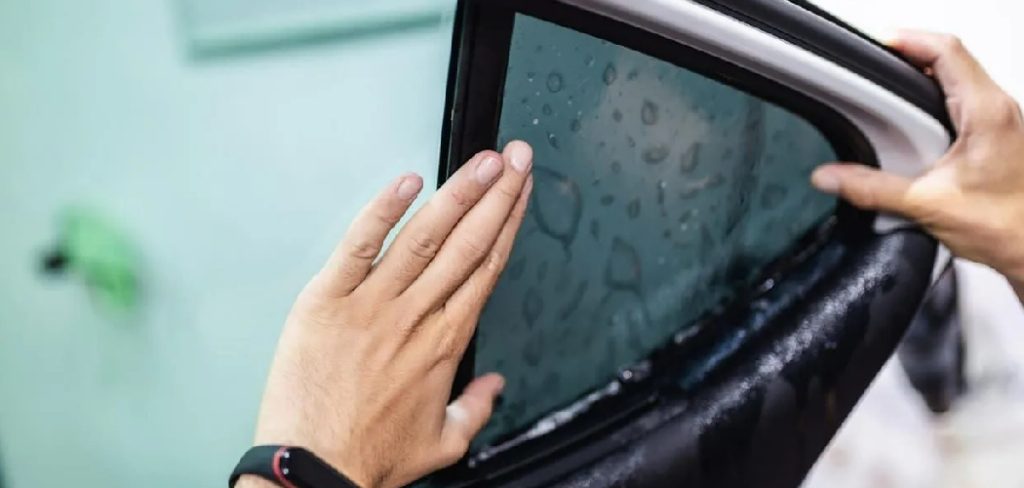
My aim here is simple: help you clear your foggy windows fast. Maybe you’re in the middle of a commute and need a quick fix, or perhaps you’re hoping to prevent this headache from happening at all. Either way, the next few sections will walk you through easy steps on how to get rid of foggy windows inside car and habits, including some lesser-known settings on your car’s dashboard that often go overlooked.
Understanding Why Car Windows Fog Up
What causes this irritation in the first place? The real culprit is almost always a mismatch—temperature stacking up against humidity. Warm, moist air drifts over a cold surface; next thing you know, beads of water spread across the glass. It’s rudimentary physics, but a familiar villain.
In winter, for example, just sitting inside your car breathing is often enough to warm the interior air. As your warm breath meets the chill of the glass, boom: a hazy film settles. Oddly enough, summer brings the reverse trick. Crank up the AC, and the cooled glass collides with the sticky heat outside—this time, the fog collects on the outside, making you wish you hadn’t left the garage at all.
Quick Fix Methods While Driving
So what’s next, especially if you suddenly find your entire windshield clouded halfway through a drive? Rolling the windows down just a crack—surprising how few try it—usually does more to clear things than any hurried wipe. The chill or even just drier outside air replaces the muggy, fog-prone air in the cabin. It’s crude, but fast.

If that’s unbearable—and sometimes, during a driving rain or subzero weather, it just might be—turn the fan up high and direct the blast at the windshield. There’s a catch, though: don’t leave the air on “recirculate.” You need the system to draw in air from outdoors. Hitting the air conditioning at the same time? That may seem odd, especially if your knees are already cold, but it makes sense: AC units are dehumidifiers at heart.
6 Step-by-step Guides on How to Get Rid of Foggy Windows Inside Car
Step 1: Crank the Heater
Start here when battling interior fog in the colder months. It may counter your instincts, but hot air can actually absorb more moisture than cold air. As the heater works overtime, it can gradually soak up those droplets lining your windshield. It won’t be instant. The first burst might even make things a hair worse. Give it a minute; you’ll see a difference.
Aim the vents up toward the glass, and don’t bother with half-measures—full fan, full heat.
Step 2: Hit the AC
Using the air conditioner while you’re already cold seems backward, I’ll admit. But there’s logic to it. When the AC is on, it pulls air through cold coils, sapping out moisture before sending that now-drier air back into the cabin. Heat plus AC equals warm, dry air cutting through the fog.
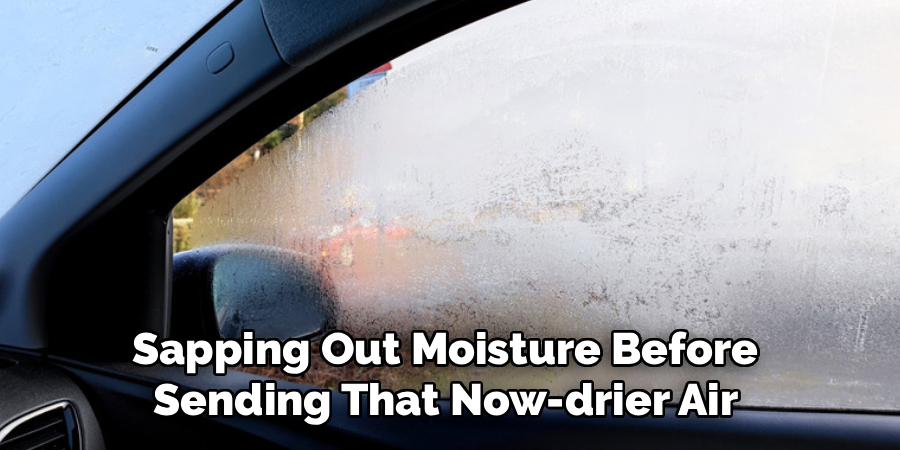
Think of this combination as an in-car hairdryer targeting condensation.
Step 3: Ditch the Recirculation Setting
That button with the looping arrow? It’s tempting, especially in heavy traffic or if you’re dodging exhaust fumes. But when it comes to condensation, it’ll only recycle the damp air and make matters worse. Switch it off. What you want is fresh, less humid air to help restore balance. Bringing in outside air is usually the quickest route to clarity.
Step 4: Crack the Windows (Even Just a Touch)
For a truly stubborn case, nothing replaces good old-fashioned airflow. Even a small gap forces some of the humid air out, letting drier air do its work. Sure, winter cold can sting, and rain will make you think twice, but sometimes a little discomfort pays off in seconds instead of slow minutes. You don’t need to drop the glass all the way—just a sliver usually does the trick.

Step 5: Direct the Blower Right at the Windshield
It’s surprising how easy it is to forget this one. Most cars let you choose the destination for all that air—feet, face, windshield. If you’re using the wrong setting, the fog won’t disappear any time soon. Use the designated defrost setting if you have it; many modern systems will automatically pair this with AC and adjusted airflow, taking some guesswork—and distraction—out of your hands.
Step 6: Keep the Glass Clean—Inside and Out
It’s easy to underestimate the role of grime here. Dust, oils from dashboards or hands—these form a nearly invisible layer that helps condensation cling. If you’re constantly fighting fog, a dirty windshield is often the real culprit. Regularly wiping the inside with a microfiber cloth and glass cleaner (ditch anything with ammonia to protect your trim) makes a marked difference.
Following these steps on how to get rid of foggy windows inside car can help you improve visibility and ultimately, your safety on the road.

Tips for Preventing Foggy Windows
- Keep a small squeegee or microfiber cloth in your car to quickly wipe fog from the inside of windows.
- Use an anti-fog spray or cream designed specifically for car windows.
- Avoid smoking in your car as it can leave residue that contributes to foggy windows.
- If possible, park in a garage or covered area to protect against extreme temperature changes.
- Keep your air conditioning system well-maintained and replace cabin air filters regularly to prevent excess moisture buildup.
- Consider using a dehumidifier if you live in a particularly humid climate.
Check for Car Maintenance Issues
Of course, if every drive feels like you’re peering through soup, no matter how many tricks you try, it could be your car, not your habits. One prime suspect: a clogged cabin air filter. Restricted airflow leads to poor defogging and general mustiness. Swap it out once in a while—surprisingly cheap and quick.
Then there are the water leaks that nearly every car picks up after a certain age. Damp carpeting or persistent odors? Could be a leaky door seal or even a sunroof drain gone rogue. Any excess moisture inside will inevitably end up on your windows at some point.
Common Mistakes to Avoid
Let’s clear the air (pun intended) about the hand wipe: don’t. It’s nearly always counterproductive, smearing oils that encourage more fog down the line. The same goes for using sleeves or paper towels. If you must wipe, grab a clean, soft cloth—better yet, fix the underlying issue.
Oh, and damp gym bags, wet umbrellas, spilled drinks on the carpet—they all raise cabin humidity, practically begging the fog to return.
Seasonal Tips for Fog Prevention
Tactics shift as seasons do. Winter driving means snow on boots and soaking floor mats. Kick snow off before climbing in, and use rubber mats over carpet whenever possible to keep melting slush at bay. An anti-fog treatment on the interior glass sometimes helps, though results can be mixed.
On muggy summer days, the annoyance is usually external—thanks, air conditioning. Switch your wipers on for a moment, and maybe raise the cabin temperature a notch or two. Point the cool air at your legs, not the windshield, if you can.
Safety Importance
Driving blind, even for a short stretch, is riskier than we like to admit. The smallest blur can hide pedestrian movement, obscure a stop sign, or shift your focus just long enough for trouble. Clearing fog might seem trivial, but it’s foundational to safe driving—safer than that quick, nervous wipe and darting glance for an off-ramp.
Take the extra half-minute to clear the whole windshield. A small window into the world is never enough.
Frequently Asked Questions
Q1: Why does my windshield fog up when it rains?
Rain not only cools the outside glass—it also boosts surrounding humidity. Step inside with a wet coat or shoes, and breathe out warm air, and you’ve got a moisture collision. The result? Swift and near-instant interior fogging.
Q2: Can shaving cream stop my windows from fogging?
Strange as it sounds, yes—at least, sometimes. The same chemicals that give shaving cream its foamy texture mimic the active ingredients in many commercial anti-fog products. A thin (very thin) layer buffed onto the inside glass leaves a microscopic film that limits condensation. Not foolproof, but worth a try.
Q3: What are the best defog settings on my car?
The gold standard: heater to max, AC on, recirculate off, blower aimed at the windshield, fan dialed up high. This combo blasts a steady stream of warm, dehydrated air at the glass, usually clearing things up in under a minute if nothing else is wrong.
Conclusion
If foggy windows have made driving feel like guesswork, you’re not alone—and you’re also not stuck with it. A little understanding of temperature, moisture, and airflow can turn an everyday aggravation into an easily manageable one.
Keep the air filter clean, police the mess in your car, and respect the power of a clean windshield. Those small habits, far more than any gadget or miracle spray, make the biggest difference. Thanks for reading this guide on how to get rid of foggy windows inside car.

About
Ora Hayes is a distinguished figure in the world of DIY Thecarfixes, with over a decade of expertise in automotive diagnostics and high-performance maintenance. Her professional focus lies in merging mechanical precision with modern digital tools, fostering repair solutions that are both cost-effective and highly reliable. As the author of Thecarfixes, Ora Hayes delves into the art and science of automotive restoration, inspiring car owners and hobbyist mechanics alike.
Education
RMIT University (Melbourne, Australia) Associate Degree in Automotive Engineering — Focus on vehicle dynamics, industry-driven repair protocols, and advanced diagnostics. Gained hands-on experience with traditional mechanical tools and modern ECU remapping software.
Nottingham Trent University (United Kingdom) Bachelor’s in Mechanical Design and Automotive Engineering (Honors) — Specialized in automotive systems with a focus on blending technical engineering with everyday usability. Participated in industry projects, working with leading automotive manufacturers to gain real-world insights into vehicle longevity.
Publications and Impact
In Thecarfixes, Ora Hayes shares her insights on troubleshooting complex engine issues, material durability, and strategies for efficient garage setups. Her writing bridges the gap between professional mechanic knowledge and the home enthusiast’s needs, making it a must-read for both everyday drivers and seasoned gearheads.