An engine operating at rest should maintain a quiet, steady mechanical rhythm. The tachometer needle typically sits comfortably below the one-thousand mark when you wait at a traffic light. A sudden upward surge deeply disrupts this calm baseline.
Understanding exactly how to fix high rpm in car requires a practical grasp of internal airflow dynamics. The main computer dictates engine speed based entirely on how much oxygen enters the intake manifold. When the idle runs high, the engine is essentially gulping down unmetered air.
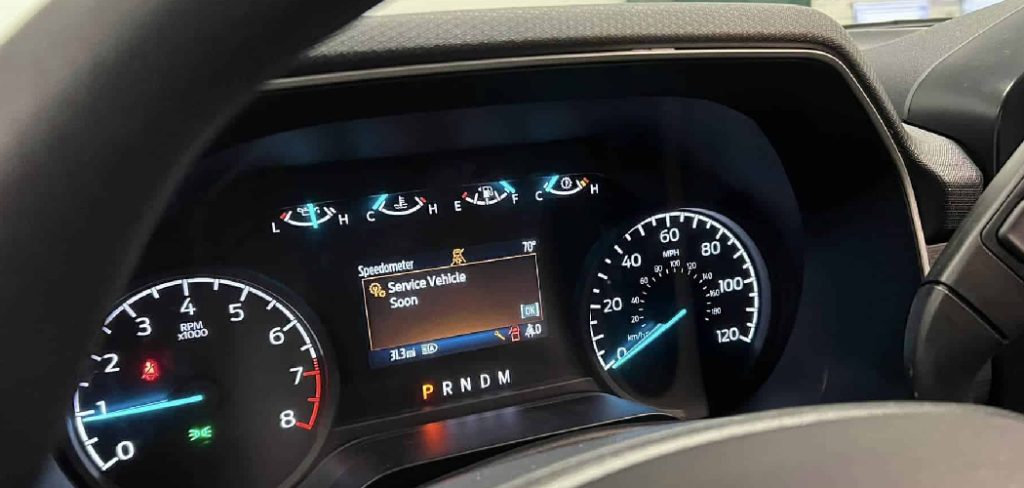
This uninvited oxygen forces the computer to inject extra fuel to prevent a lean misfire. That resulting combustion spike translates directly into elevated revolutions per minute. We will explore the specific hardware anomalies that might cause this frustrating condition.
The Mechanics Governing Engine Speed
Modern combustion systems operate on a highly precise mathematical balance. The engine control module acts as a strict gatekeeper for the air and fuel mixture. This digital brain constantly interprets sensor data to manage the throttle.
A disruption in this network often leads to unpredictable drivability issues. The hardware controlling your idle speed lives in a remarkably harsh environment. Intense thermal stress gradually degrades these sensitive components over years of daily driving.
The Delicate Air-Fuel Balance
Engines pull atmospheric air through a restrictive filter before it reaches the combustion chamber. The vehicle measures this exact volume of air using specialized sensors mounted near the intake box. Knowing the exact airflow allows the computer to calculate the required fuel volume.
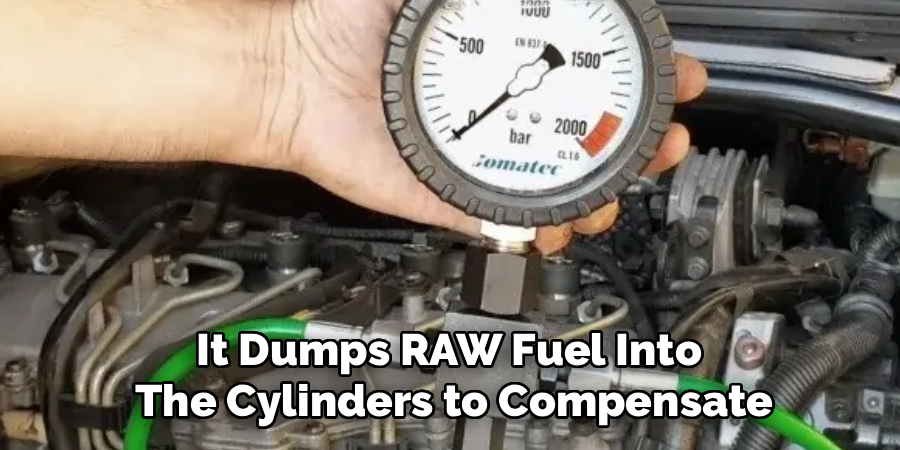
If air enters the engine without passing those sensors, the mathematical equation falls apart. The computer detects a lean condition through the exhaust sensors and panics. It dumps raw fuel into the cylinders to compensate, which drives the idle speed skyward.
The Role Of The Throttle Flap
Your accelerator pedal physically controls a metal butterfly valve located on the front of the engine. Pressing the pedal tilts this metal flap open, allowing massive amounts of air to rush inside. Releasing the pedal snaps the flap shut to limit that incoming airflow.
However, an engine needs a tiny amount of oxygen to keep running while you sit at a stop sign. A completely sealed throttle body would choke the motor instantly. Engineers bypass this closed flap using a tiny, computer-controlled idle passage.
Primary Causes to Consider When Learning To Fix High RPM in a Car
Recognizing the root cause of an elevated idle saves you from replacing perfectly functional parts. The automotive diagnostic process relies heavily on patient observation. Your vehicle will usually communicate its specific distress through physical symptoms.
We can isolate the majority of surging idle problems to three distinct hardware failures. These components manage the physical routing of air into the engine block. Finding the breach dictates your ultimate repair strategy.

Unmetered Air And Vacuum Leaks
The intake manifold operates under a constant state of deep vacuum while the engine runs. Dozens of small rubber hoses connect to this manifold to power various accessories. These rubber lines bake in the ambient engine heat for years until they lose their natural elasticity.
A hardened hose will eventually develop microscopic cracks near its connection points. The engine vacuum sucks ambient air directly through these tiny fissures. This creates a massive supply of unmetered oxygen that bypasses the primary airflow sensors completely.
Faulty Idle Air Control Valves
The idle air control valve manages the bypass airflow when your foot leaves the gas pedal. This small electric motor extends and retracts a plastic plunger to adjust the internal airway diameter. The computer moves this plunger constantly to stabilize the engine speed against varying loads.
Unfortunately, this valve handles air that carries microscopic droplets of vaporized engine oil. This oil bakes onto the plunger, forming a thick layer of sticky carbon sludge. A jammed plunger might stick in the wide-open position, causing the engine to race uncontrollably.

Sticky Or Dirty Throttle Bodies
The primary butterfly valve inside the throttle body must close completely against its metal housing. Over tens of thousands of miles, thick black soot accumulates exactly where the metal flap rests. This soot creates a physical wedge that props the valve open slightly.
Even a millimeter of unintended opening allows enough air inside to spike the idle to two thousand RPM. The return spring simply lacks the physical force to crush this hardened carbon barrier. A thorough mechanical cleaning usually restores the proper factory clearances.
Diagnostic Tools And Safety Preparation
Guessing at mechanical faults usually results in wasted money and immense frustration. You must gather empirical evidence before unbolting components from the engine bay. A few basic items will help you conduct a safe, analytical inspection.
Working near a running engine demands a high degree of situational awareness. Spinning belts and boiling coolant hoses present genuine physical hazards to careless mechanics. Proper setup minimizes the likelihood of an accidental injury in your driveway.
Securing The Vehicle For Testing
You must locate a perfectly flat patch of concrete before attempting any diagnostic work. Shift the transmission firmly into the park position and engage the emergency brake heavily. A surging engine can occasionally overpower the transmission brakes if the vehicle sits on a steep incline.
Place heavy wooden chocks behind the rear tires as an additional safety measure. You will need to inspect the engine bay while the motor idles at high speeds. Ensuring the chassis remains completely stationary is an absolute necessity.

Gathering Your Diagnostic Equipment
Locating an invisible vacuum leak requires a specific chemical approach. Purchase a pressurized can of specialized carburetor cleaner or raw unlit propane. You will use these flammable gases to probe the engine bay for hidden cracks.
Grab a basic metric socket set and a few clean microfiber towels for the physical disassembly phase. Sourcing a dedicated nylon detailing brush will help you scrub the delicate aluminum surfaces safely. You should also wear heavy nitrile gloves to protect your skin from the harsh cleaning solvents.
Step-by-Step Guide: How To Fix High RPM In Car
Tackling an erratic idle in your own garage could save you a significant amount of money. The diagnostic sequence follows a highly logical path of elimination. We address the simplest external factors before tearing into the electronic control systems.
This systematic approach minimizes mechanical stress on the expensive plastic components. Follow the sequence carefully to isolate the leak and rebuild the perimeter boundary. Proceeding with measured patience appears to ensure a much higher success rate.
Step 1: Perform A Visual Hose Inspection
Start your investigation by simply looking at the rubber plumbing traversing the top of the engine block. Trace every single black hose originating from the plastic air intake tube and the aluminum manifold. You are hunting for obvious tears, collapsed walls, or disconnected fittings.
Pay close attention to the thick hose connecting the brake booster to the intake plenum. A rupture in this massive line will instantly send the idle speed into the redline. Replacing a visibly damaged hose might resolve the entire issue within five minutes.
Step 2: Test For Vacuum Leaks Using Fluid
Invisible cracks require a chemical interrogation to reveal their location. Start the engine and let it idle at its current pace. Take your can of carburetor cleaner and attach the little red plastic straw to the nozzle.
Spray short, targeted bursts of the chemical along the base of the intake manifold and around the various vacuum hose connections. Listen very closely to the rhythm of the engine as you spray. If the chemical mist gets sucked into a hidden crack, the engine RPM will suddenly drop or stumble as it burns the rich solvent.
Step 3: Clean The Throttle Body Flap
If you rule out external vacuum leaks completely, turn your attention to the main airflow hardware. Shut the engine off and remove the large rubber intake boot clamped to the throttle body. Use your flashlight to inspect the metal butterfly valve hiding inside the aluminum barrel.
Spray a generous amount of throttle body cleaner onto your microfiber towel rather than directly into the engine. Push the metal flap open with your fingers and wipe the thick black soot from the inner walls. Scrub the edges of the brass plate until it can close perfectly tight against the surrounding metal.
Step 4: Isolate The Idle Air Control Valve
The bypass valve typically bolts directly to the side of the main throttle housing. Unplug the electrical connector carefully by depressing the brittle plastic locking tab. Remove the two small retaining bolts using your socket set.
Pull the valve away from the engine and inspect the plastic plunger at the tip. Soak your nylon brush in cleaning solvent and scrub the heavy carbon deposits off the pintle. Allow the unit to dry completely before reattaching it, taking care not to pinch the delicate rubber O-ring seal during installation.
Step 5: Reset The Engine Computer
Your vehicle’s control module possesses a dynamic memory system that learns over time. It previously adapted its fueling strategy to compensate for the massive vacuum leak or dirty valve. You must wipe this historical data after fixing the mechanical problem.
Disconnect the negative battery cable with a wrench and let the vehicle sit entirely dark for ten minutes. Reconnect the cable tightly and start the engine without touching the gas pedal. The computer will spend the next few minutes relearning its baseline idle parameters with the newly cleaned hardware.
When Software Causes Mechanical Headaches
Sometimes the physical hardware remains perfectly clean and structurally intact. The problem might actually reside within the digital data stream reporting back to the computer. A corrupted signal forces the control module to make terrible mathematical decisions.
We must consider the primary sensors that inform the air and fuel calculation. These electronic components degrade invisibly inside their plastic shells. A deep diagnostic scan may suggest an electrical replacement rather than a mechanical cleaning.
Evaluating The Mass Airflow Sensor
The mass airflow sensor sits directly behind the engine air filter box. It uses a superheated microscopic wire to measure the exact density of the incoming oxygen. If microscopic dust coats this hot wire, it acts as a thermal blanket that ruins the measurement accuracy.
The sensor tells the computer that massive amounts of air are entering the engine, even when the throttle is closed. The computer responds by elevating the idle speed to match the phantom air supply. Spraying the delicate wire with a specialized MAF cleaner often restores its precise measuring capabilities.
Temperature Sensor Anomalies
An engine operates entirely differently when it first wakes up on a freezing morning. The computer intentionally raises the idle speed to warm up the catalytic converters faster. It relies on the engine coolant temperature sensor to know exactly when the block reaches normal operating heat.
If this sensor breaks and permanently reports a freezing temperature, the computer will never drop the idle down to its warm baseline. The vehicle essentially stays trapped in a high-idle warm-up loop forever. Testing the sensor resistance with a digital multimeter could indicate if the unit requires immediate replacement.
Conclusion
An engine racing at a stoplight transforms a relaxing commute into a stressful, nerve-wracking ordeal. That surging tachometer needle usually indicates that your engine is fighting a severe imbalance of unmetered oxygen. Approaching this mechanical mystery systematically takes the terrifying guesswork out of the repair equation.
We highly recommend starting with the easiest external factors by visually inspecting your rubber vacuum hoses for obvious decay. Carefully clean the carbon sludge from your throttle body and bypass valves to ensure the computer maintains strict control over the internal airways. Knowing exactly how to fix high rpm in car empowers you to tackle complex drivability problems with academic confidence, ultimately restoring that quiet, peaceful idle you expect from a healthy vehicle.

About
Ora Hayes is a distinguished figure in the world of DIY Thecarfixes, with over a decade of expertise in automotive diagnostics and high-performance maintenance. Her professional focus lies in merging mechanical precision with modern digital tools, fostering repair solutions that are both cost-effective and highly reliable. As the author of Thecarfixes, Ora Hayes delves into the art and science of automotive restoration, inspiring car owners and hobbyist mechanics alike.
Education
RMIT University (Melbourne, Australia) Associate Degree in Automotive Engineering — Focus on vehicle dynamics, industry-driven repair protocols, and advanced diagnostics. Gained hands-on experience with traditional mechanical tools and modern ECU remapping software.
Nottingham Trent University (United Kingdom) Bachelor’s in Mechanical Design and Automotive Engineering (Honors) — Specialized in automotive systems with a focus on blending technical engineering with everyday usability. Participated in industry projects, working with leading automotive manufacturers to gain real-world insights into vehicle longevity.
Publications and Impact
In Thecarfixes, Ora Hayes shares her insights on troubleshooting complex engine issues, material durability, and strategies for efficient garage setups. Her writing bridges the gap between professional mechanic knowledge and the home enthusiast’s needs, making it a must-read for both everyday drivers and seasoned gearheads.