A slow tire leak can be frustrating, especially when the tire looks fine but keeps losing air overnight. One common cause is a leaking valve stem, the small rubber or metal part where you add air to the tire. If it fails, loosens, cracks, or collects dirt around the core, air can escape even when the tire has no puncture.
Learning how to fix a leaking valve stem on a tire can help you save time, avoid unnecessary tire replacement, and stay safer on the road. A small leak can turn into low tire pressure, poor fuel economy, uneven tire wear, or even a roadside emergency if ignored.
This guide explains how to confirm the leak, tighten or replace the valve core, decide when the full valve stem needs replacement, and know when to call a tire professional. The steps are beginner-friendly, practical, and focused on doing the job safely.
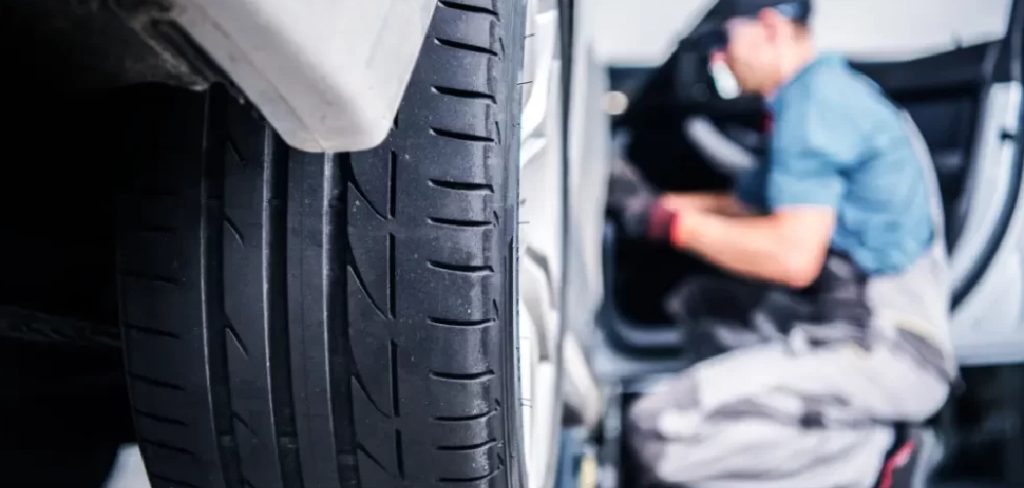
Why Fixing A Leaking Valve Stem Matters
A leaking valve stem may seem minor, but it affects how your tire performs every day. Low pressure can make the tire run hotter, reduce handling, increase braking distance, and wear the tread unevenly. Over time, this can shorten tire life and raise the risk of a blowout.
Fixing the issue promptly also helps you avoid repeated trips to the air pump. If the leak comes from the valve core, the repair may be quick and inexpensive. If the rubber stem is cracked or damaged, replacing it prevents bigger problems.
The main benefit is simple: proper tire pressure keeps your vehicle safer, smoother, and more efficient.
Step-By-Step Guide To How To Fix A Leaking Valve Stem On A Tire
Step 1: Park Safely And Check The Tire Pressure
Start by parking on a flat, stable surface away from traffic. Put the vehicle in park, set the parking brake, and let the tire cool if you have been driving. Hot tires can show higher pressure readings, which may make diagnosis less accurate.
Use a tire pressure gauge to check the current pressure. Compare the reading with the recommended pressure listed on the driver’s door jamb, not the maximum pressure on the tire sidewall. If the tire is very low, add enough air to help you find the leak more easily.
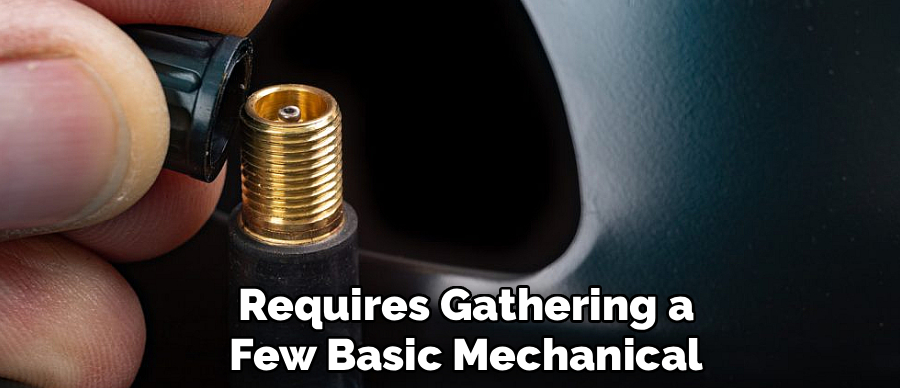
Step 2: Inspect The Valve Stem For Damage
Look closely at the valve stem before removing anything. Check for cracks, dry rubber, corrosion, bends, missing caps, or dirt packed around the opening. A rubber valve stem can age over time, especially if the vehicle sits outside in heat, cold, and sunlight.
Gently move the stem side to side with your fingers. Do not force it, but watch for bubbles of air or a hissing sound. If the stem looks split, loose, or badly worn, the problem may be the entire valve stem rather than just the small valve core inside it.
Step 3: Test For Air Leaks With Soapy Water
Mix a small amount of dish soap with water in a spray bottle or cup. Spray or dab the mixture around the valve stem, valve core opening, and the base where the stem meets the wheel. Watch closely for bubbles that keep growing.
Tiny foam from spraying is normal, but bubbles that expand show escaping air. This is one of the easiest ways to confirm where the leak is coming from. When diagnosing how to fix a leaking valve stem on a tire, this simple test helps you avoid guessing and replacing parts that are still working.
Step 4: Remove The Valve Cap And Check The Core
Take off the valve cap and set it somewhere safe. The valve core is the small threaded part inside the stem. It opens when you add air and seals shut when you remove the air hose. If it is loose, dirty, or damaged, it can cause a slow leak.
Look into the stem opening if you can. Dirt, moisture, or corrosion may prevent the core from sealing fully. If you hear air escaping from the center of the valve, the core is likely the problem. A valve core tool is the correct tool for tightening or removing it.
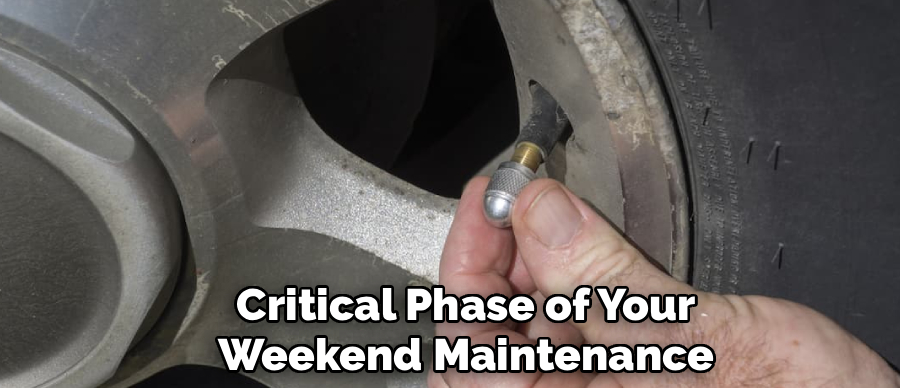
Step 5: Tighten The Valve Core Carefully
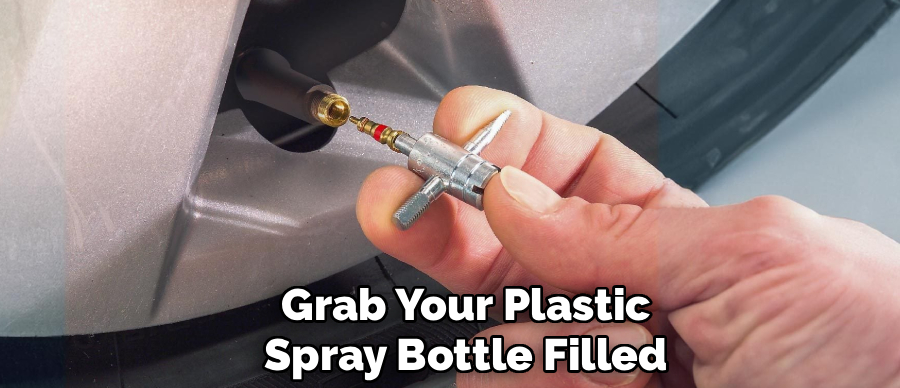
Place the valve core tool into the valve stem and turn it clockwise gently. You only need light pressure. Tightening too hard can damage the core or the stem threads, which can make the leak worse.
After tightening, add air to the tire until it reaches the recommended pressure. Then apply the soapy water again to the valve opening. If no bubbles appear, the loose core may have been the entire issue. This is often the quickest repair, but keep checking the tire pressure over the next day or two to confirm it holds steady.
Step 6: Replace The Valve Core If Needed
If tightening does not stop the leak, the valve core may need replacement. Use the valve core tool to turn the old core counterclockwise until it comes out. Air will escape quickly, so be ready for the tire to lose pressure during this step.
Thread the new valve core into the stem by hand using the tool, then tighten it gently. Reinflate the tire to the correct pressure and test again with soapy water. For many drivers, replacing the core is the most practical way to handle how to fix a leaking valve stem on a tire without removing the tire from the wheel.
Step 7: Decide If The Full Stem Needs Replacement
If bubbles appear at the base of the valve stem, the valve core is probably not the main issue. The rubber stem may be cracked, the seal may be failing, or corrosion on the wheel may be preventing a tight seal. In this case, the tire usually needs to be partially or fully removed from the rim.
Replacing a full valve stem is more involved than changing the core. Most people should have a tire shop do it because the bead must be broken safely and the tire may need balancing afterward. If you have tire pressure monitoring sensors, the repair may also involve sensor parts.
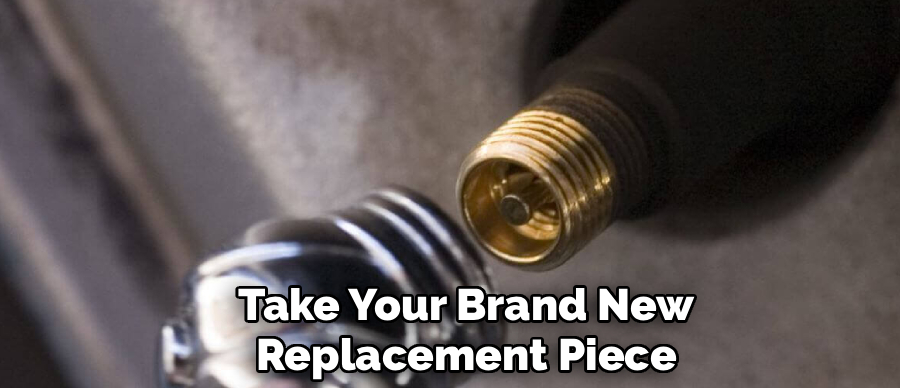
Step 8: Recheck Pressure And Monitor The Repair
Once the leak is repaired, inflate the tire to the recommended pressure and reinstall the valve cap. The cap is not the main air seal, but it helps keep dirt and moisture out of the valve stem. A clean valve area helps the core last longer.
Check the pressure again after a few hours, then the next day. If the tire keeps losing air, the leak may be from another source, such as a nail, bead seal, cracked wheel, or damaged tire sidewall. Do not keep driving on a tire that loses pressure quickly. Have it inspected before it becomes unsafe.
Frequently Asked Questions
Can I Drive With A Leaking Valve Stem?
You can drive a short distance if the leak is very slow and the tire still has proper pressure, but it is not something to ignore. A leaking stem can cause pressure loss while driving, which affects handling and braking. If the tire loses air quickly, do not drive on it. Inflate it only enough to reach a safe repair location.
How Do I Know If The Valve Core Or Stem Is Leaking?
Use soapy water to find the leak location. If bubbles form at the center opening of the valve, the valve core is likely loose or damaged. If bubbles form around the base where the stem meets the wheel, the full stem or seal may be failing. This test is simple, cheap, and usually very accurate.
Is Replacing A Valve Core A Permanent Fix?
Replacing a valve core can be a lasting fix if the core was the only problem. It is a small part, but it plays a major role in sealing air inside the tire. However, if the rubber stem is cracked, the wheel is corroded, or the tire has another leak, a new core will not solve the issue.
Do Tire Pressure Monitoring Sensors Affect Valve Stem Repairs?
Yes, some vehicles have tire pressure monitoring sensors attached to the valve stem inside the wheel. These systems may use special metal stems, seals, nuts, or sensor parts. If your vehicle has this setup, be careful when working on the valve. A tire shop can replace the seal or stem parts without damaging the sensor.
How Much Does It Cost To Fix A Leaking Valve Stem?
The cost depends on the cause. A valve core is usually inexpensive and may cost only a few dollars if you do it yourself. A full valve stem replacement at a shop may cost more because the tire often needs to be removed or reseated. Vehicles with tire pressure sensors can cost extra if seals or sensor parts are replaced.
Conclusion
A leaking valve stem is a small problem that can create bigger safety and tire wear issues if you ignore it. Start by checking the tire pressure, inspecting the stem, and using soapy water to locate the leak. If the valve core is loose or damaged, tightening or replacing it may solve the issue quickly.
If the leak comes from the base of the stem, the full stem likely needs professional replacement. Now that you know how to fix a leaking valve stem on a tire, take action early, monitor the repair, and keep your tires properly inflated for safer driving.

About
Ora Hayes is a distinguished figure in the world of DIY Thecarfixes, with over a decade of expertise in automotive diagnostics and high-performance maintenance. Her professional focus lies in merging mechanical precision with modern digital tools, fostering repair solutions that are both cost-effective and highly reliable. As the author of Thecarfixes, Ora Hayes delves into the art and science of automotive restoration, inspiring car owners and hobbyist mechanics alike.
Education
RMIT University (Melbourne, Australia) Associate Degree in Automotive Engineering — Focus on vehicle dynamics, industry-driven repair protocols, and advanced diagnostics. Gained hands-on experience with traditional mechanical tools and modern ECU remapping software.
Nottingham Trent University (United Kingdom) Bachelor’s in Mechanical Design and Automotive Engineering (Honors) — Specialized in automotive systems with a focus on blending technical engineering with everyday usability. Participated in industry projects, working with leading automotive manufacturers to gain real-world insights into vehicle longevity.
Publications and Impact
In Thecarfixes, Ora Hayes shares her insights on troubleshooting complex engine issues, material durability, and strategies for efficient garage setups. Her writing bridges the gap between professional mechanic knowledge and the home enthusiast’s needs, making it a must-read for both everyday drivers and seasoned gearheads.