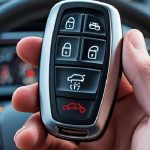
Getting stranded in a parking lot because your remote battery died is a frustrating experience for any driver. Modern push-button vehicles offer fantastic convenience, but they can leave you feeling helpless when the electronics suddenly fail. Fortunately, automotive engineers anticipated this exact problem and built hidden mechanical backup systems into every single vehicle. If you are currently sitting in the driver’s seat wondering exactly how to start my car with a dead key fob, you have arrived at the right place.
This comprehensive guide walks you through the simple, built-in methods designed to get your engine running without needing electrical power from your remote. Understanding these emergency procedures provides ultimate peace of mind and keeps you moving forward during unexpected battery failures. We will explain everything in clear, beginner-friendly terms so you can quickly and safely get back on the road.
Why Understanding These Emergency Procedures Matters
Knowing the manual override systems for your vehicle is an essential aspect of modern car ownership. Drivers often rely entirely on wireless signals to unlock doors and turn over engines, completely forgetting that these systems require small batteries to function. When those batteries inevitably drain, the resulting panic can cause significant delays in your daily schedule. By learning the physical backup methods, you completely eliminate the stress and anxiety associated with electronic failures.
You also save a considerable amount of money and time by avoiding unnecessary calls to roadside assistance or expensive towing services. Many drivers mistakenly believe their vehicle battery is dead or the starter has failed when the remote battery is the actual culprit. Having this knowledge empowers you to troubleshoot the situation accurately and resolve it independently within minutes. Furthermore, understanding your vehicle’s manual operations ensures you remain safe during late-night emergencies or severe weather conditions, allowing you to secure yourself inside the cabin and start the heater or air conditioning without waiting for outside help.
Step-By-Step Guide To How To Start My Car With A Dead Key Fob
Step 1: Access Your Vehicle
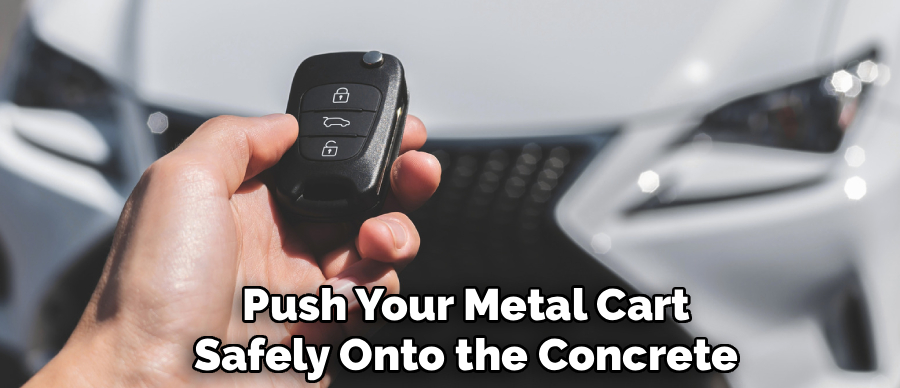
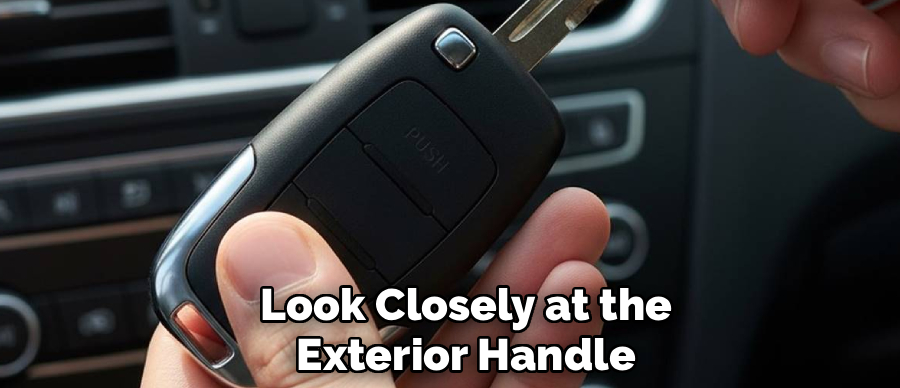
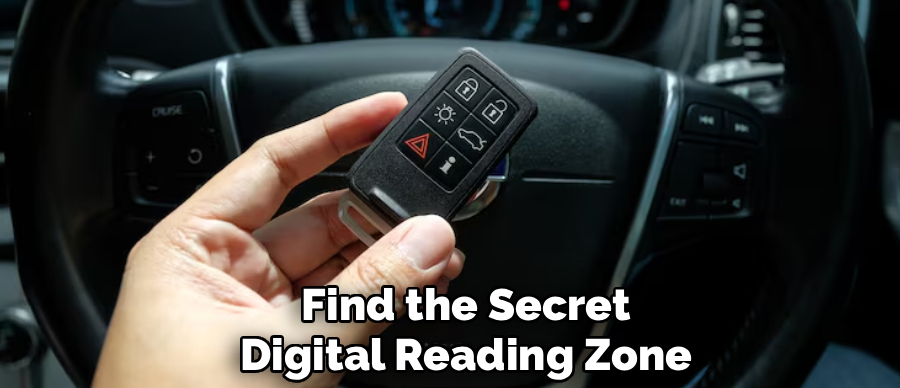
Before attempting to access your vehicle or start the engine, you must remain calm and assess your surroundings. Ensure you are standing in a safe area away from moving traffic while you examine your remote transmitter. Look closely at the physical casing of your remote to locate a small sliding switch or push button near the bottom edge. This release mechanism is designed to free the hidden mechanical key stored inside the casing. Taking a deep breath and examining the remote carefully prevents you from accidentally dropping or damaging the plastic components. Making sure your car focused will help you successfully deploy the mechanical backup system.
Step 2: Extracting The Hidden Mechanical Key
Once you locate the small release switch on your remote housing, press or slide it using your thumbnail. While holding the release mechanism in the open position, gently pull on the metal keyring loop at the top of the remote. A physical metal blade will slide smoothly out of the plastic housing. This hidden mechanical key is specifically cut to match the lock cylinders on your vehicle doors. Keep a firm grip on both the plastic remote housing and the metal blade, as you will need both pieces shortly. Storing the plastic housing in your pocket temporarily will keep it safe while you focus on unlocking the driver-side door.
Step 3: Locating The Hidden Door Lock Cylinder
Many modern vehicles conceal the exterior door lock cylinder to maintain a sleek, aerodynamic design. Walk over to the driver-side exterior door handle and look closely at the rear portion of the handle assembly. You will likely see a small plastic cap or cover sitting exactly where a traditional keyhole should be. Look underneath this plastic cap for a small slot perfectly sized for the tip of your mechanical blade. Insert the tip of the metal blade into the slot and gently pry outward to pop the cosmetic cover off the handle. Removing this cover reveals the traditional metal lock cylinder beneath it.
Step 4: Manually Unlocking The Driver Door
With the hidden lock cylinder now exposed, insert the mechanical metal blade fully into the keyhole. Turn the blade toward the front of the vehicle to unlock the locking mechanism. You should hear a distinct physical click indicating the latch has been released. Pull the exterior handle to open the door and climb into the driver’s seat. Be prepared for the vehicle security alarm to sound immediately upon opening the door.
The alarm triggers because the vehicle was unlocked manually rather than with the authorized wireless signal. Do not panic when the horn starts blaring, as the subsequent steps will disable the alarm and authorize the ignition sequence. Once you park the vehicle, simply use the primary electronic lock button located on the interior driver door panel before stepping outside.
Step 5: Positioning Yourself For The Ignition Sequence
Sit down in the driver’s seat and securely close the door behind you to minimize the noise from the security alarm. Ensure your foot is resting firmly on the brake pedal, exactly as you would during a normal engine starting sequence. You must maintain steady pressure on the brake pedal throughout the remainder of this procedure. Reassemble your remote by sliding the mechanical metal blade back into the plastic housing until it clicks securely into place. Holding the fully assembled remote in your right hand prepares you to interact with the push-button ignition system using the built-in emergency transponder.
Step 6: Locating The Push Button Ignition Switch
Look at your dashboard or center console to locate the circular engine start button. Depending on your specific vehicle manufacturer, this button might be located behind the steering wheel, near the climate controls, or integrated into the center console shifter area. Identify the exact location of the button and ensure there are no obstructions blocking your access to it. You will need to press this button directly using the physical casing of your remote rather than your finger. The internal microchip inside the remote can still communicate with the vehicle at extremely close range, even when the internal battery lacks the power to transmit a long-distance wireless signal.
Step 7: Activating The Emergency Transponder System

Bring the side of the plastic remote housing directly up to the engine start button. You need to physically touch the plastic casing of the remote against the surface of the ignition button. Some manufacturers require you to touch the end of the remote where the logo is printed, while others prefer the top edge. Hold the remote flush against the button for two to three seconds. This direct physical contact allows the passive transponder chip inside the remote to absorb enough ambient electromagnetic energy from the ignition switch to verify your security credentials and authorize the engine start sequence.
Frequently Asked Questions
Will The Alarm Stop Sounding Automatically?
The vehicle security alarm will continue to sound for several minutes after you manually unlock and open the door. It stops automatically only after it cycles through its programmed security duration. However, the most effective way to silence the blaring horn is to successfully complete the emergency ignition sequence. The moment the internal transponder chip authorizes the engine start, the main computer instantly recognizes you as the rightful owner and immediately disables the security alarm system.
Do I Need Special Tools To Remove The Door Lock Cover?
You absolutely do not need any special automotive tools to remove the cosmetic plastic cover from your exterior door handle. The hidden metal blade stored inside your remote is precisely engineered to fit into the release slot underneath the cap. By inserting the tip of the key and applying gentle outward leverage, the plastic piece will pop off cleanly without damaging the surrounding paint. You should never use screwdrivers or metal pry bars, as these will permanently scratch your vehicle.
Can I Drive Normally After Using This Emergency Method?
Yes, you can operate your vehicle completely normally after initiating the engine using the emergency transponder method. The mechanical systems and engine performance are entirely unaffected by the lack of wireless remote power. Your dashboard infotainment center, climate controls, and safety features will function exactly as they always do. The only limitation you face is that you will need to manually lock the doors using the interior door switch before exiting the vehicle at your final destination.
Does This Method Work For Every Vehicle Brand?
The physical contact method works for the vast majority of modern vehicles equipped with push-button ignition systems. Manufacturers utilize standardized passive transponder technology specifically designed to function without internal battery power. While the precise location of the hidden door lock or the exact orientation of the remote against the button might vary slightly between brands, the underlying mechanical principles remain identical. Checking your glovebox manual will provide specific diagrams for your exact make and model.
Where Should I Purchase A Replacement Battery?
You can purchase replacement lithium coin batteries at almost any local grocery store, electronics retailer, or automotive parts shop. These standard batteries are highly accessible and generally cost only a few dollars. It is highly recommended to replace the battery as soon as possible after experiencing a failure to restore full wireless functionality. Keeping a spare battery stored securely in your glovebox or center console ensures you will never have to perform this emergency procedure again.
Conclusion
Experiencing a sudden remote battery failure is a common inconvenience that no longer has to disrupt your daily routine. By familiarizing yourself with your vehicle’s mechanical lock cylinders and passive transponder systems, you retain complete control over your mobility regardless of electrical glitches. Now that you fully understand how to start my car with a dead key fob, you can approach this stressful situation with total confidence and expert precision. We strongly encourage you to practice removing the physical blade and locating your hidden door lock today, while your remote is still functioning perfectly. Taking five minutes to rehearse these steps right now guarantees you will know exactly what to do when an unexpected emergency finally strikes.

About
Ora Hayes is a distinguished figure in the world of DIY Thecarfixes, with over a decade of expertise in automotive diagnostics and high-performance maintenance. Her professional focus lies in merging mechanical precision with modern digital tools, fostering repair solutions that are both cost-effective and highly reliable. As the author of Thecarfixes, Ora Hayes delves into the art and science of automotive restoration, inspiring car owners and hobbyist mechanics alike.
Education
RMIT University (Melbourne, Australia) Associate Degree in Automotive Engineering — Focus on vehicle dynamics, industry-driven repair protocols, and advanced diagnostics. Gained hands-on experience with traditional mechanical tools and modern ECU remapping software.
Nottingham Trent University (United Kingdom) Bachelor’s in Mechanical Design and Automotive Engineering (Honors) — Specialized in automotive systems with a focus on blending technical engineering with everyday usability. Participated in industry projects, working with leading automotive manufacturers to gain real-world insights into vehicle longevity.
Publications and Impact
In Thecarfixes, Ora Hayes shares her insights on troubleshooting complex engine issues, material durability, and strategies for efficient garage setups. Her writing bridges the gap between professional mechanic knowledge and the home enthusiast’s needs, making it a must-read for both everyday drivers and seasoned gearheads.