A clean cabin makes every drive feel better, safer, and more comfortable. Dust, food crumbs, pet hair, spilled drinks, fingerprints, and odors can build up fast, even if you keep your car fairly tidy. Learning how to detail your car interior helps you go beyond a quick wipe-down and gives your vehicle a deeper, longer-lasting clean.
Interior detailing means cleaning, refreshing, and protecting the inside surfaces of your car. This includes seats, carpets, mats, dashboard, door panels, cup holders, vents, glass, and small hidden areas that often get missed. You do not need to be a professional to get great results. With the right tools, simple steps, and a little patience, you can make your car’s interior look, smell, and feel much closer to new.
Why Interior Detailing Matters
Interior detailing is about more than appearance. A clean interior helps protect your car’s value, improves comfort, and creates a healthier space for you and your passengers. Dirt and grit can wear down fabric, leather, vinyl, and plastic over time. When you remove that buildup and apply the right protectants, your interior materials can last longer.
A detailed cabin can also improve air quality. Dust, pollen, pet dander, and crumbs can settle into carpets, vents, and seat seams. If ignored, they may cause bad smells and make allergies worse. Regular detailing helps remove these contaminants before they become harder to clean.
Step-By-Step Guide To How to Detail Your Car Interior
Step 1: Gather Your Tools And Products
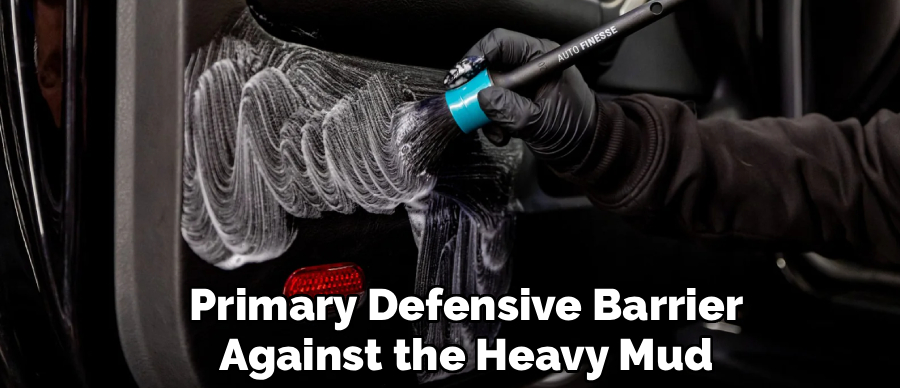
Start by collecting everything you need before you begin. This saves time and keeps you from stopping mid-clean. You will need a vacuum with attachments, microfiber towels, soft detailing brushes, an interior cleaner, glass cleaner, carpet cleaner, and a protectant for plastic or vinyl surfaces.
If your car has leather seats, use a leather-safe cleaner and conditioner. For cloth seats, choose an upholstery cleaner. Avoid harsh household products, as they can stain, dry out, or damage interior materials. Work in a shaded area so cleaners do not dry too quickly on hot surfaces.
Step 2: Remove Trash And Personal Items
Clear the entire cabin before cleaning. Take out trash, receipts, bottles, toys, loose change, chargers, and anything stored in the doors, cup holders, glove box, center console, and seat pockets. Remove floor mats and set them aside for separate cleaning.
This step may seem basic, but it makes the rest of the job much easier. You can see stains, crumbs, dust, and hidden messes more clearly once the clutter is gone. It also helps prevent small items from getting sucked into the vacuum or damaged by cleaning products.
Step 3: Vacuum From Top To Bottom
Vacuuming should come before wiping and shampooing because it removes loose dirt first. Start with the seats, then move to the console, carpets, floor mats, and trunk area if needed. Use a crevice tool for tight spaces between seats, along seat rails, and near the center console.
Move the seats forward and backward to reach hidden debris. Use a soft brush attachment on delicate surfaces. Take your time around seams, stitching, and corners, where crumbs and hair often collect. A careful vacuum job sets the foundation for a cleaner finish.
Step 4: Learn Car Interior Surfaces Properly
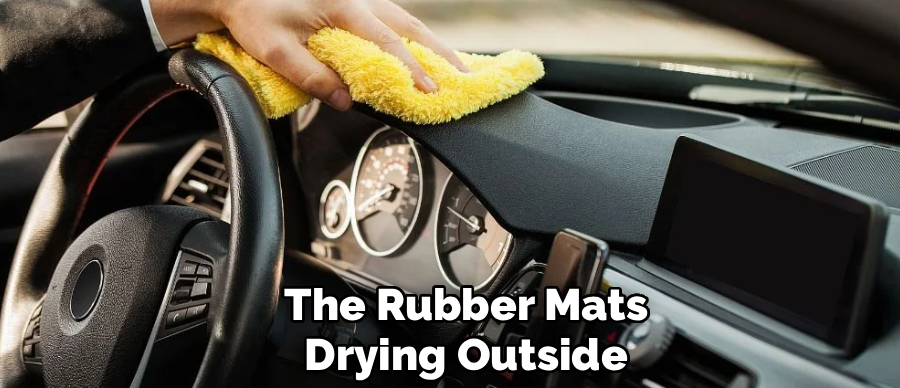
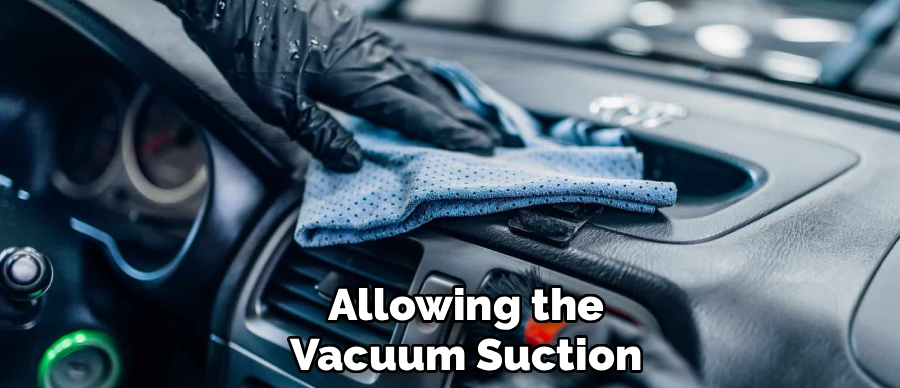
Now clean the dashboard, steering wheel, center console, door panels, handles, buttons, and trim. Spray cleaner onto a microfiber towel rather than directly onto electronics or screens. Wipe gently and use a soft brush around vents, buttons, seams, and textured surfaces.
The steering wheel, gear shifter, and door handles often hold the most oils and grime because they are touched often. Clean these areas well, but avoid soaking them. For touchscreens and gauge clusters, use a product made for screens or a lightly damp microfiber towel to prevent scratches.
Step 5: Deep Clean Seats And Upholstery
Clean your seats based on their material. For cloth seats, apply upholstery cleaner lightly and work it in with a soft brush. Do not oversaturate the fabric, as too much moisture can lead to odors or mildew. Blot with a clean towel and let the seats dry fully.
For leather seats, use a leather cleaner and a soft cloth or brush. Work in small sections and wipe away residue. Once clean, apply a leather conditioner if recommended for your seat type. This helps keep leather soft and reduces cracking over time.
Step 6: Clean Carpets And Floor Mats
Carpets and mats take the most abuse, especially in wet or muddy weather. After vacuuming, treat stains with a carpet cleaner. Let the product sit briefly, then gently scrub with a brush. Wipe or extract the moisture with a clean towel or wet-dry vacuum if available. You must use a dedicated automotive glass cleaner rather than standard household ammonia products, as harsh ammonia permanently damages aftermarket window tints.
Rubber mats can be rinsed, scrubbed, and dried outside the car. Make sure they are completely dry before placing them back inside. Damp mats can trap moisture and create bad smells. Clean carpets make the whole cabin feel fresher.
Step 7: Use Techniques For Glass And Vents
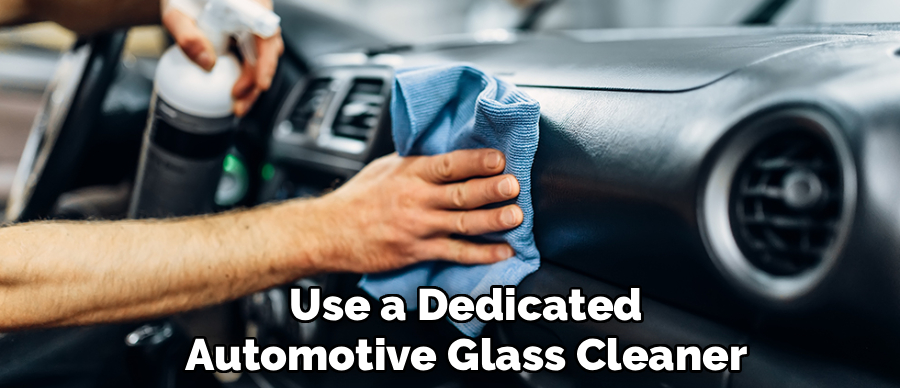
Interior glass often collects haze from dust, oils, and air conditioning residue. Spray glass cleaner onto a microfiber towel and wipe the inside of the windshield, side windows, mirrors, and rear glass. Use a second dry towel to buff away streaks.
Vents also need attention because they collect dust that can blow back into the cabin. Use a small detailing brush to loosen dust from the slats. Then wipe around the vent area with a microfiber towel. Clean glass and vents improve both visibility and air freshness.
Step 8: Protect Surfaces And Add Final Touches
Once everything is clean and dry, apply a protectant to plastic, vinyl, and rubber surfaces if suitable. Choose a low-gloss finish for a clean, natural look. Avoid greasy products, especially on the steering wheel, pedals, or gear shifter, because slippery surfaces can be unsafe for leather seats, use a leather cleaner and a soft cloth or brush.
Do a final inspection in good light. Check cup holders, seat tracks, mirrors, door pockets, and under the seats. Replace the dry floor mats, organize your items, and open the doors for a few minutes to let the cabin air out. The result should feel clean, fresh, and comfortable.
Frequently Asked Questions
How Often Should I Detail My Car Interior?
Most drivers should detail the interior every three to four months. If you have kids, pets, allergies, or a long daily commute, you may need to do it more often. Light weekly cleaning helps reduce buildup between deeper details. Vacuuming, wiping touch points, and removing trash regularly will make full interior detailing faster and easier each time.
What Products Should I Avoid Inside My Car?
Avoid bleach, ammonia-based cleaners, harsh degreasers, and abrasive scrub pads. These can damage leather, vinyl, plastic, screens, and tinted windows. Strong household cleaners may also leave residue or cause fading. Always use products made for automotive interiors when possible. If you are unsure, test the cleaner on a small hidden area first before applying it to a visible surface.
Can I Detail My Car Interior Without Special Equipment?
Yes, you can get good results with basic tools. A vacuum, microfiber towels, soft brushes, interior cleaner, glass cleaner, and upholstery or leather cleaner are enough for most vehicles. Professional tools like steam cleaners and extractors can help with heavy stains, but they are not required for routine cleaning. Careful technique matters more than expensive equipment.
How Do I Remove Bad Smells From My Car Interior?
Start by removing the source of the odor. Check under seats, in cup holders, in storage pockets, and in the trunk. Vacuum thoroughly, clean fabrics, wipe hard surfaces, and let the interior dry completely. Replace or check the cabin air filter if smells come from the vents. Avoid simply covering odors with air fresheners, since that does not solve the problem.
Is It Safe To Use Water On Car Seats And Carpets?
Small amounts of water are usually safe on cloth seats and carpets, but too much can cause problems. Oversaturation may lead to mildew, stains, or lingering odors. Use cleaners lightly and blot moisture with towels. Keep doors open while drying if weather allows. For leather seats, avoid soaking the surface and use leather-safe products instead.
Conclusion
Interior detailing is one of the best ways to protect your vehicle, improve comfort, and make every drive more enjoyable. By clearing clutter, vacuuming carefully, cleaning each surface correctly, washing seats and carpets, polishing glass, and protecting trim, you can achieve a cleaner cabin without professional help.
Start with simple tools and work one section at a time. The more often you maintain your interior, the easier each detail becomes. With patience and the right method,how to detail your car interior becomes a practical skill that keeps your car looking better, smelling fresher, and feeling more pleasant every day.

About
Ora Hayes is a distinguished figure in the world of DIY Thecarfixes, with over a decade of expertise in automotive diagnostics and high-performance maintenance. Her professional focus lies in merging mechanical precision with modern digital tools, fostering repair solutions that are both cost-effective and highly reliable. As the author of Thecarfixes, Ora Hayes delves into the art and science of automotive restoration, inspiring car owners and hobbyist mechanics alike.
Education
RMIT University (Melbourne, Australia) Associate Degree in Automotive Engineering — Focus on vehicle dynamics, industry-driven repair protocols, and advanced diagnostics. Gained hands-on experience with traditional mechanical tools and modern ECU remapping software.
Nottingham Trent University (United Kingdom) Bachelor’s in Mechanical Design and Automotive Engineering (Honors) — Specialized in automotive systems with a focus on blending technical engineering with everyday usability. Participated in industry projects, working with leading automotive manufacturers to gain real-world insights into vehicle longevity.
Publications and Impact
In Thecarfixes, Ora Hayes shares her insights on troubleshooting complex engine issues, material durability, and strategies for efficient garage setups. Her writing bridges the gap between professional mechanic knowledge and the home enthusiast’s needs, making it a must-read for both everyday drivers and seasoned gearheads.