Let’s be honest: finding out your Honda key fob has mysteriously lost contact with your car can bring your morning to a screeching halt. You jiggle the buttons—nothing. Panic’s first cousin, irritation, creeps in fast. Dealers will fix it, of course, but you might lose your lunch break and a wad of cash in the process. The reality? Often, you can reprogram your Honda key yourself, right in the driveway, without much in the way of tools or technical jargon.
Is it foolproof? Maybe not on your first go—timing can be tricky, and not every model is as cooperative as the next. Still, with a bit of patience and preparation, there’s a good chance you’ll get back to unlocking your car like nothing ever happened. In the following guide on how to reprogram honda key, I’ll walk you through the preparation, possible pitfalls, and all those small details manuals usually gloss over.
Types of Honda Keys
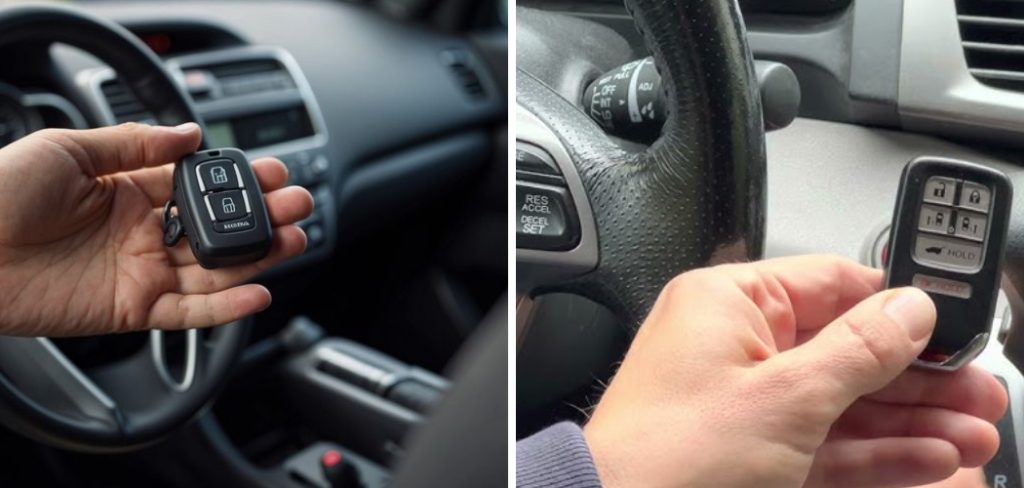
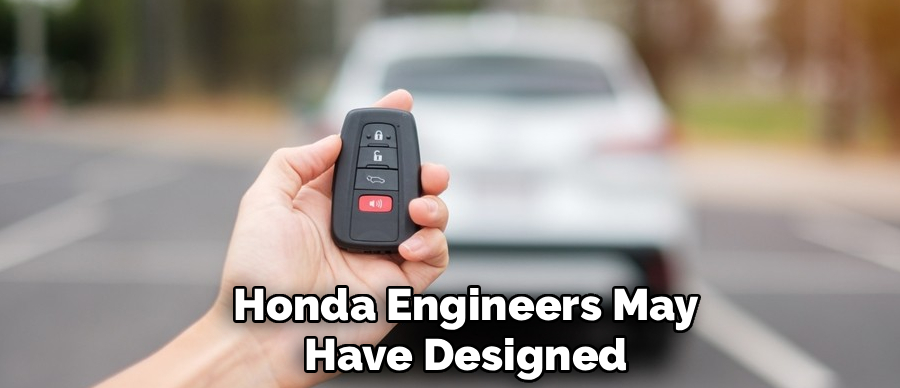
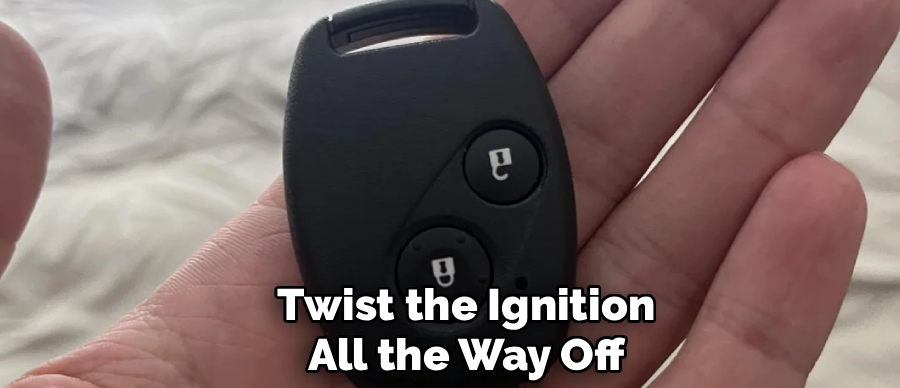
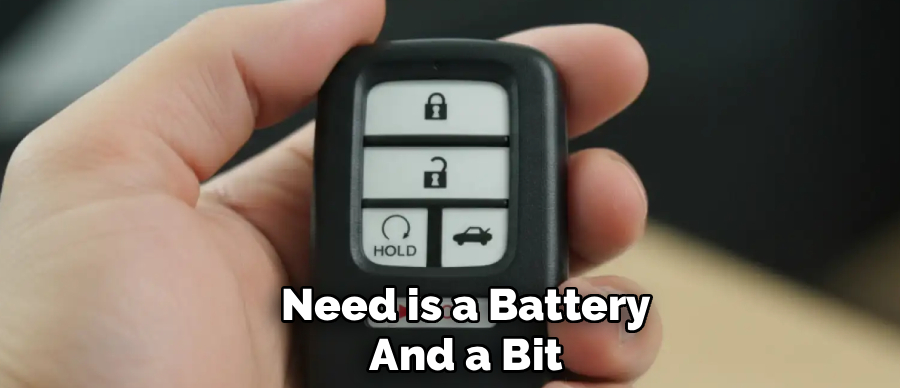
First up, you’ll need to know what you’re working with. Is yours an old-school transponder key? These look basic—just a chunk of plastic with a tiny chip inside—yet that humble microchip is what talks to your ignition. Or perhaps you have a key fob with buttons for locking, unlocking, the works, and a slim steel blade inside. More recent Hondas come with smart keys. No blade on show, sometimes no need to touch the key at all—just stroll up and the doors greet you. Push-button start, keyless entry—the works. I raise this because your programming sequence will shift depending on which one you have. Knowing this saves grief later.
Important Things to Know Before You Start
Here’s where things get real: programming your key isn’t hard, but it has to be done in a very particular way. Slow down even a little bit, and you might find yourself back at square one, wondering whether you missed a step. My advice? Read through the steps a couple of times before climbing into your car. That way, you’re primed for the quick moves that are coming.
A word of warning: Bring every key fob you want to keep working into the car with you, not just the one that’s troubled you. In the programming process, your Honda erases all previous memory. Any key not present at the party won’t work when you’re done. It sounds draconian, but there’s a security logic behind it. Still, forgetting this step leads to plenty of headaches—and more than a few phone calls to locksmiths.
Tools and Materials You’ll Need
You don’t need a toolbox for this, but a few small items help avoid a scramble halfway through. Gather:
- Every remote you plan to program
- The main ignition key (the actual blade key)
- A new CR2032 battery—Honda fobs tend to favor this size
- A thin flathead screwdriver, handy when you need to crack open the fob to swap a battery
7 Simple Step-By-Step Guidelines on How to Reprogram Honda Key
Step 1: Gather All Your Keys and Enter the Vehicle
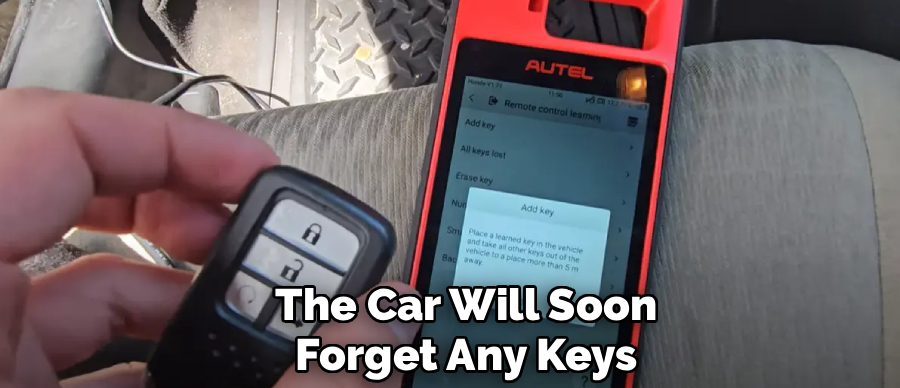
Round up every remote. Yes, all of them. I know, it seems tedious, but the car will soon forget any keys that don’t come along for the ride. Hop into the driver’s seat and make sure all doors are firmly closed and unlocked. The programming won’t proceed if a door is even slightly ajar—your Honda’s security system is stubborn that way. Settle in, keys at the ready, and remind yourself not to linger during the steps ahead.
Step 2: Turn the Ignition to the On Position
Slip your key into the ignition and twist it up to “On” (labelled “II” on some models). The dashboard should light up, maybe the fuel pump hums to life, but stop there; don’t start the engine. Starting the car will immediately interrupt the entire process. Keep your hand loose on the key—you’ll be flipping between on and off in the next moments, and speed is going to matter.
Step 3: Press the Lock Button on Your Key Fob
Now things move fast. As soon as your dash lights up, hit the “Lock” button on your key fob. There’s no need to hold it down, just a quick, solid press—a second is plenty. If you want to fuss, aim the remote at the steering wheel or center console. I’m a little skeptical that it makes much difference, but it can’t hurt. Most importantly, this all needs to happen within five seconds, or you risk being locked out of the programming mode. Be ready to shift gears (figuratively!) as the next step comes quickly.
Step 4: Turn the Ignition Off and Repeat the Cycle
Immediately after you press “Lock,” flick the ignition back to “Off” (“I” or “0”). Don’t pull the key out; keep it planted. Once the dashboard goes dark, repeat: up to “On,” “Lock” button, and back off. You need to do this whole set—on, lock, off—three times, pretty briskly. Honda engineers may have designed the repetition as a sort of “are you sure?” check. Either way, lose your rhythm and you risk botching the sequence. Aim to keep each part under five seconds—set a mental beat if it helps.
Step 5: Listen for the Door Locks to Cycle
Fourth time’s the charm: as you turn the key to “On” and press “Lock” yet again, freeze. Listen. The car’s door locks should click—mechanical and unmistakable. This is Honda’s low-tech way of telling you it’s ready to accept new remotes. No click? Probably means you paused too long or missed the timing. If that’s the case, take out the key, open and close the driver’s door, and begin again at step one. Annoying, but not fatal.
Step 6: Program Your Additional Key Fobs
Congratulations, you’re in programming mode, but the clock is against you now. You’ve got about five seconds after that click to begin programming spares. Press the “Lock” button once on each of your other remotes, one after another. Listen for the door locks to cycle with each other—think of it as your car’s way of nodding in recognition. Up to three or four remotes can usually be saved at once, depending on your model. Don’t dawdle—if too much time passes, the car will quietly exit programming mode with no warning.
Step 7: Exit Programming Mode and Test the Keys
Once every remote has been introduced and you’ve heard the doors unlock, twist the ignition all the way off and remove the key. That’s the nudge your Honda needs to save everything. Get out, shut the door. Now, test each fob in turn—lock, unlock, panic if you dare—just to confirm everyone’s talking to the car. If a remote isn’t working, the issue is usually the battery, but sometimes it just missed the programming window. You might have to start the whole affair once more, which is no one’s favorite pastime.
Following these steps on how to reprogram honda key fob, you can easily resolve any issues with your key fob and get back on the road. It’s important to regularly check and replace the battery in your key fob to avoid any future problems.
Common Mistakes to Avoid
It’s easy to fumble the pace—wait too long during any cycle and you’ll quietly lose your shot at programming. Another slip: forgetting that all your spares need to be present, risking their sudden silence.
And—it bears repeating—make sure those car doors are well and truly closed. Leave even one open, and you’ll be left cursing under your breath.
Do You Need To Use Professionals?
Old-school keys and basic fobs? Most can be tamed at home. The newer smart systems with push-to-start are a different beast. Without specialized computer tools, there’s no backdoor into the system if you’ve lost your master key or are dealing with the latest model. If you fall into that camp, you may have no choice but to call a locksmith or the dealership. Their diagnostic gear is the only ticket in.
How Much Will It Cost?
If all you need is a battery and a bit of patience, you could be reprogramming your key for the cost of your morning coffee. Walk into a dealership, though, and the numbers change dramatically. Expect labor charges to land somewhere between $50 and $150, depending on where you are, and whether you need to buy a new smart key, the bill can swell to $300 or even $400. It’s not always daylight robbery, but the difference is notable.
Tips to Maintain Your Key Fob
A little care goes a long way. Don’t toss your fob on hot dashboards or leave it baking in summer heat. The battery’s small, and it wears out extremely fast. Avoid tossing your keys on hard surfaces; one good drop can crack a circuit board. Try to swap out the battery every year or so, before it gives up entirely—it’s cheap insurance against another programming session.
Frequently Asked Questions
Q1: Can I Reprogram a Honda Key Fob Without the Original Key?
It depends. If your Honda needs a physical turn of the ignition to begin programming, you need a properly cut key—no way around it. No key, no access. You’ll be calling a locksmith to handle the first step for you.
Q2: Why Did My Key Fob Suddenly Stop Working?
Almost always, the humble battery is to blame. Wet keys, exposure to magnets, or a drop may sometimes corrupt a fob, but in most cases, simply sliding in a fresh battery and following the reprogramming steps gets things back on track.
Q3: Will Programming a New Key Erase My Old Ones?
It will. When you enter programming mode, your car wipes the slate clean. That’s by design—if a key is lost or stolen, you want all copies off the system. Remember, every remote you want to keep has to be involved in the same session or it won’t work.
Conclusion
A recalcitrant Honda key fob isn’t a disaster—not if you’re willing to pay attention to the quirks of timing and sequence. Bring every remote, keep your doors shut, and move through the steps decisively.
With a little practice, you’ll have your remotes syncing up in minutes—wallet intact and schedule mostly unharmed. Thanks for reading this guide on how to reprogram honda key.

About
Ora Hayes is a distinguished figure in the world of DIY Thecarfixes, with over a decade of expertise in automotive diagnostics and high-performance maintenance. Her professional focus lies in merging mechanical precision with modern digital tools, fostering repair solutions that are both cost-effective and highly reliable. As the author of Thecarfixes, Ora Hayes delves into the art and science of automotive restoration, inspiring car owners and hobbyist mechanics alike.
Education
RMIT University (Melbourne, Australia) Associate Degree in Automotive Engineering — Focus on vehicle dynamics, industry-driven repair protocols, and advanced diagnostics. Gained hands-on experience with traditional mechanical tools and modern ECU remapping software.
Nottingham Trent University (United Kingdom) Bachelor’s in Mechanical Design and Automotive Engineering (Honors) — Specialized in automotive systems with a focus on blending technical engineering with everyday usability. Participated in industry projects, working with leading automotive manufacturers to gain real-world insights into vehicle longevity.
Publications and Impact
In Thecarfixes, Ora Hayes shares her insights on troubleshooting complex engine issues, material durability, and strategies for efficient garage setups. Her writing bridges the gap between professional mechanic knowledge and the home enthusiast’s needs, making it a must-read for both everyday drivers and seasoned gearheads.