There’s nothing quite like that hollow, tinny rattle echoing from underneath your car—it’s disconcerting and, after a few miles, outright annoying. When you start hearing that sound, chances are good the exhaust system is the culprit. Left unchecked, what might seem like a minor irritation could well turn into a larger (and pricier) headache down the road.
Still, before you rush to the mechanic, it’s worth noting that many exhaust rattles don’t require specialized tools or years of automotive experience to identify and address. In fact, most folks with a bit of caution and patience can trace the source of the racket and make repairs right at home. Let’s break down what you need, what you’re likely to find, and how to set things right—without losing your sanity (or your Saturday). In this guide on how to fix a rattling exhaust, we will learn everything you need to know about exhaust systems and how to troubleshoot common issues.
Common Causes of Exhaust Rattles
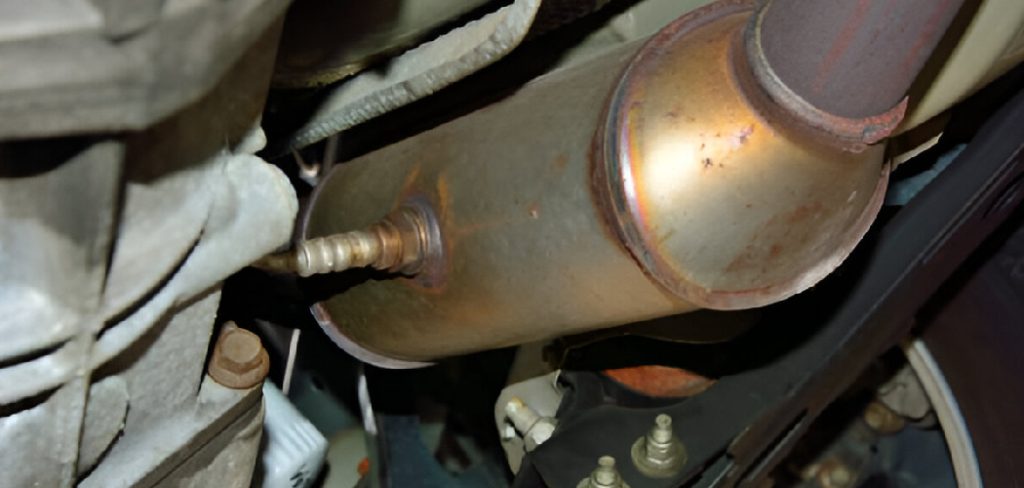
Exhaust rattles can stem from a variety of issues, many of which are relatively simple to identify. One common culprit is loose or damaged hangers that fail to keep the exhaust system securely in place. Over time, these supports can wear out, causing the exhaust pipes or muffler to vibrate and produce an unsettling noise. Another frequent cause is rust or corrosion, which can weaken the exhaust components, leading to holes, cracks, or structural instability.
Additionally, debris or small objects may become lodged within the exhaust system, particularly in the muffler, creating rattling sounds as the car moves. Heat shields, typically designed to protect surrounding components from excessive heat, can also come loose over time, creating a metallic rattling noise. Keeping an ear out for these signs and inspecting your vehicle regularly can make pinpointing and addressing the problem much easier.
Tools and Materials You’ll Need
- Jack and a jack stand or a vehicle lift
- Wrench set
- Socket set
- Flathead screwdriver
- Rubber mallet
- Penetrating oil/lubricant spray
- Replacement exhaust components (if necessary)
7 Simple Step-By-Step Guidelines on How to Fix a Rattling Exhaust
Step 1: Elevate and Secure Your Vehicle Safely
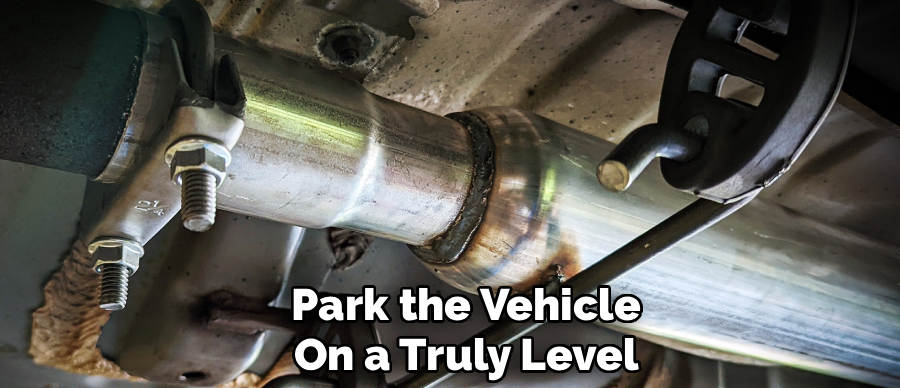
Let me be clear: crawling under a car that isn’t safely supported is an invitation to disaster. Park the vehicle on a truly level surface—think smooth concrete, not that patch of gravel beside the lawn. Engage the parking brake. Wedge chocks against the rear tires. Slide your jack under the proper factory lift point (there’s usually a little arrow or indentation if you check the sill) and ease the car up, one slow pump at a time, until you have ample room to slide underneath.
Jack stands go next, positioned under reinforced points. Gently lower the car so it rests squarely. Give the bumper a shake—nothing should budge. Only now should you even think about slipping under the vehicle, and not without those safety glasses. Gravity plus rust plus eyeball? Never a good equation.
Step 2: Inspect the Heat Shields for Damage or Looseness
If you had to bet on a reason for the clatter, heat shields would be a solid favorite. These flimsy aluminum panels guard your car’s underside from the inferno of the exhaust, but they’re held on by a handful of bolts that—given enough winters and salt—tend to rust or loosen.
Shine your light and follow the course of the exhaust. Gently tap the shields with a tool handle. Metallic jingling? Likely, you’ve found the problem. Sometimes, repair is as simple as sandwiching a large washer over a corroded hole and retightening the bolt. Other times, an oversized hose clamp—looped around the shield and the exhaust pipe—offers an effective, if inelegant, fix. It doesn’t much matter as long as the noise (and the shield) stays put.
Step 3: Check the Condition of the Rubber Exhaust Hangers
Suspended by a zigzag of rubber mounts, the exhaust is designed to flex and sway as your car tackles potholes and driveways. Over time, these rubber supports dry out, crack, or even snap, especially after a few years baking above hot asphalt.
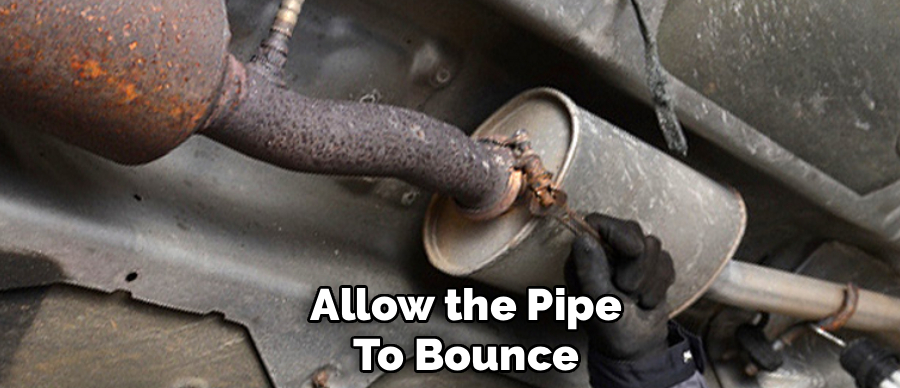
Crawl under and eyeball each hanger. Limp or missing ones allow the pipe to bounce and bang against metal with every bump. Swapping a failed hanger is child’s play: spray lubricating fluid on the metal pegs, pry off the worn rubber, and muscle the replacement into place. Not glamorous, but it works.
Step 4: Examine the Exhaust Clamps and Joints
Exhaust systems don’t run in a single piece; they’re a patchwork of pipes, each snuggled to the next with a clamp. These junctures are magnets for rust and damage, especially if you’ve ever scraped the undercarriage.
Trace each connection, tug gently. If a clamp feels loose or deeply corroded, it’s a suspect. Soak stubborn nuts, then try tightening. If a clamp’s beyond saving, remove and replace it—the new clamp should match the diameter and style. An ill-fitting band or U-bolt won’t hold long.
Step 5: Look for Cracks or Holes in the Exhaust Pipes
Sometimes, harsh rattling mixes with an engine note more suited to a go-kart track. That usually signals a physical break in the pipe. Condensation inside the exhaust causes rust from within, while road debris may bash or puncture the outside.
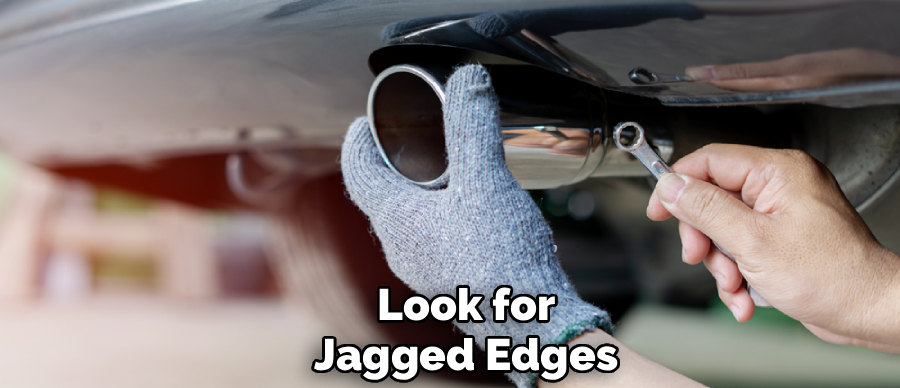
Run gloved fingers along the pipes. Look for jagged edges, telltale black smears, or splits in the metal. Small openings can (sometimes) be handled with a generous smear of exhaust paste or a fiberglass wrap, but don’t kid yourself: a yawning rust hole or a pipe with daylight visible right through it means replacement. Shortcuts here rarely pay off.
Step 6: Test the Catalytic Converter and Muffler Internals
If you’ve tightened, replaced, and re-secured every outward part and the noise lingers, the trouble may lurk inside the muffler or catalytic converter. Both components have inner baffles or ceramic honeycomb structures prone to breakage after years on the road or a single hard knock.
With the car cold, rap smartly on these parts. A metallic rattle—like pebbles in a tin—suggests the internals have let go. These parts cannot be patched from the outside. Once the insides start to collapse, full replacement is the only real solution if you hope to pass emissions testing and rid your car of that persistent clatter.
Step 7: Lower the Vehicle and Perform a Test Drive
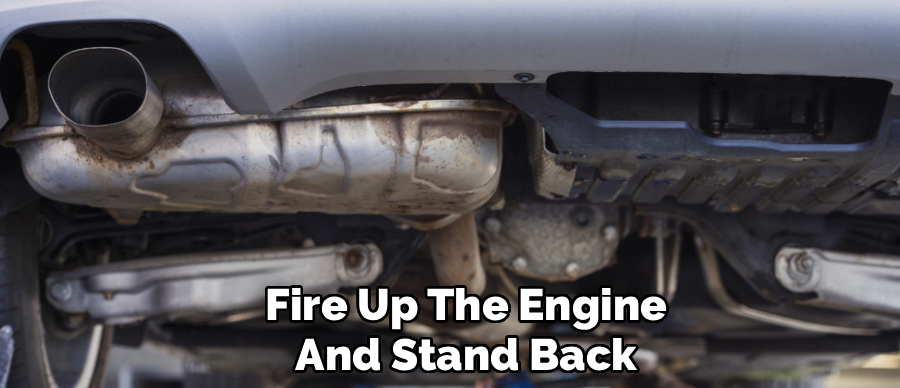
With repairs done, double-check for stray wrenches or rags perched atop the exhaust—fire risk is no joke. Carefully raise the car, draw out the jack stands, and set it gently back on the ground. Fire up the engine and stand back. No rattle? Good start. Take the vehicle for a spin—over bumps, around corners. If the noise is finally gone, breathe easy. If not, it may be worth another crawl underneath.
Following these steps on how to fix a rattling exhaust can help save you time and money in the long run. Regular maintenance is key to preventing exhaust issues, but when they do occur, it’s important to address them promptly to avoid potentially dangerous situations on the road.
Common Mistakes to Avoid
It seems obvious, but getting burned on a hot exhaust happens more than you’d think—always let things cool. Trusting a hydraulic jack alone is playing with fire; they’re notorious for letting go at the worst possible moment.
Those cheap plastic zip ties? They melt in seconds next to hot steel. Don’t ask how I learned that lesson. Cranking down on a rusted bolt just to snap it off is another classic error. And slathering sealant over a six-inch hole expecting a miracle seldom ends well.
Do You Need To Use Professionals?
Not everything underneath your car can or should be tackled at home. If you discover the honeycomb material rattling around inside your catalytic converter, specialty tools and welding will be unavoidable.
The same goes for badly corroded pipes—sometimes, an entire segment must be custom-cut and fitted. In these cases, a reputable shop wins out for both safety and precision. Lifts, better alignment tools, and expertise cost money, but sometimes that’s the price of avoiding a much bigger headache.
How Much Will It Cost?
Costs run the gamut. Fixing a loose heat shield? Pocket change—maybe a few dollars for washers or a clamp. New rubber hangers rarely top twenty bucks a set. Replace a rusted clamp, and you’re maybe out fifteen dollars.
But if the culprit is a failing catalytic converter (and labor is involved), expect the bill to jump—from several hundred to over two grand, model depending. Not what anyone hopes to hear, but it’s the truth.
Frequently Asked Questions
Q1: Is It Safe To Drive With A Rattling Exhaust System?
For a short grocery run, perhaps. But let it go too long, and you risk the pipe breaking free, dragging on the ground, and possibly causing an accident. More insidiously, an exhaust leak—especially one up front—can send carbon monoxide creeping into the cabin. Best not to tempt fate. Fix it sooner rather than later.
Q2: Can A Rattling Exhaust Affect My Car’s Fuel Economy?
It can. Exhaust leaks, especially those upstream of the oxygen sensors, trick the engine computer into bad decisions—usually, dumping in extra fuel. A clogged or collapsed muffler can also force the engine to work harder just to expel gases, which, as you might expect, burns more gasoline.
Q3: Why Does My Exhaust Only Rattle When Accelerating?
As you step on the gas, the engine itself shifts on its mounts, pulling the exhaust system along for the ride. If a hanger’s weak or a heat shield sits too close, the extra movement causes metal-on-metal contact—and the vibrations rise along with engine speed. Sometimes, it’s just enough of a jolt to hit the sweet spot needed for an annoying rattle.
Conclusion
You don’t always need a mechanic—or a fat wallet—to sort out a rattling exhaust. With a touch of caution and a methodical approach, those clangs and clunks can often be banished in an afternoon.
Regular checks underneath keep unpleasant surprises to a minimum, and your car, well, your car will thank you with fewer tremors and a much quieter ride. Thanks for reading this guide on how to fix a rattling exhaust.

About
Ora Hayes is a distinguished figure in the world of DIY Thecarfixes, with over a decade of expertise in automotive diagnostics and high-performance maintenance. Her professional focus lies in merging mechanical precision with modern digital tools, fostering repair solutions that are both cost-effective and highly reliable. As the author of Thecarfixes, Ora Hayes delves into the art and science of automotive restoration, inspiring car owners and hobbyist mechanics alike.
Education
RMIT University (Melbourne, Australia) Associate Degree in Automotive Engineering — Focus on vehicle dynamics, industry-driven repair protocols, and advanced diagnostics. Gained hands-on experience with traditional mechanical tools and modern ECU remapping software.
Nottingham Trent University (United Kingdom) Bachelor’s in Mechanical Design and Automotive Engineering (Honors) — Specialized in automotive systems with a focus on blending technical engineering with everyday usability. Participated in industry projects, working with leading automotive manufacturers to gain real-world insights into vehicle longevity.
Publications and Impact
In Thecarfixes, Ora Hayes shares her insights on troubleshooting complex engine issues, material durability, and strategies for efficient garage setups. Her writing bridges the gap between professional mechanic knowledge and the home enthusiast’s needs, making it a must-read for both everyday drivers and seasoned gearheads.