Welcome, fellow home gardeners! We rely heavily on our trusty pickup trucks to transport bags of organic compost, heavy wooden planters, and delicate spring seedlings. When your vehicle starts blowing dark smoke from the exhaust or burning through gasoline unusually fast, your weekend landscaping plans can quickly stall. A poorly balanced engine struggles to haul your heavy gardening supplies efficiently.

If you are wondering how to fix rich air fuel mixture, you have found the perfect beginner-friendly resource. You do not need to be a professional mechanic to understand these basic automotive concepts. This simple guide walks you through the entire diagnostic process without requiring complex tools. We will cover cleaning vital sensors, checking essential filters, and maintaining your overall engine health so you can get back to planting your beautiful flower beds. Let us pop the heavy metal hood and revive your reliable garden transport today!
Step-by-Step Guide: How to Fix Rich Air Fuel Mixture
Step 1: Inspect the Engine Air Filter
The primary defense against airborne debris entering your delicate engine is the simple paper air filter resting inside the black plastic intake box. Just as your thriving tomato plants need clean air to photosynthesize properly, your vehicle engine requires massive volumes of unrestricted oxygen to burn gasoline efficiently.
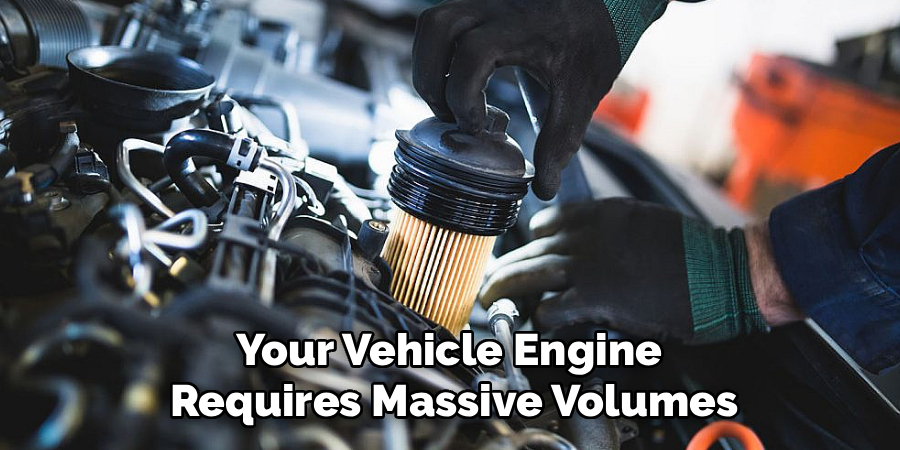
Unclip the metal retaining hinges on the plastic housing and pull the rectangular filter out into the bright sunlight. If the pleated material appears completely choked with dead leaves or thick dust, it severely restricts incoming oxygen, causing the engine to run incredibly heavy on gasoline. Installing a fresh paper filter serves as the easiest initial repair for an unbalanced engine.
Step 2: Clean the Mass Airflow Sensor
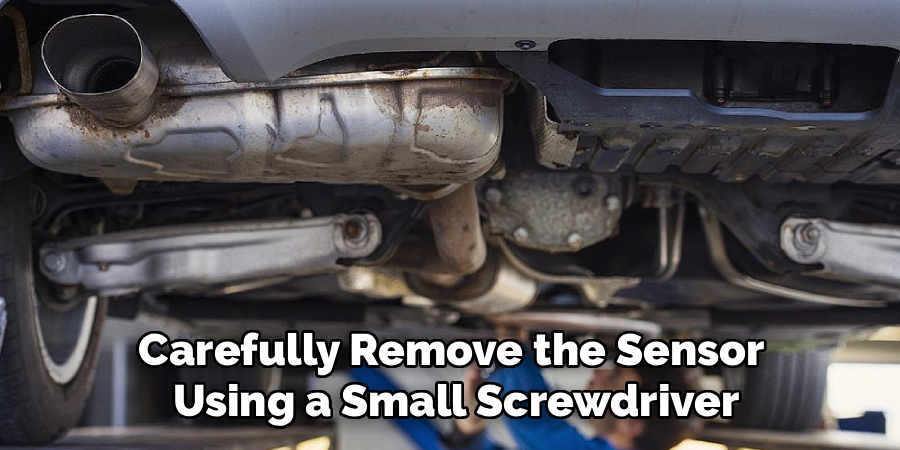
Located immediately behind your main air box sits a highly sensitive electronic component known as the mass airflow sensor. This tiny digital device constantly measures the exact volume of oxygen entering the engine block, acting much like a smart moisture meter inside your backyard greenhouse. Over several years of driving down dusty rural farm roads, microscopic dirt particles coat the delicate sensor wires. This thick dirt layer causes the automotive computer to miscalculate the oxygen volume, leading to a severely unbalanced gasoline ratio. Carefully remove the sensor using a small screwdriver and spray the delicate wires with a specialized electronic cleaning solvent.
Step 3: Check the Oxygen Sensors
Your exhaust system houses specialized oxygen sensors that constantly monitor the exact composition of the burned gases leaving the engine. These robust sensors act as the primary feedback loop for your vehicle computer, telling it exactly how much gasoline to spray into the internal cylinders. When these sensors become coated in thick black carbon soot from short trips to the local hardware store, they provide false readings to the main computer. This miscommunication forces the system to dump excessive amounts of gasoline into the combustion chamber. Replacing sluggish or failing exhaust sensors restores proper communication and balances the internal combustion ratio beautifully.
Step 4: Examine the Fuel Injectors
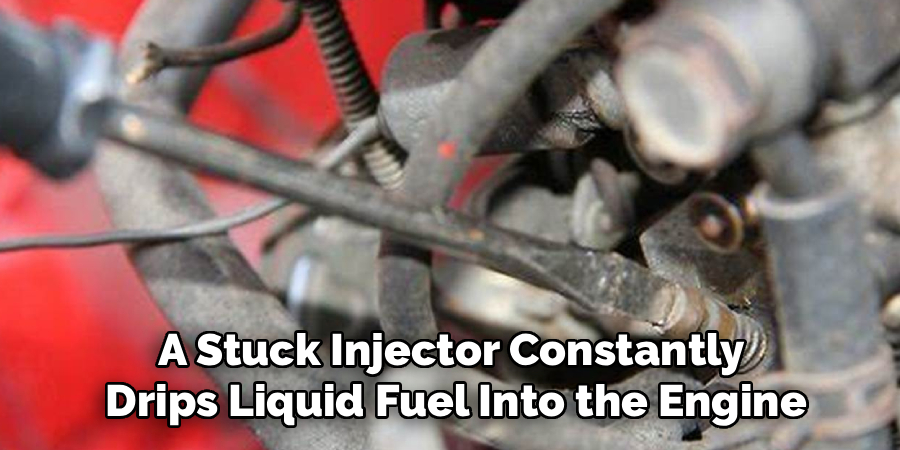
Fuel injectors operate as tiny, high-pressure spray nozzles that deliver atomized liquid gasoline directly into the engine cylinders. They function exactly like the adjustable plastic spray nozzles on your favorite garden hose. Over time, internal mechanical wear or physical debris can cause these precise valves to stick in the open position. A stuck injector constantly drips liquid fuel into the engine, completely overwhelming the available oxygen supply. Identifying a leaking injector usually requires listening closely for a steady, rhythmic clicking sound while the engine runs. Replacing a faulty, leaking nozzle stops the excessive fuel delivery and restores your smooth engine idle.
Step 5: Reviewing mixture Systematically
Taking a patient, highly systematic approach prevents you from buying completely unnecessary replacement parts for your trusted gardening truck. You must carefully eliminate the simplest potential causes before tackling the more complex mechanical repairs under the hood. Always start by verifying that your basic air intake pathways remain completely clear of heavy debris and physical obstructions. Once you confirm the engine breathes freely, you can confidently move on to diagnosing the complex electrical sensors and high-pressure liquid delivery systems. Approaching your vehicle repairs with the same methodical patience you apply to cultivating delicate spring seedlings guarantees a highly successful, stress-free mechanical outcome.
Step 6: Test the Fuel Pressure Regulator
The mechanical fuel pressure regulator acts as a vital security guard, ensuring the liquid gasoline reaches the engine at the perfect physical pressure. If the internal rubber diaphragm ruptures from extreme under-hood temperatures, it allows raw fuel to get sucked directly into the intake manifold through the vacuum line. This massive influx of unmetered gasoline instantly creates an incredibly unbalanced, sluggish engine condition that ruins your gas mileage. Pulling the small rubber vacuum hose off the metal regulator allows you to inspect for wet liquid fuel. Finding dampness inside this dry vacuum hose means you must replace the entire metallic regulator unit immediately.

Step 7: Replace the Coolant Temperature Sensor
Your engine computer heavily relies on the coolant temperature sensor to determine exactly how much gasoline to deliver during early morning cold starts. When the engine is freezing cold, it requires extra fuel to stay running smoothly, much like delicate plants need extra water during a severe heatwave. If this metallic temperature sensor fails, it might permanently tell the computer that the engine is freezing cold, even on a blistering summer afternoon. This false temperature reading causes the computer to continuously dump excessive gasoline into the cylinders. Replacing a faulty temperature sensor instantly corrects this frustrating electrical miscommunication and saves fuel.
Frequently Asked Questions
What Are The Symptoms Of An Unbalanced Engine?
When your vehicle delivers excessive gasoline into the combustion chamber, it produces several highly distinct warning signs. Recognizing these symptoms early saves your expensive catalytic converters from permanent damage.
- You will notice a sharp, overwhelming smell of unburned gasoline near the exhaust pipe.
- The tailpipe will consistently emit thick, dark black smoke when you press the accelerator.
- Your weekly fuel economy will suddenly plummet, costing you extra money at the pump.
- The engine may idle roughly or hesitate when pulling heavy trailers full of topsoil.
Can I Haul Heavy Mulch With Engine Issues?
Operating a vehicle that constantly struggles to burn fuel correctly presents a significant mechanical hazard for your expensive hauling truck.
- The excessive liquid gasoline can wash the protective lubricating oil directly off your internal cylinder walls.
- This severe lack of lubrication causes massive, irreversible metal friction damage.
- The unburned fuel also overheats and destroys your expensive exhaust emission components.
- You should address these specific mechanical warning signs immediately before attempting to haul heavy landscaping supplies through your neighborhood.
How Does Dirty Fuel Affect Vehicle Performance?
Poor quality gasoline dramatically affects how your internal combustion engine operates, especially during heavy towing situations. If you purchase fuel contaminated with heavy sediment, the delicate injectors struggle to close properly.
- Always buy fresh gasoline from high-volume, reputable neighborhood stations to avoid stale liquid.
- Consider adding a specialized fuel system cleaner to your gas tank every spring.
- Replace your inline fuel filter regularly to trap harmful rust particles before they reach the engine.
- Clean fuel ensures your truck remains reliable for all your weekend nursery trips.
Will Cleaning Sensors Void My Vehicle Warranty?
Performing basic preventative maintenance on your personal vehicle rarely voids a standard manufacturer warranty. However, you must always use the correct chemical solvents and gentle techniques.
- Never use aggressive brake cleaner or heavy degreasers on delicate electronic airflow sensors.
- Always purchase specialized, plastic-safe electronic cleaning sprays from your local auto parts store.
- Keep all your purchase receipts for filters and cleaning supplies in your truck’s glovebox.
- If your vehicle remains under a strict factory warranty, consulting your dealership first remains the safest choice.
When Should I Consult A Professional Mechanic?
While most basic airflow issues can be successfully resolved using standard household hand tools, some complex problems require professional diagnostic equipment.
- If you replace the basic filters and clean the sensors without seeing any improvement, seek professional help.
- Mechanics possess advanced digital scanners that read live electrical data directly from your vehicle computer.
- Professional technicians easily pinpoint hidden electrical shorts or severely damaged wiring harnesses.
- Getting professional assistance ensures your heavy hauling truck gets fixed correctly, keeping you safe on your future gardening adventures.
Conclusion
Maintaining the reliable utility truck you use to haul heavy gardening supplies requires the exact same patience and dedication you apply to your thriving backyard vegetable patches. By taking the time to inspect your dirty air filters, clean the sensitive electronic sensors, and check your mechanical fuel pressure, you guarantee a remarkably smooth driving experience. You no longer have to endure terrible gas mileage or thick black smoke while transporting delicate spring flowers home from the local plant nursery.
Understanding how to fix rich air fuel mixture transforms a highly stressful automotive problem into an incredibly satisfying weekend maintenance project. The noticeable improvement in your engine performance and fuel economy serves as a fantastic, deeply comforting reward for your careful physical efforts. Wash the heavy black grease off your hands, pack your sturdy gardening gloves into the clean truck bed, and drive confidently toward your next beautiful botanical adventure!

About
Ora Hayes is a distinguished figure in the world of DIY Thecarfixes, with over a decade of expertise in automotive diagnostics and high-performance maintenance. Her professional focus lies in merging mechanical precision with modern digital tools, fostering repair solutions that are both cost-effective and highly reliable. As the author of Thecarfixes, Ora Hayes delves into the art and science of automotive restoration, inspiring car owners and hobbyist mechanics alike.
Education
RMIT University (Melbourne, Australia) Associate Degree in Automotive Engineering — Focus on vehicle dynamics, industry-driven repair protocols, and advanced diagnostics. Gained hands-on experience with traditional mechanical tools and modern ECU remapping software.
Nottingham Trent University (United Kingdom) Bachelor’s in Mechanical Design and Automotive Engineering (Honors) — Specialized in automotive systems with a focus on blending technical engineering with everyday usability. Participated in industry projects, working with leading automotive manufacturers to gain real-world insights into vehicle longevity.
Publications and Impact
In Thecarfixes, Ora Hayes shares her insights on troubleshooting complex engine issues, material durability, and strategies for efficient garage setups. Her writing bridges the gap between professional mechanic knowledge and the home enthusiast’s needs, making it a must-read for both everyday drivers and seasoned gearheads.