If you’ve ever stared at the sidewall of your tire and felt your eyes glaze over, you’re not alone. Rows of letters and numbers spiral around the rubber—cryptic, easily ignored, and, for most drivers, more intimidating than they probably should be. Still, these little codes carry some weight. They’re the not-so-secret key to your car’s safety and handling. Being able to crack the code, rather than putting blind faith in a mechanic, can save you trouble down the line. Or money. Maybe both.
This guide on how to read tire size code—yes, another one, though hopefully more illuminating—was written to demystify the mess. We’ll tease apart what each symbol really means, when it actually matters, and, with luck, set your mind at ease before your next trip to the tire shop. I’d like to say you’ll breeze through, but let’s not promise too much. By the end, though, you should feel at least somewhat equipped to tackle any sidewall, no matter how cluttered.
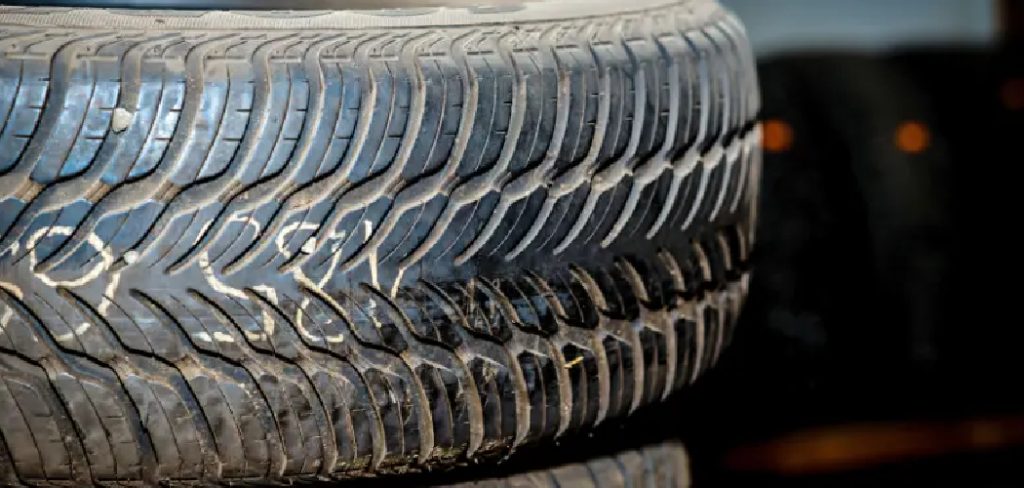
What Is a Tire Size Code?
A tire’s size code is, for lack of a better word, a system—sometimes helpful, occasionally maddening—made up of numbers and letters molded right into the sidewall. The idea was to standardize things. In practice, the system more or less works. It communicates, with varying degrees of clarity, what kind of tire you’re dealing with: how wide it is, how tall, the sort of structure inside, and what size wheel it’s supposed to fit.
You can also glean hints about the sort of abuse it can take (the load index) and how fast it can safely roll (the speed rating). Sometimes, you’ll wonder if knowing all this makes any tangible difference. The experts would argue you ought to care, at the very least, about hitting the manufacturer’s recommendations—especially if fuel economy or that pesky speedometer accuracy matters as much to you as it does to them.
Where to Find the Tire Size Code?
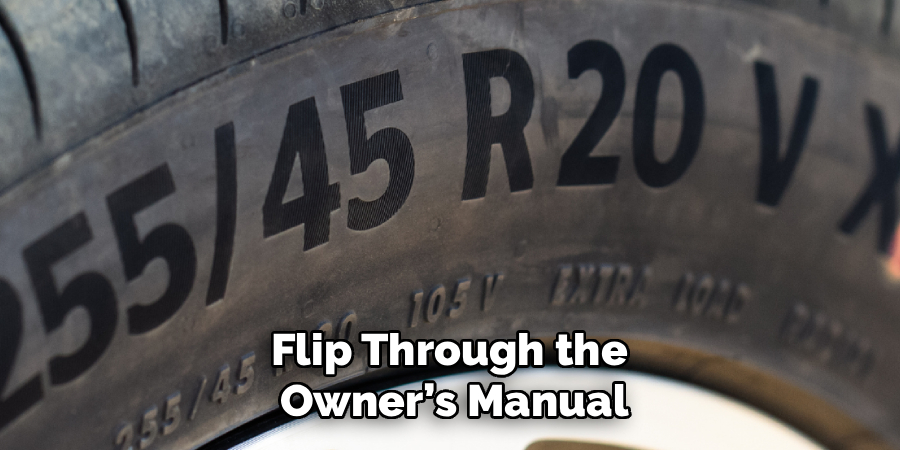
Knowing where to look is half the battle, maybe more. Your best bet is to crouch down and scan your current tires—the numbers and letters are raised and usually easier to find than, say, your odometer reset button. Typical codes look like “P215/65R15 95H,” inevitably surrounded by smaller, even less comprehensible text.
If, however, you suspect your tires aren’t the originals (maybe the last owner played fast and loose with advice), or the treads are too far gone for deciphering, shift your gaze to the documentation. Most vehicles have a tire spec sticker stuck on the driver’s door jamb; this placard, as unassuming as it appears, rarely lies. Failing that, flip through the owner’s manual or—oddly enough—peek inside the glove compartment or behind the fuel door. You might be surprised where automakers tuck such vital clues.
8 Step-by-step Guidelines on How to Read Tire Size Code
Step 1: Identify the Tire Type
Start at the beginning, literally. The first letter in the code typically flags the kind of vehicle the tire was built for. Spot a “P”? That means P-metric—tires tailored mainly for passenger cars, minivans, and small SUVs. “LT” changes everything; you’re now in the Light Truck territory, where higher load capacity and towing matter more than comfort. Occasionally, no letter appears. This isn’t a misprint—it often means you’ve found a Euro-metric tire, which tends to have subtly different load ratings, even for the same dimensions. Less common notations like “T” or “ST” refer to temporary spares or trailer tires. Suffice it to say, this first letter (or lack thereof) narrows things considerably.
Step 2: Read the Tire Width
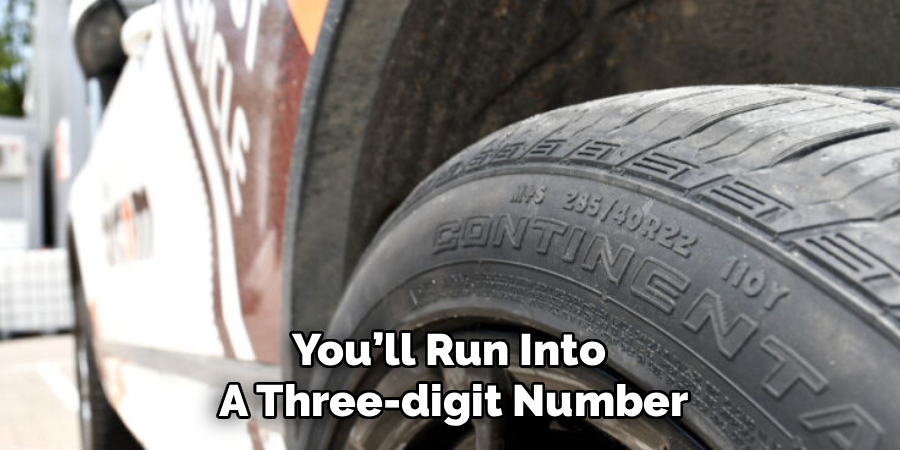
Following the opening letter, you’ll run into a three-digit number. That’s your tire’s section width—measured, for reasons best known to the international tire cabal, in millimeters from sidewall to sidewall. Take “215” for example (as in P215/65R15): this tire is 215mm wide, give or take a decimal. Wider tires tend to grip the road more assertively in dry weather; of course, this can also mean worse performance in snow or standing water since they might float over rather than push through. You do have to consider physical constraints—will an extra-wide tire scrape against your wheel well or suspension? It happens more often than you’d think.
Step 3: Understand the Aspect Ratio
After the slash comes another number—usually two digits—called the aspect ratio. Here, things get fractionally more mathematical. This figure tells you the sidewall height as a percent of the tire’s width. If your code is P215/65R15, that “65” means the sidewall measures 65% of 215mm. Opting for a lower aspect ratio—often the case for those craving sharp cornering—yields a shorter and stiffer sidewall, hence a sportier, sometimes harsher ride. Taller sidewalls, conversely, soak up potholes better. Messing with this number without considering your wheels invites odd handling (or worse) and can even throw off instruments you take for granted.
Step 4: Check the Construction Type
Now for a letter that might go unnoticed: It comes right after the aspect ratio. The overwhelming favorite these days is “R” for Radial—strands run straight across, bead to bead. This design dominates, at least in passenger vehicles, and tends to offer a forgiving ride and solid longevity. Sometimes, you’ll spot a “D,” indicating a diagonal or bias-ply tire—most common on older models or certain trucks and trailers. “B” for bias-belted is rarer still. Honestly, unless you’re restoring a classic or hauling agricultural equipment, “R” is almost certainly what you’ll see.
Step 5: Determine the Wheel Diameter
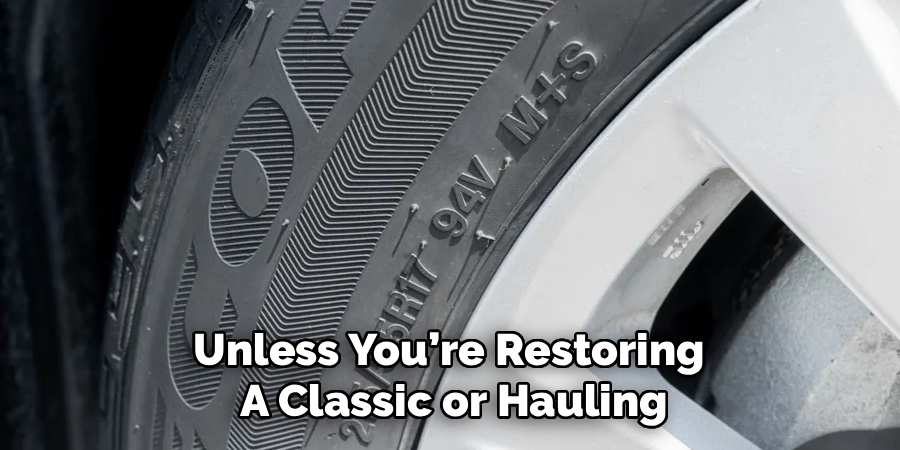
Next up? The wheel diameter, in inches. That’s the number straight after “R” (or “D” or “B”). “15” means a 15-inch wheel; no ambiguity here. The necessity of getting this right doesn’t need much debate: a 16-inch tire simply will not stretch to fit a 15-inch rim. Enthusiasts who swap out wheels for style points should shop tires with this in mind, or risk disappointment (and wasted money). Always recheck before buying on a whim or impulse.
Step 6: Locate the Load Index
Once the diameter is out of the way, you’ll see either two or three digits—the load index. Put simply, this tells you how much weight the tire is certified to carry at full inflation. A “95,” for example, translates to 1,521 pounds if you consult the industry chart. To see what your car can handle, multiply by four (for four tires). It may seem obvious, but it’s risky to put on tires with a lower load rating than specified. The consequences—especially on a full car at highway speed—can be grim.
Step 7: Identify the Speed Rating
At the tail end of the main sequence sits a letter: S, T, H, V, and so on, each signifying a ceiling for sustained speed (S = 112 mph, H = 130, and so forth). Now, most drivers aren’t barreling down the motorway at 149 mph, but a higher rating sometimes coincides with tires better able to manage heat and gripping forces even in everyday commutes. Swapping in a tire with the same or higher speed rating is a safe move; going lower is not advised, no matter your appetite for thrift.
Step 8: Look for Additional DOT Codes
Beyond the customary sequence, take note of the DOT (Department of Transportation) code etched elsewhere on the sidewall. This isn’t just for bureaucrats. The final four digits here pinpoint when the tire was manufactured—the week and year (for instance, “3421” points to week 34 of 2021). Shopping for tires that have been sitting on a shelf for years is an easy way to reduce lifespan before you’ve even left the shop. Rubber breaks down, sometimes imperceptibly. If freshness matters—and it probably should—you’ll want to read this code closely.
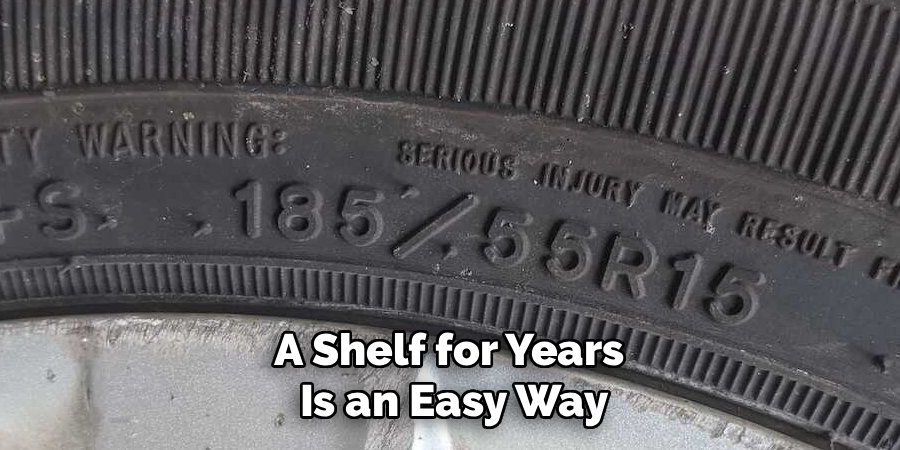
Following these steps on how to read tire size code is crucial in ensuring you get the right tires for your vehicle. It not only ensures safety but also helps save money in the long run. It’s also important to note that tire sizes may differ depending on the manufacturer, so it’s always best to consult your vehicle manual or a trusted mechanic if you’re unsure.
Common Mistakes to Avoid
Here’s where too many drivers get tripped up. Don’t assume every tire that fits the rim is actually safe. Oversights with the load index are an invitation for trouble, especially on road trips or heavy hauls. Mismatching sizes or combining different tread patterns (one up front, another in the rear) doesn’t just look odd—it messes with handling and braking.
Then there’s tire age. Popular discount bins often hide tires already past their prime, sometimes even sporting superficial cracks. It’s wise to consult that placard by your door, not just the tired argument of “it’s what I’ve always used.”
When to Upsize or Downsize Tires?
Maybe you’re tempted by the visual drama of larger wheels. Or perhaps you’re bracing for winter and eyeing something narrower. Upsizing generally involves a wider tire or larger diameter wheel—ideal on dry pavement, less ideal in a blizzard. Downsizing, often a winter tactic, improves bite in snow and can soften the ride.
However, stray too far (typically more than a three percent difference from stock size), and you risk issues with speedometer accuracy, antilock brakes, or even fender clearance. Always double-check with a real technician before you leap. Calculating aspect ratios is trickier than it sounds and messing up could lead to annoying surprises—or an expensive fix.
Frequently Asked Questions
Q1: Can I Use a Tire with a Higher Speed Rating Than Recommended?
In short, yes. If you fit a tire with a speed rating above your car’s factory spec, there’s no immediate drawback—provided all other factors match. Such tires might, on average, give you shorter stopping distances and slightly firmer steering. The downside? The ride might edge toward harshness, and faster wear isn’t unusual. Downgrades in rating, on the other hand, are risky, and most experts would simply say: don’t.
Q2: What Happens If I Install Tires with a Lower Load Index?
This move is, quite honestly, asking for trouble. Tires rated for lighter loads than your car requires may look fine sitting still, but are more likely to fail under stress. Especially at speed, or fully loaded, the heat and pressure can reach potentially catastrophic effects. Always match or exceed what the automaker prescribes.
Q3: Does the Tire Brand Matter as Long as the Size Code Matches?
Brand loyalty aside, there’s more here than marketing. Different brands can use wildly contrasting rubber formulas, treads, or construction approaches—even if the size codes align. Cheaper tires may appear to do the job until you encounter heavy rain or need to make an emergency stop. If peace of mind is worth anything to you, investing in a reputable brand seems wise, though only you know your budget.
Making Your Next Tire Purchase Simple
Reading a tire’s code won’t turn you into a pit crew chief overnight, but it can tip the balance in your favor at the shop. With a little curiosity and a willingness to peer at some symbols, you free yourself from guesswork and—possibly—the upsell.
Before you swipe your card, peek at your door jamb, confirm the recommended specs, and match your load and speed ratings. It’s a modest investment of time for some real peace of mind. Your car (and wallet) will likely thank you. Thanks for reading this guide on how to read tire size code.

About
Ora Hayes is a distinguished figure in the world of DIY Thecarfixes, with over a decade of expertise in automotive diagnostics and high-performance maintenance. Her professional focus lies in merging mechanical precision with modern digital tools, fostering repair solutions that are both cost-effective and highly reliable. As the author of Thecarfixes, Ora Hayes delves into the art and science of automotive restoration, inspiring car owners and hobbyist mechanics alike.
Education
RMIT University (Melbourne, Australia) Associate Degree in Automotive Engineering — Focus on vehicle dynamics, industry-driven repair protocols, and advanced diagnostics. Gained hands-on experience with traditional mechanical tools and modern ECU remapping software.
Nottingham Trent University (United Kingdom) Bachelor’s in Mechanical Design and Automotive Engineering (Honors) — Specialized in automotive systems with a focus on blending technical engineering with everyday usability. Participated in industry projects, working with leading automotive manufacturers to gain real-world insights into vehicle longevity.
Publications and Impact
In Thecarfixes, Ora Hayes shares her insights on troubleshooting complex engine issues, material durability, and strategies for efficient garage setups. Her writing bridges the gap between professional mechanic knowledge and the home enthusiast’s needs, making it a must-read for both everyday drivers and seasoned gearheads.