Learning how to adjust fuel air mixture on fuel injection can feel confusing at first because modern engines do not usually have a simple mixture screw like older carbureted engines. Instead, fuel-injected vehicles use an engine control unit, sensors, and fuel trim data to manage how much fuel enters the engine.
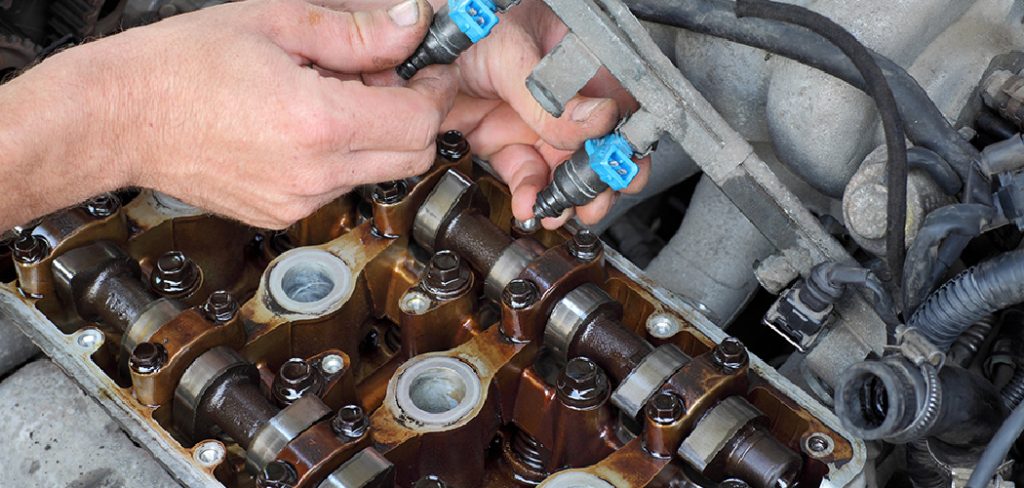
The goal is to keep the air fuel ratio balanced so combustion stays clean, smooth, and efficient. When the mixture is too rich or too lean, you may notice rough idle, poor fuel economy, hesitation, or warning lights. This beginner-friendly guide explains what you can safely check, how the system works, and when tuning or professional help may be needed.
Why Fuel Air Mixture Adjustment Matters
The fuel and air balance affects almost everything your engine does. A rich mixture means the engine is getting too much fuel or not enough air. This can waste fuel, cause black exhaust smoke, foul spark plugs, and damage the catalytic converter over time.
A lean mixture means the engine is getting too much air or not enough fuel. This can cause hesitation, misfires, higher combustion temperatures, and possible engine damage if ignored. On fuel-injected vehicles, the engine control unit constantly uses oxygen sensor data, mass airflow sensor readings, manifold pressure, and throttle body position to make small corrections. Understanding this process helps you diagnose problems instead of guessing.
Step-By-Step Guide: How To Adjust Fuel Air Mixture On Fuel Injection
Step 1: Understand System Controls Mixture
Start by understanding that the fuel injector does not work alone. The engine control unit decides how long each injector stays open based on sensor readings. It looks at airflow, engine temperature, throttle position, oxygen sensor feedback, and sometimes manifold pressure. These inputs help the ECU estimate how much fuel the engine needs at idle, cruising speed, and acceleration. On most vehicles, you are not directly turning a screw to change mixture. You are helping the system get accurate information so it can control combustion correctly.
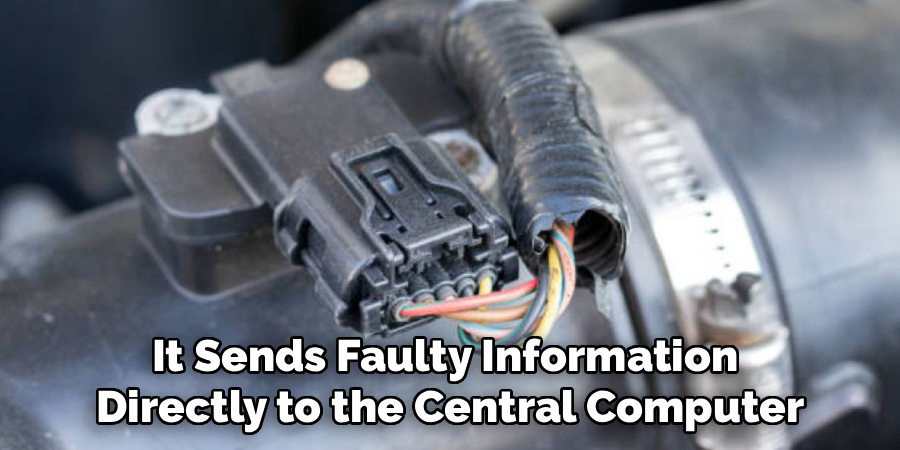
Step 2: Check For Warning Lights And Stored Trouble Codes
Before touching parts, connect a diagnostic scanner to the OBD-II port and check for stored codes. A check engine light can point you toward a lean mixture, rich mixture, oxygen sensor fault, mass airflow sensor issue, or fuel trim problem. Even if the light is off, pending codes may still be stored. Write down the codes before clearing anything. These codes do not always name the failed part, but they give you a starting point. Guessing without scanner data often leads to replacing good parts and missing the real issue.
Step 3: Read Short-Term And Long-Term Fuel Trim
Fuel trim is one of the most useful clues for beginners. Short-term fuel trim shows what the engine control unit is correcting right now. Long-term fuel trim shows what it has learned over time. If fuel trim numbers are strongly positive, the ECU may be adding fuel to correct a lean condition. If they are strongly negative, it may be removing fuel because the engine is running rich. These numbers help you see whether the mixture problem happens at idle, under load, or across all driving conditions.
Step 4: Inspect The Air Intake And Throttle Body
A dirty throttle body or leaking intake hose can confuse the fuel injection system. Inspect the air intake tube for cracks, loose clamps, or disconnected vacuum lines. Unmetered air entering after the mass airflow sensor can create a lean condition because the ECU does not know that extra air is entering the engine. Also check the throttle body for carbon buildup around the plate. Cleaning it carefully with the correct cleaner can improve idle speed, airflow, and throttle response. Always follow your vehicle’s service instructions before removing sensors or hoses.

Step 5: Test The Mass Airflow Sensor Or Manifold Pressure Sensor
Many vehicles use a mass airflow sensor to measure incoming air, while others use a manifold pressure sensor to estimate engine load. If either sensor sends incorrect data, the air fuel ratio can drift rich or lean. Use a diagnostic scanner to compare sensor readings at idle and during gentle throttle changes. A dirty mass airflow sensor may underreport airflow, causing hesitation or lean fuel trim. Clean it only with mass airflow sensor cleaner. Do not touch the sensing wire, because it is delicate and easy to damage.
Step 6: Check The Oxygen Sensors And Closed Loop Operation
The oxygen sensor helps the engine control unit fine-tune the mixture after the engine warms up. When the vehicle enters closed loop operation, the ECU uses oxygen sensor feedback to adjust injector pulse width. If the sensor is slow, contaminated, or stuck, the ECU may make poor corrections. Watch oxygen sensor activity with a scanner and confirm the system changes from open loop to closed loop. A bad sensor can mimic fuel delivery problems, but exhaust leaks, wiring issues, or engine misfires can also affect sensor readings.
Step 7: Reset the Main Computer System
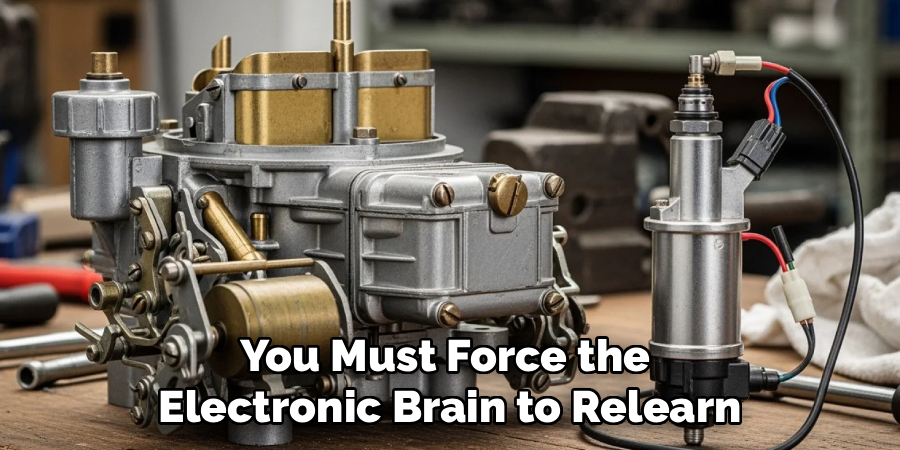
Once you finish cleaning the delicate sensors and replacing any cracked rubber hoses, you must force the electronic brain to relearn its optimal combustion parameters. You can easily reboot your entire automotive computer system by temporarily disconnecting the primary battery. Use a sturdy metal wrench to loosen the negative black battery terminal and slide the connector completely off the lead post for about fifteen minutes. Reconnect the heavy cable securely and double-check your metal clamps.
This basic resetting procedure clears out all the old, faulty data profiles. The computer will now build a fresh, highly accurate map based on your clean sensors, restoring brilliant hauling power to your reliable truck just in time for the busy planting season.
Step 8: Test Drive And Confirm The Results
After cleaning, repairing, or tuning, take the vehicle on a careful test drive. Watch idle speed, throttle response, fuel trim, oxygen sensor activity, and any returning trouble codes. The engine should start smoothly, idle steadily, and respond without hesitation. Fuel trim may need some driving time to relearn after repairs, so do not judge the result from one short idle test. If the readings improve and symptoms disappear, you likely corrected the issue. If the problem returns, review the data again and look for hidden vacuum leaks, wiring faults, or mechanical issues.
Common Signs Of Rich Or Lean Running Conditions
A rich-running engine often smells like fuel, uses more gas than normal, and may produce dark exhaust smoke. You may also notice rough idle, sluggish acceleration, carbon buildup, or fouled spark plugs. In severe cases, unburned fuel can overheat and damage the catalytic converter.
A lean-running engine may hesitate, surge, misfire, or feel weak under load. It may also run hotter than normal because lean combustion can raise cylinder temperature. Lean codes often appear when there is a vacuum leak, weak fuel pump, clogged injector, dirty airflow sensor, or exhaust leak near the oxygen sensor.
The key is to avoid assuming the mixture itself is the only problem. Fuel injection systems react to sensor data. If the data is wrong, the engine control unit may make the wrong correction. That is why diagnosis should always come before adjustment.
Frequently Asked Question
Can You Manually Adjust The Mixture On A Fuel-Injected Engine?
Most modern fuel-injected engines do not have a manual mixture screw. The engine control unit controls fuel delivery using sensors and programmed fuel maps. You can influence the mixture by fixing vacuum leaks, cleaning sensors, replacing faulty parts, or using proper tuning software. If the vehicle is stock, repair and diagnosis are usually more important than manual adjustment.
What Is A Good Air Fuel Ratio For A Gasoline Engine?
A common target for gasoline engines during light cruising is around 14.7:1, which means about 14.7 parts air to 1 part fuel. This is called the stoichiometric ratio. Under hard acceleration, many engines run richer for power and cooling. At idle and cruise, the ECU constantly adjusts based on oxygen sensor feedback, engine load, and operating temperature.
How Do I Know If My Engine Is Running Too Lean?
A lean engine may hesitate, surge, misfire, idle roughly, or show codes related to lean operation. You may also see high positive fuel trim numbers on a diagnostic scanner. Common causes include vacuum leaks, dirty mass airflow sensors, low fuel pressure, clogged injectors, or exhaust leaks. Do not ignore lean symptoms, because high combustion temperatures can harm engine parts.
Can A Dirty Throttle Body Affect Fuel Mixture?
Yes, a dirty throttle body can affect airflow and idle stability. Carbon buildup around the throttle plate may reduce or disturb airflow, especially at low speed. The ECU may try to correct the issue with fuel trim and idle control changes. Cleaning the throttle body properly can improve idle quality, but it should be done carefully to avoid damaging electronic throttle components.
Is ECU Tuning Safe For Beginners?
ECU tuning can be safe when done with the right tools, knowledge, and monitoring, but it is not the best first step for most beginners. If the vehicle has stock parts, fix mechanical or sensor problems before changing maps. Poor tuning can cause rich or lean conditions, poor fuel economy, detonation, or engine damage. For modified engines, professional tuning is often the safest choice.

Conclusion
Fuel-injected engines manage mixture through the engine control unit, fuel injectors, oxygen sensors, airflow sensors, and fuel trim corrections. For most beginners, the safest path is to scan for codes, read sensor data, inspect the intake system, clean dirty components, check fuel delivery, and only consider tuning when modifications require it.
Now that you understand how to adjust fuel air mixture on fuel injection, approach the process carefully and confidently. Use real data, make small changes, and remember that accurate diagnosis is the foundation of safe adjustment.

About
Ora Hayes is a distinguished figure in the world of DIY Thecarfixes, with over a decade of expertise in automotive diagnostics and high-performance maintenance. Her professional focus lies in merging mechanical precision with modern digital tools, fostering repair solutions that are both cost-effective and highly reliable. As the author of Thecarfixes, Ora Hayes delves into the art and science of automotive restoration, inspiring car owners and hobbyist mechanics alike.
Education
RMIT University (Melbourne, Australia) Associate Degree in Automotive Engineering — Focus on vehicle dynamics, industry-driven repair protocols, and advanced diagnostics. Gained hands-on experience with traditional mechanical tools and modern ECU remapping software.
Nottingham Trent University (United Kingdom) Bachelor’s in Mechanical Design and Automotive Engineering (Honors) — Specialized in automotive systems with a focus on blending technical engineering with everyday usability. Participated in industry projects, working with leading automotive manufacturers to gain real-world insights into vehicle longevity.
Publications and Impact
In Thecarfixes, Ora Hayes shares her insights on troubleshooting complex engine issues, material durability, and strategies for efficient garage setups. Her writing bridges the gap between professional mechanic knowledge and the home enthusiast’s needs, making it a must-read for both everyday drivers and seasoned gearheads.