

Engine performance relies on a delicate balance of air, fuel, and precise timing. When this harmony falters, the resulting mechanical behavior often feels erratic and unpredictable. Drivers might experience sudden power loss on the highway. Such terrifying moments rarely stem from a catastrophic internal engine failure.
Instead, a tiny plastic potentiometer bolted to the intake manifold usually bears the blame. Knowing exactly how to tell if throttle position sensor is bad could save you from unnecessary, expensive trips to the dealership. This specific component dictates how the vehicle translates your foot pedal input into physical acceleration.
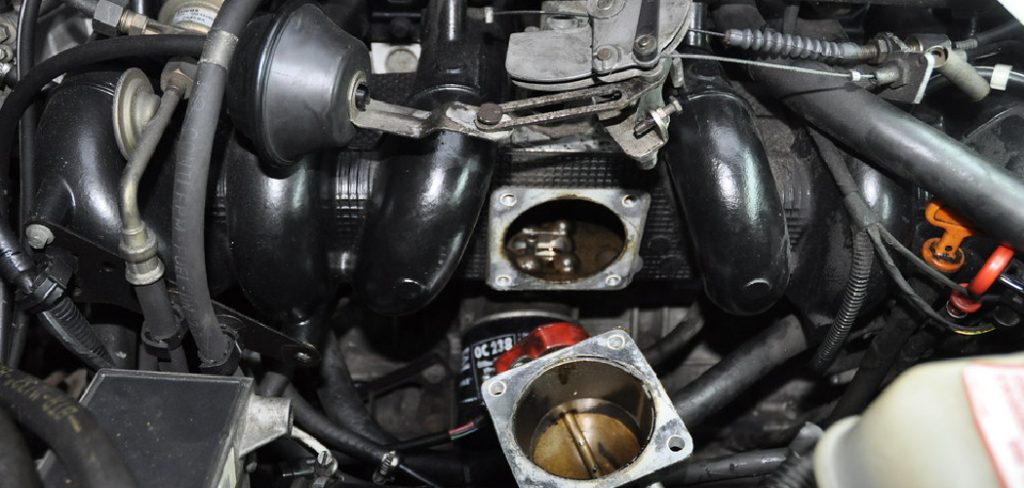
We will explore the underlying physics of this electronic module and analyze its failure patterns. Recognizing the subtle warning signs early prevents severe drivability issues. Our diagnostic guide covers visual inspections, diagnostic code reading, and advanced multimeter testing to isolate the exact electrical fault.
Understanding The Electronic Brain Behind Acceleration
Modern vehicles completely abandon the simple mechanical cables of the past. They rely on complex electrical networks to manage basic physical functions. The throttle position sensor acts as a primary translator in this digital ecosystem.
It reads the exact physical angle of the throttle blade inside the aluminum barrel. That mechanical movement is then converted into a measurable voltage signal. The central engine computer requires this continuous data stream to calculate real-time demands.
How The Module Communicates With The Computer
The internal architecture of the unit consists of a simple variable resistor. As you press the gas pedal, a metal sweeper arm moves across a carbon track. This physical friction alters the electrical resistance within the closed circuit.
Low voltage typically indicates a closed butterfly valve during idle conditions. Pressing the pedal flat against the floorboard sends a maximum voltage reading back to the powertrain control module. The computer uses these precise voltage variations to map your desired acceleration curve.
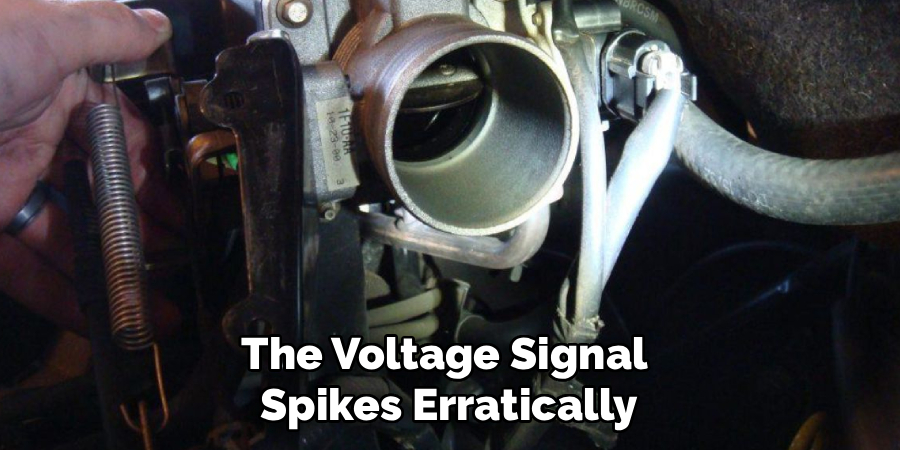
If the carbon track wears out, the voltage signal spikes erratically. This broken communication line leaves the engine computer entirely blind. It can no longer determine how much air is actually entering the intake manifold.
The Mechanics Of Air And Fuel Ratios
Internal combustion requires a highly specific mixture of oxygen and gasoline. The ratio must adapt instantly to changes in engine load and atmospheric pressure. The throttle module provides the primary baseline metric for these complex mathematical equations.
It acts as the initial trigger for the entire fuel delivery network. When you depress the pedal, a massive volume of air rushes past the intake valves. The physical airflow happens much faster than the manifold pressure sensors can react alone.
When the computer detects the butterfly valve opening, it commands the fuel injectors to pulse faster. Flooding the cylinders with extra fuel compensates for the sudden rush of atmospheric air. This immediate response prevents the engine from running dangerously lean during heavy acceleration.
A faulty sensor sends delayed or wildly inaccurate angle readings. The computer might inject too much fuel when the valve is actually closed. Such a mathematical error appears to indicate why failing units cause such violent drivability symptoms.

Key Symptoms: How To Tell If Throttle Position Sensor Is Bad
Mechanical failures rarely occur without projecting distinct physical warning signs. Your vehicle attempts to communicate its distress through altered operational behavior. Observing these changes carefully helps isolate the failing component.
A dying potentiometer produces a very specific set of performance issues. The symptoms often worsen as the internal carbon track continues to degrade over time. Identifying these patterns represents the first step in your diagnostic journey.
Erratic Idling And Unpredictable Surging
A healthy engine maintains a steady, rhythmic RPM when stopped at a traffic light. The needle on your tachometer should rest completely motionless. If that needle bounces violently between different engine speeds, you face a distinct airflow miscalculation.
The computer receives a false signal suggesting the throttle is slightly open. It reacts by injecting more fuel and raising the idle speed. Milliseconds later, the electrical glitch passes, and the computer pulls the fuel away rapidly.
This continuous cycle of overcorrection causes the engine to surge forward against the brakes. It creates a terrifying sensation for the driver waiting in heavy traffic. The vehicle acts as though an invisible foot is randomly tapping the accelerator pedal.
Sudden Engine Stalling And Hesitation
Perhaps the most dangerous symptom involves a complete loss of forward momentum. You might press the gas pedal to merge onto a busy highway, only to feel the engine bog down. The vehicle hesitates severely instead of picking up the expected speed.
This terrifying dead zone occurs because the sweeper arm inside the module hits a worn patch on the resistor track. The voltage drops to zero instantly. The engine computer believes you completely lifted your foot off the pedal, so it cuts the fuel supply immediately.
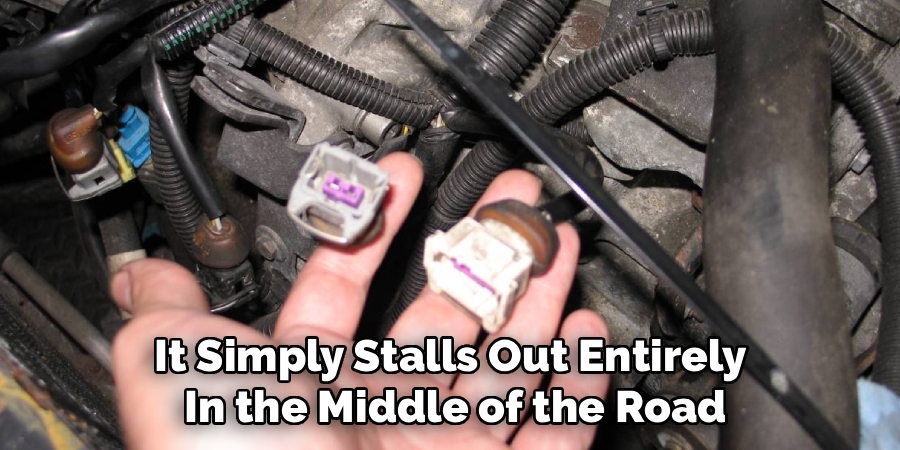
Sometimes the engine cannot recover from this sudden fuel starvation. It simply stalls out entirely in the middle of the road. Losing power steering and hydraulic braking during a stall presents a profound physical hazard to the driver.
Poor Fuel Economy And Sluggish Acceleration
Subtle degradation of the electrical track might not cause violent stalling immediately. It frequently manifests as a slow, creeping decline in overall vehicle efficiency. You might notice the car struggling to climb steep hills that it previously handled with ease.
The computer compensates for the erratic signals by defaulting to a richer fuel mixture. It dumps excess gasoline into the combustion chamber to prevent a lean misfire condition. This defensive algorithmic strategy heavily penalizes your fuel economy.
Drivers usually find themselves visiting the gas station much more frequently. The exhaust might even smell heavily of unburned sulfur. Monitoring your average mileage could provide an early warning before the drivability issues become severe.
Diagnostic Tools And Preliminary Checks
Guessing at electrical faults typically results in wasted money on unnecessary parts. You must approach the problem with analytical patience and objective testing equipment. Gathering empirical data separates a professional diagnosis from amateur speculation.
Modern automobiles store vast amounts of historical performance data within their memory banks. Accessing this information requires specialized digital tools. You can also learn a significant amount simply by looking closely at the physical hardware.
Utilizing An OBD-II Scanner For Trouble Codes
Your initial investigative step should always involve reading the engine control module. Connect a high-quality OBD-II diagnostic scanner to the port located beneath the steering column. Turn the ignition key to the accessory position to power up the network.
Command the scanner to pull any stored trouble codes from the computer’s memory. A failing potentiometer frequently triggers specific alphanumeric alerts, such as P0122 or P0123. These codes directly translate to low or high voltage inputs from the throttle circuit.
Seeing one of these specific codes confirms that the computer recognizes the electrical anomaly. It does not automatically guarantee the sensor itself is shattered. The wiring leading to the unit could also be the hidden culprit.
Visual Inspection Of The Wiring Harness
Environmental factors constantly assault the delicate wiring inside an engine bay. Extreme thermal radiation, dripping oil, and vibrating metal brackets eventually destroy plastic insulation. You must inspect the physical pathway carrying the voltage signals.
Follow the wires extending backward from the plastic sensor housing. Look closely for rubbed patches where the bare copper wire might touch a grounded metal bracket. A short to ground instantly kills the data stream.
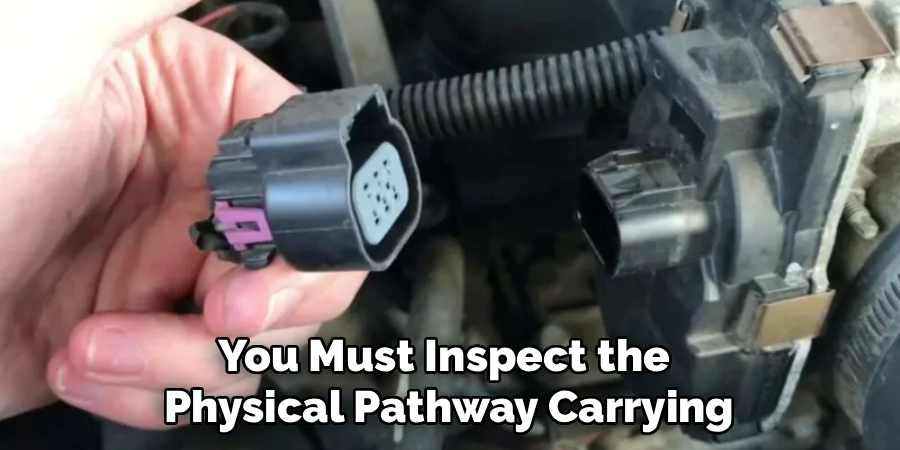
Disconnect the plastic plug from the sensor body and examine the internal metal pins. Green oxidation or heavy oil intrusion will ruin electrical conductivity entirely. Cleaning these pins with a dedicated contact solvent might resolve your entire drivability problem in minutes.
Testing The Electrical Signals With A Multimeter
Confirming a hardware failure requires tapping directly into the live electrical circuit. A digital multimeter serves as the absolute best tool for this highly specific job. It allows you to watch the voltage changes occur in real time.
Multimeters measure the exact electrical potential flowing through the copper strands. This objective numerical data strips away any diagnostic guesswork. You must ensure your tool has fresh batteries to prevent skewed voltage readings.
You will need to use back-probing needles to access the wiring without breaking the weather seals. Piercing the wire insulation directly invites future moisture damage and severe corrosion. Proceed with extreme caution to protect the fragile automotive harness.
Probing The Five-Volt Reference Signal
The sensor cannot return a voltage reading if it never receives power in the first place. You must verify that the engine computer is sending the baseline electrical supply. Turn the ignition to the “On” position while keeping the engine completely off.
Locate the power wire on the sensor harness using your vehicle’s factory wiring diagram. Insert your back-probe into the rear of the connector until it touches the metal terminal. Touch the red multimeter lead to this probe, and ground the black lead to the battery.
The multimeter screen should display a steady reading of exactly five volts. If the screen reads zero, the sensor is completely starved of power. You must trace the wiring backward to find the broken connection or the damaged engine computer module.
Checking For Smooth Signal Sweeps
Once you confirm the baseline power supply, you must test the actual signal wire returning to the computer. Move your back-probe into the signal terminal slot. Leave the ignition powered on, but keep the engine silent.
Watch the multimeter display closely while you slowly push the gas pedal down by hand. The resting voltage should sit around half a volt. As the throttle blade opens, the numbers should climb steadily and smoothly up to roughly 4.5 volts at maximum throttle.
Analog multimeters with a sweeping needle occasionally work better for this specific test. The physical needle highlights tiny voltage dropouts much faster than a digital screen can update its numbers. A microscopic crack in the carbon track might only register for a fraction of a second.
Pay intense attention to any sudden drops or spikes in the numerical readout. If the voltage jumps randomly from two volts down to zero, the internal carbon track is physically broken. This erratic sweep definitively proves the sensor requires immediate replacement.
Differentiating TPS Issues From Other Mechanical Faults
Automotive diagnostics often involve overlapping symptoms across different systems. Several different engine components can produce the same erratic idling or sudden stalling behaviors. Assuming the throttle module is guilty without ruling out alternative causes may suggest a flawed analytical methodology.
The powertrain control module relies on a consensus of data from multiple sources. When one sensor contradicts the others, the computer struggles to maintain operational harmony. It defaults to pre-programmed safety maps that heavily limit engine performance.
You must evaluate the entire intake system holistically. The engine relies on multiple sensors to breathe correctly. Isolating the specific point of failure prevents you from throwing expensive parts at a misdiagnosed problem.
Vacuum Leaks And Mass Airflow Sensors
Unmetered air entering the engine entirely bypasses the measurement systems. A cracked rubber vacuum hose allows excess oxygen to flood the intake manifold. This creates a severe lean condition that the computer attempts to fight aggressively.
The resulting high idle and surging RPMs look nearly identical to a failing throttle module. You should spray a localized burst of carburetor cleaner around the intake gaskets while the engine idles. If the engine speed changes suddenly, you have found a hidden vacuum leak.
Similarly, a dirty mass airflow sensor miscalculates the volume of incoming oxygen. It sends flawed data to the computer, resulting in severe hesitation and stalling under load. Cleaning the delicate hot wires inside this specific sensor often restores perfect drivability.
Dirty Throttle Body Butterflies
Carbon buildup naturally occurs inside the intake tract over thousands of miles. Thick, oily sludge coats the aluminum walls of the throttle body. This heavy buildup physically wedges the butterfly valve slightly open or forces it to stick against the housing.
A sticking valve disrupts the smooth mechanical operation of the pedal. The sensor accurately reports this jerky, erratic movement to the computer. The resulting drivability issues stem from physical carbon sludge rather than an electrical failure.
Removing the intake hose and scrubbing the aluminum barrel with a soft brush removes this physical obstruction. You should always clean the mechanical throttle body thoroughly before condemning the electronic sensor attached to the side of it. A clean barrel often cures a fluctuating idle entirely.
Conclusion
Navigating the complex digital networks of a modern engine bay demands patience and objective reasoning. Ignoring an erratic idle or a random highway stall places your physical safety in immediate jeopardy. The electronic systems managing your acceleration require precise, uninterrupted data to function correctly.
Recognizing the subtle behavioral changes in your vehicle provides an excellent early warning system. You can easily track the declining fuel economy and the rhythmic surging at traffic lights. Knowing exactly how to tell if throttle position sensor is bad empowers you to tackle the diagnostic process directly.
We explored the fundamental physics behind the variable resistor and the necessity of a stable reference voltage. By utilizing an OBD-II scanner and a digital multimeter, you can isolate the exact electrical fault hiding beneath your hood. Replacing a dead module restores the reliable acceleration your engine was designed to deliver.

About
Ora Hayes is a distinguished figure in the world of DIY Thecarfixes, with over a decade of expertise in automotive diagnostics and high-performance maintenance. Her professional focus lies in merging mechanical precision with modern digital tools, fostering repair solutions that are both cost-effective and highly reliable. As the author of Thecarfixes, Ora Hayes delves into the art and science of automotive restoration, inspiring car owners and hobbyist mechanics alike.
Education
RMIT University (Melbourne, Australia) Associate Degree in Automotive Engineering — Focus on vehicle dynamics, industry-driven repair protocols, and advanced diagnostics. Gained hands-on experience with traditional mechanical tools and modern ECU remapping software.
Nottingham Trent University (United Kingdom) Bachelor’s in Mechanical Design and Automotive Engineering (Honors) — Specialized in automotive systems with a focus on blending technical engineering with everyday usability. Participated in industry projects, working with leading automotive manufacturers to gain real-world insights into vehicle longevity.
Publications and Impact
In Thecarfixes, Ora Hayes shares her insights on troubleshooting complex engine issues, material durability, and strategies for efficient garage setups. Her writing bridges the gap between professional mechanic knowledge and the home enthusiast’s needs, making it a must-read for both everyday drivers and seasoned gearheads.




1 thought on “How To Tell If Throttle Position Sensor Is Bad”